The Justice Department told a federal judge that President Trump’s Jan. 6 Ellipse speech contained at least a partial official purpose, arguing it culminated in proposals to reform election rules and could fall within presidential duties. DOJ attorney Brett Shumate urged the court to allow the United States to be substituted as defendant for some civil claims. Plaintiffs say the remarks and subsequent actions were intended to keep Trump in office and oppose substitution, while lawyers debate how appellate and Supreme Court immunity rulings apply.
DOJ Says Trump’s Jan. 6 Ellipse Speech Included Call For Election Reforms; Seeks Government Substitution In Civil Suits

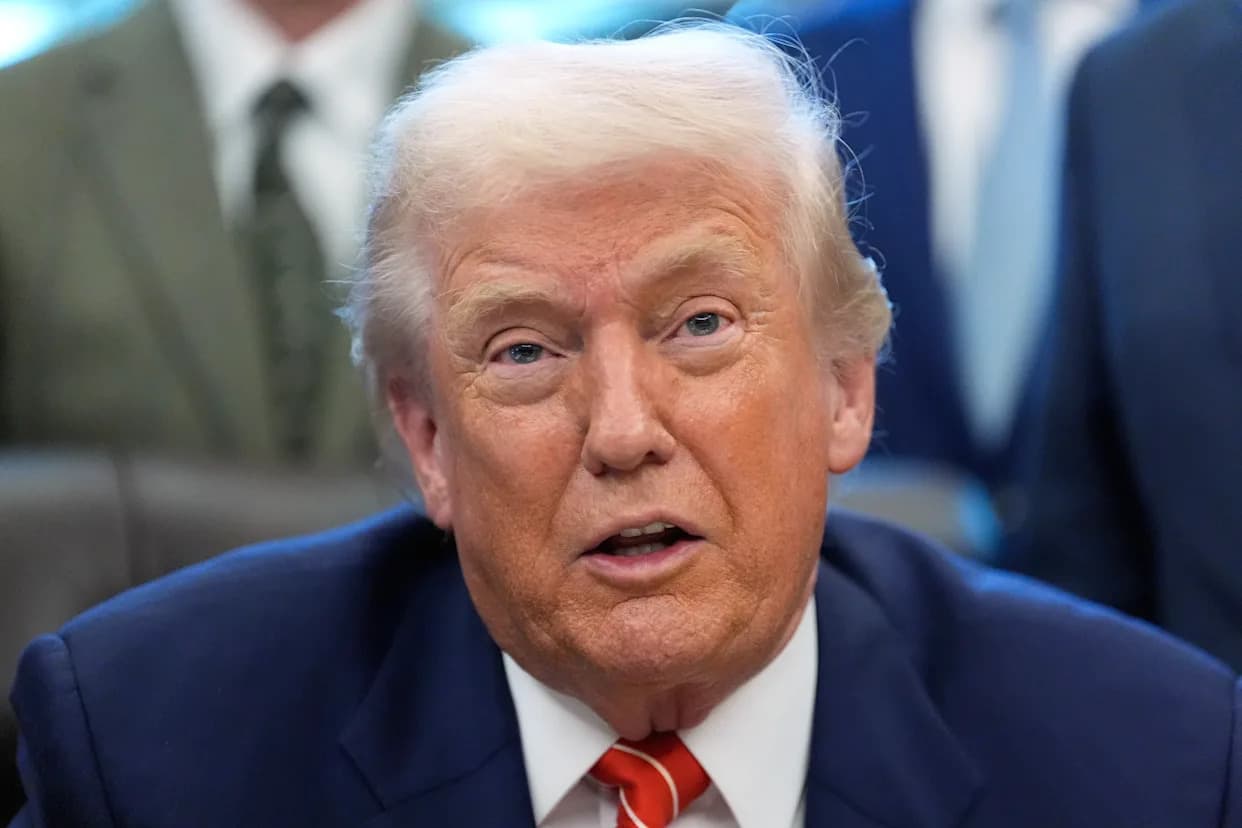
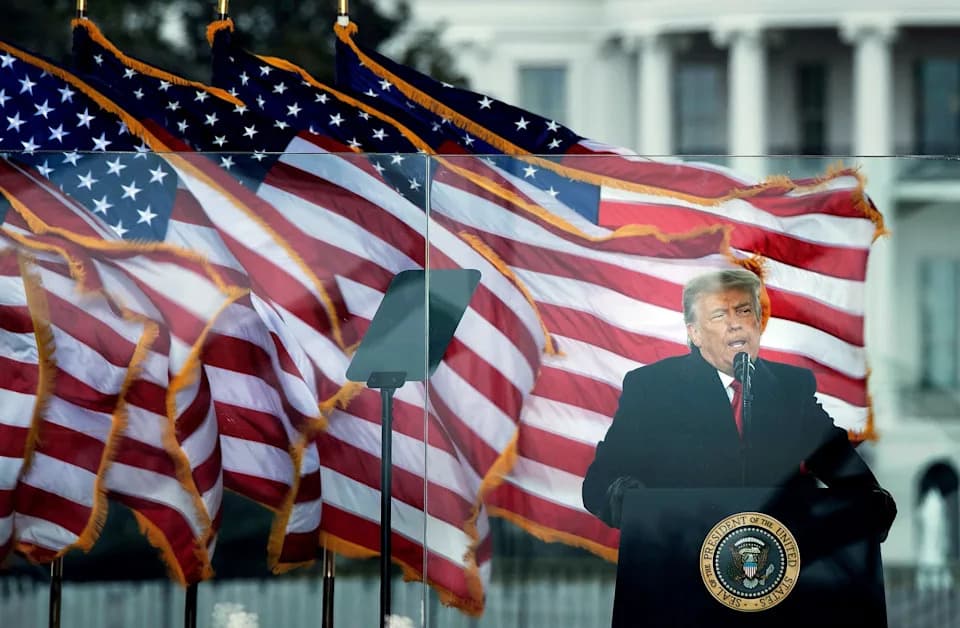
President Donald Trump speaks to supporters from The Ellipse near the White House on January 6, 2021, before thousands of his supporters attacked the US Captiol. - Mandel Ngan/AFP/Getty Images/File
The Justice Department told a federal court that President Donald Trump’s Jan. 6, 2021, speech at the Ellipse had at least a partial official purpose and culminated in proposals to reform election rules, a senior DOJ attorney argued on Friday. The department is asking the court to allow the United States to be substituted as the defendant for certain claims in civil lawsuits brought by Democratic members of Congress and law enforcement officers.
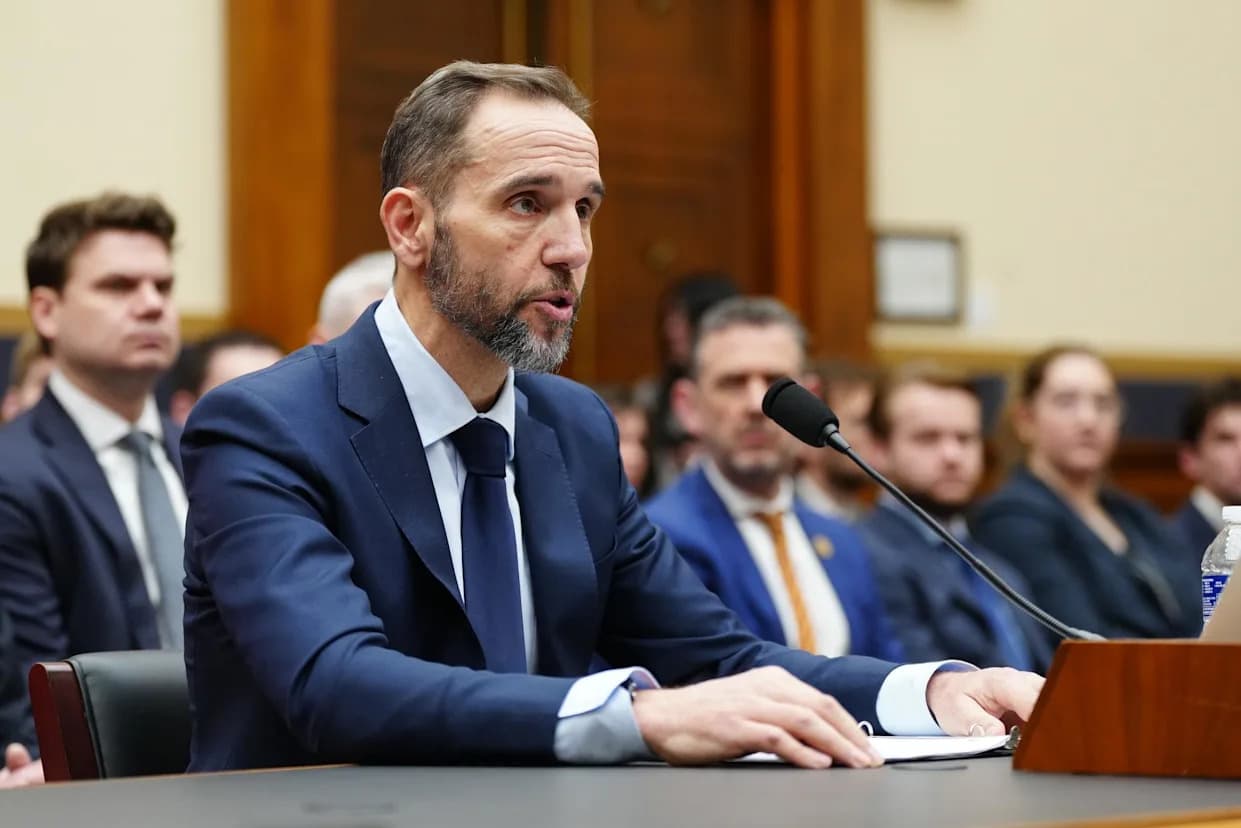
Brett Shumate, who leads the DOJ’s Civil Division, told Judge Amit Mehta that the speech was intended as communication to both the public and to Congress about perceived election irregularities and therefore may fall within the scope of presidential duties. He argued that if there is even a "scintilla" of evidence that the speech had a dual purpose advancing U.S. interests, that minimal showing should permit the government to replace Trump as the defendant for those allegations tied to official functions.
The proposed substitution would make the federal government — rather than Trump personally — the defendant for claims under District of Columbia law that the department says arose out of official employment. Shumate framed the remarks about election reforms as the "culmination" of the Ellipse speech and urged the court to view them in context.
Plaintiffs counter that the substitution doctrine does not apply because the conduct at issue was aimed at keeping Trump in office, not fulfilling the duties of the presidency. Ed Caspar, representing the congressional and law-enforcement plaintiffs, called references to election reform "throwaway comments" and pointed to the former president’s later conduct as evidence the speech served personal political aims. Caspar highlighted Trump’s delayed statement urging the rioters to go home — in which the president called them "special" people "whom we love" — saying those actions cannot reasonably be seen as serving the United States.
Shumate conceded the remarks also served political ends but urged that a small showing of an official purpose would suffice to allow substitution.
The hearing also revisited appellate and Supreme Court guidance on presidential immunity. In 2022, Judge Mehta found Trump could be held liable, and the D.C. Circuit affirmed that decision while instructing the trial court to distinguish acts taken as an officeholder from those taken as an office-seeker. The appeals court’s framework directs the judge to examine context and purpose when categorizing allegations.
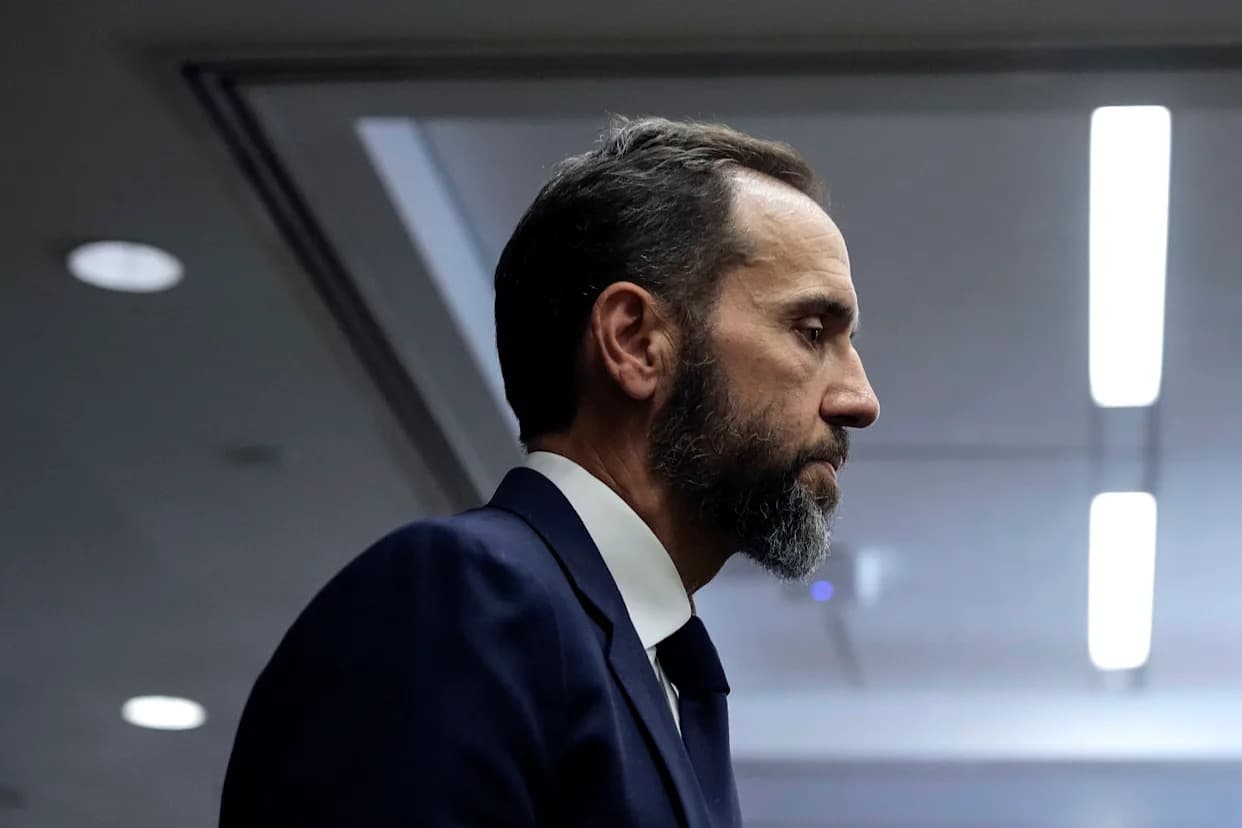
Since then, the Supreme Court issued a sweeping 2024 ruling on presidential immunity in the criminal election-subversion case brought by then–Special Counsel Jack Smith. That criminal case was later closed after Trump’s 2024 reelection; Atlanta prosecutors also dropped a related matter. Trump’s private attorney, Josh Halpern, urged Mehta to read the Ellipse remarks themselves and argued that the Supreme Court’s decision has undermined aspects of the D.C. Circuit’s civil-opinion framework. Halpern emphasized that presidents need broad immunity to govern "boldly" without constant fear of litigation.
Plaintiffs’ counsel Joseph Sellers urged the court to follow the D.C. Circuit’s framework, arguing the Supreme Court’s later criminal immunity ruling did not displace the appellate guidance that the trial court must apply in this civil litigation.
The Justice Department’s move to protect Trump in the civil suits contrasts with past DOJ actions: federal prosecutors once treated the former president’s Jan. 6 conduct as potentially criminal and not shielded by immunity. The department also faced internal controversy after two DOJ attorneys were placed on leave over language in a sentencing memo that originally described the attack as a "mob of rioters," language which was later removed when the memo was refiled.
With the criminal prosecutions closed or dropped after the 2024 election, the civil litigation in Judge Mehta’s court remains one of the primary avenues for litigating allegations that Trump encouraged the crowd that attacked the Capitol. The hearing continues as the parties and the judge work through how appellate and Supreme Court rulings apply to the evidence and claims before the court.
Help us improve.