
Drone incursions over U.S. prisons have surged, with federal incidents rising from 23 in 2018 to 479 in 2024. States face legal limits—because the FAA treats drones as aircraft, they generally cannot shoot them down or jam signals—so detection and seizure remain primary tools. South Carolina has deployed a statewide alert-and-response system after reporting hundreds of incursions, and officials warn that larger, faster drones now carry heavier contraband, including hundreds of grams of fentanyl. The FCC is reviewing whether to permit targeted jamming to block illegal inmate communications that help coordinate smuggling.
U.S. Prisons Face Surge In Drone Smuggling As Federal Rules Limit State Responses

Within seconds of being alerted to a drone incursion, a drone response team scrambles to the location of a payload drop.
Detection systems and prison reports show a sharp rise in unmanned aircraft used to smuggle contraband into U.S. prisons, while federal rules limit how states can respond. Officials warn smuggling operations have grown faster, heavier and more sophisticated, complicating efforts to stop repeated nightly drops.
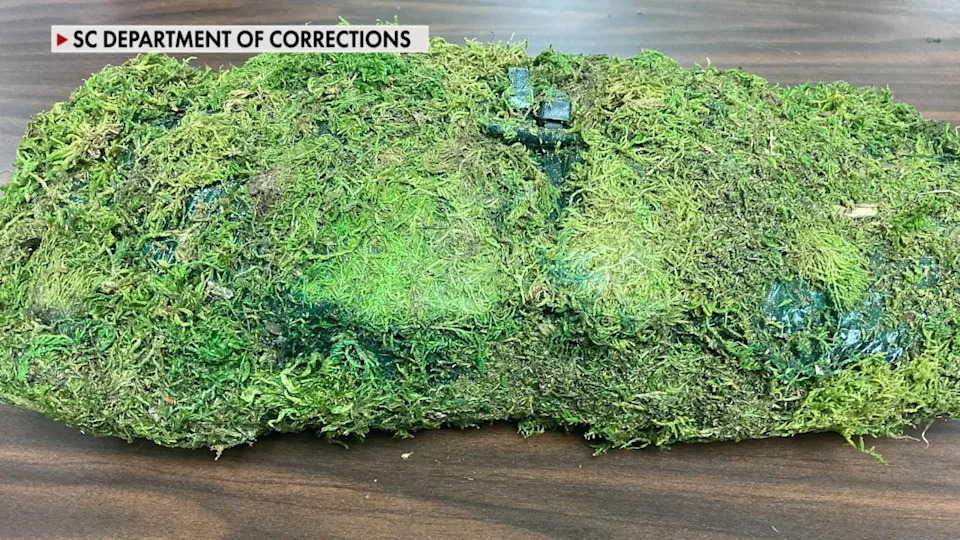
A drone payload wrapped in grass in South Carolina.
Rising Incursions and Evolving Tactics
Federal Bureau of Prisons data indicate drone incidents skyrocketed from 23 in 2018 to 479 in 2024. State corrections officials report similar trends. South Carolina, which has invested heavily in detection, recorded 262 incursions in 2022 compared with 69 in 2019, according to Joel Anderson, director of the South Carolina Department of Corrections.
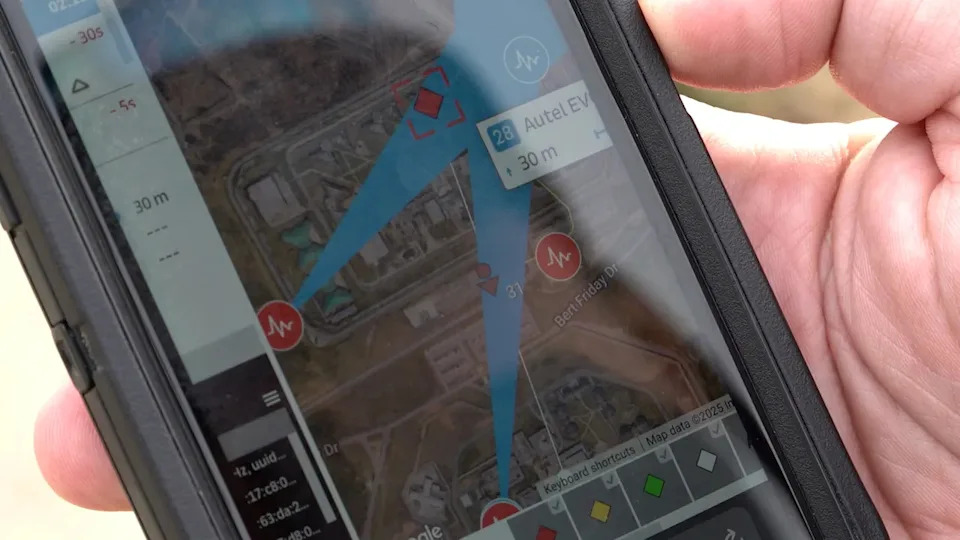
The South Carolina Department of Corrections uses a system that alerts specific prison staff when a drone flies over a prison.
From Small Toys To Heavy-Lift Aircraft
"We get assaulted nightly," Anderson said, describing how early smuggling drones carried about four pounds and reached roughly 45 mph. Today, operators deploy heavy-lift models capable of carrying up to 25-pound duffel bags at speeds above 75 mph, making multiple back-and-forth drops during a single night.
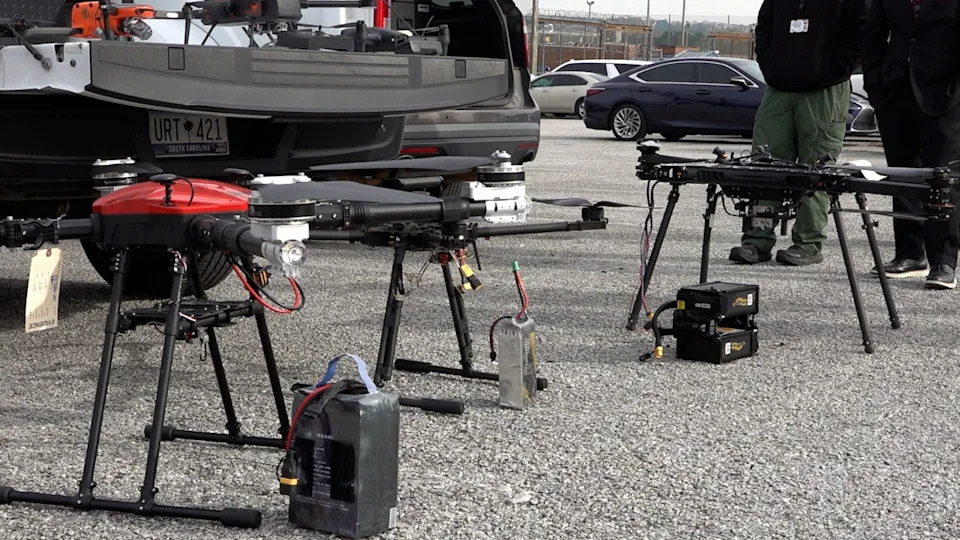
The South Carolina Department of Corrections drone team confiscates disabled drones before pulling their in-flight data.
Camouflage and Insider Help
Many pilots are former inmates or accomplices with inside contacts. Inmates often coordinate drops using illegal cell phones smuggled into facilities. Smugglers conceal payloads with duct tape and grass or other camouflage to make packages hard to spot from a distance.
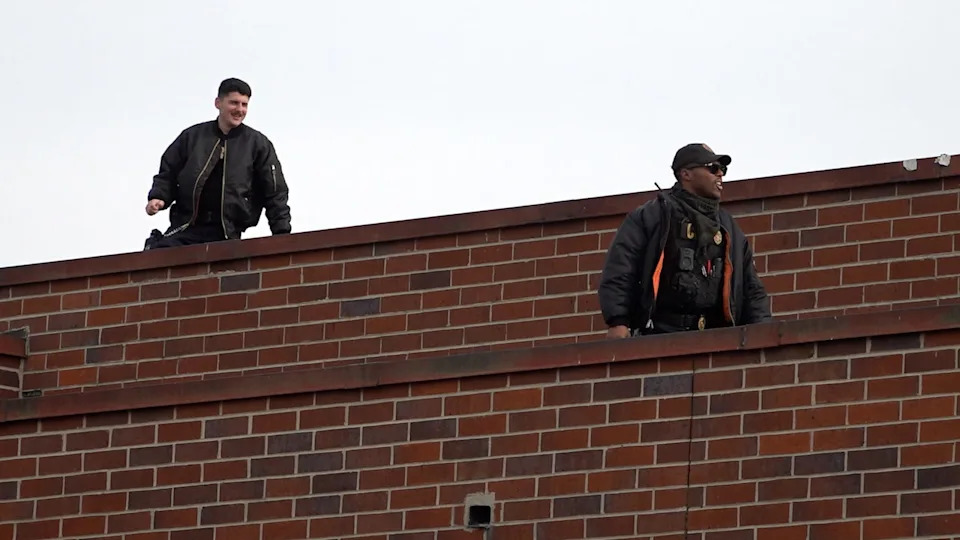
The Federal Aviation Administration prohibits states from taking down drones because they are considered registered aircraft. State prisons can only detect and confiscate drones and their payload.
Detection, Recovery And Investigations
South Carolina has implemented a statewide drone-detection system for medium and maximum-security prisons. When a drone is detected, selected staff receive cellphone alerts and a dedicated response team is dispatched within seconds. Recovered drones often provide flight logs and images that can reveal prior routes and, in some cases, the operator's location.
"We had one fly and take a picture of his mailbox, and that led us right to him," Anderson said.
Recovered flight data has enabled arrests in multiple cases, but in most incidents the drone disappears within minutes unless it crashes or the response team follows it to the operator.
Legal Limits And Safety Concerns
Because the Federal Aviation Administration treats drones as registered aircraft, states are generally prohibited from shooting them down or jamming their radio links. That leaves detection and seizure as the primary lawful options at the state level. Officials also warn that disabling a drone can be dangerous: some deliveries include potent illegal drugs such as fentanyl. Anderson said one recovered bag contained 464 grams of fentanyl, a quantity he described as potentially lethal to many people.
The Federal Communications Commission is considering whether to allow limited radio-jamming tools to block illegal inmate communications, which advocates say would reduce coordination between pilots and inmates. Critics caution that jamming raises legal and technical challenges, and public-safety risks must be carefully weighed.
Frontline Strain
Corrections leaders praise staff who run detection and response operations but say those teams would be better used supervising living areas than repeatedly chasing drone drops. Officials urge a mix of technology, enforcement, policy changes and efforts to remove illicit cellphones from prisons to stem the problem.


