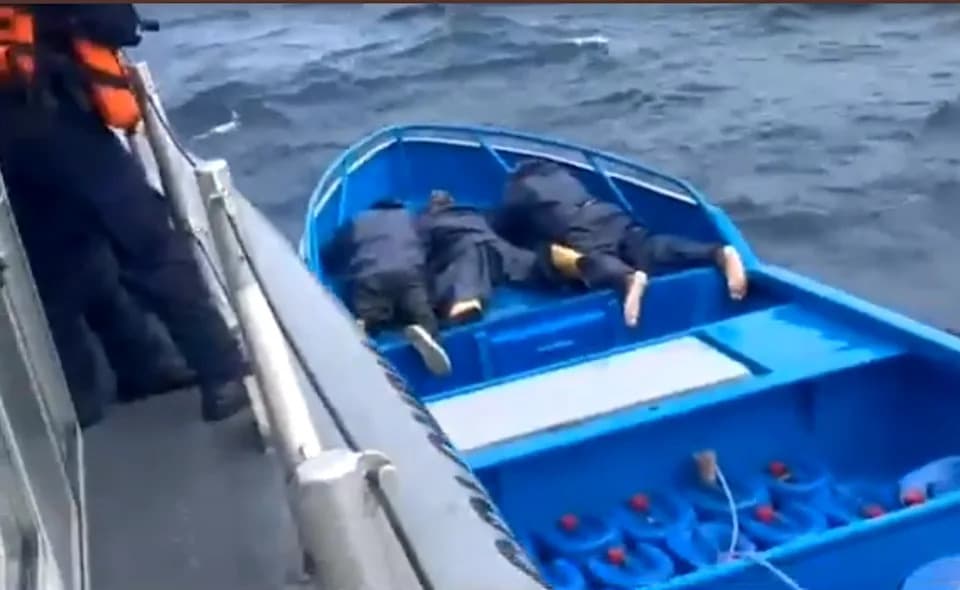
Video shows a HITRON helicopter marksman disabling the engines of a suspected drug-running go-fast boat during an Operation Pacific Viper interdiction. The cutter Munro recovered more than 20,000 pounds of cocaine in the single mission — roughly 7.5 million potentially lethal doses. Operation Pacific Viper, a Coast Guard–Navy initiative launched in August, had intercepted about 100,000 pounds by October, and the Coast Guard reported nearly 510,000 pounds seized in fiscal 2025. The strikes and interdictions have prompted legal and congressional debate over the use of force.
Coast Guard HITRON Sniper Disables Narco-Boat Engines During Major Cocaine Bust

Coast Guard Helicopter Marksman Disables Go-Fast Boat in Exclusive Footage
Newly released video shared with Fox News Digital shows U.S. Coast Guard personnel, including a marksman from the Helicopter Interdiction Tactical Squadron (HITRON), firing to disable the engines of a suspected drug-running "go-fast" boat during a large maritime interdiction.
The operation, conducted in the Eastern Pacific south of Mexico as part of Operation Pacific Viper, saw the national security cutter Munro seize more than 20,000 pounds of cocaine — the largest single-vessel haul involving a go-fast boat reported by a national security cutter. The Coast Guard estimates the seizure represents more than 7.5 million potentially lethal doses.
How the Interdiction Worked
HITRON crews, based in Jacksonville, Florida, routinely use precision disabling fire from helicopters to target outboard engines on fast smuggling boats. The tactic is designed to stop vessels from fleeing and to enable surface units to board, secure suspects and recover contraband safely.
Operation Pacific Viper, launched in August as a joint Coast Guard–Navy effort, aims to disrupt maritime narcotics trafficking bound for the United States. By October, the operation had intercepted roughly 100,000 pounds of cocaine in the eastern Pacific, an average the service cited as about 1,600 pounds per day while the mission was active.
Bigger Picture: Annual Seizures and Policy Response
Separately, the Coast Guard reported in November that it seized nearly 510,000 pounds of cocaine in fiscal year 2025 — the highest annual total in the service’s history. The agency estimated that haul to be the equivalent of about 193 million potentially lethal doses and noted it is more than three times the service’s typical annual average of approximately 167,000 pounds.
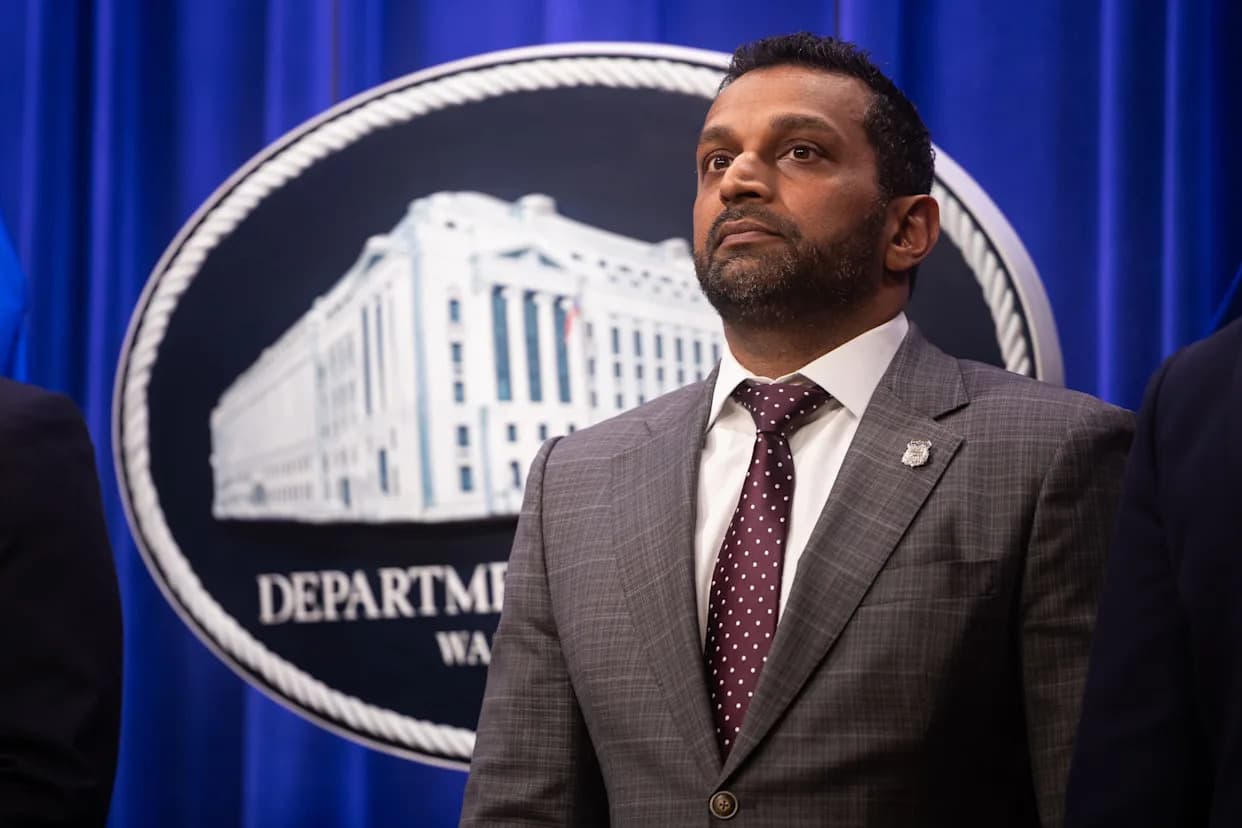
"We've only just begun striking narco-boats and putting narco-terrorists at the bottom of the ocean because they've been poisoning the American people," said Pete Hegseth, who has publicly supported the strikes.
In February, the administration designated several cartel groups, including Tren de Aragua and the Sinaloa cartel, as foreign terrorist organizations. Officials have also acknowledged conducting at least 22 strikes against suspected drug vessels in Latin American waters since September, actions that have generated legal and congressional scrutiny.
Political and Legal Pushback
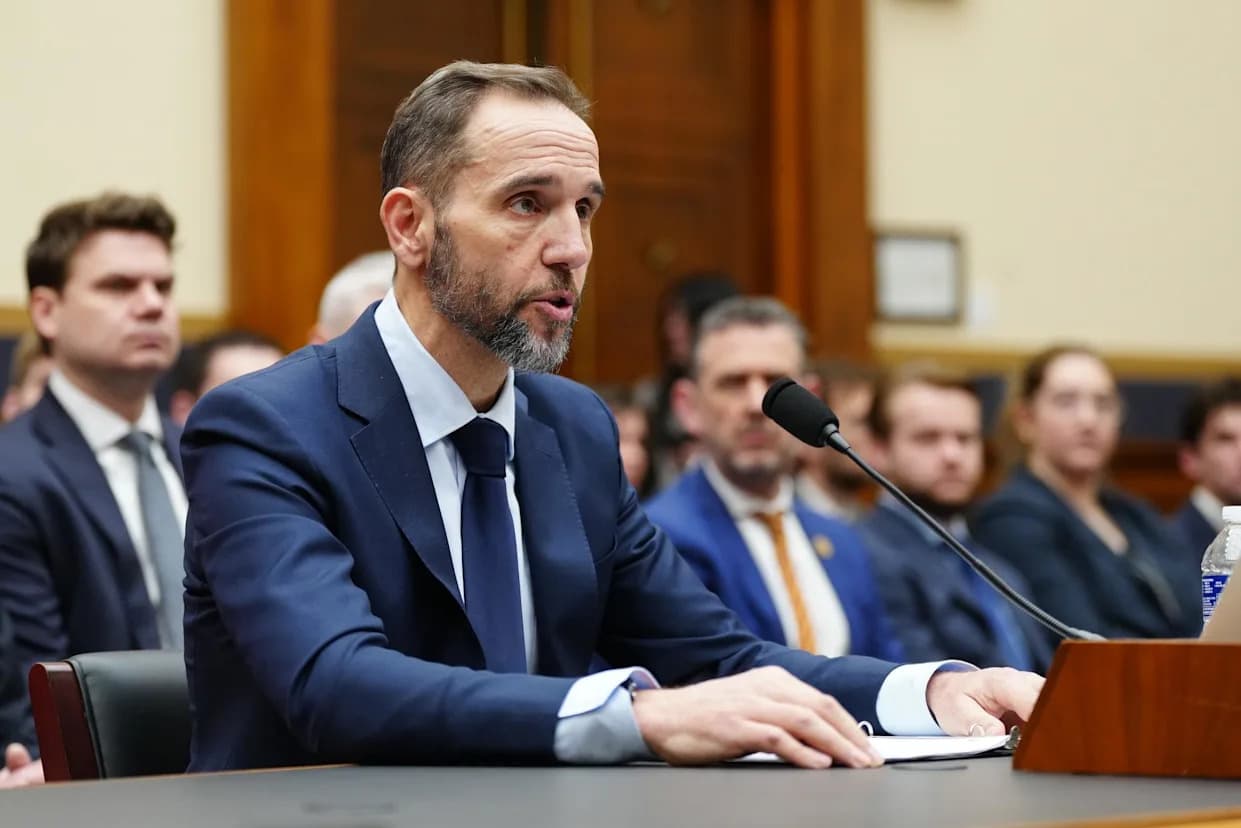
Some lawmakers have questioned the legal authority for strikes on vessels in international or foreign waters, and a war-powers resolution was introduced by Senate Minority Leader Chuck Schumer and Senators Tim Kaine, Adam Schiff and Rand Paul seeking to limit the executive branch's use of force in or against Venezuela. Administration officials have defended the operations as necessary to stem the flow of lethal narcotics.
This episode highlights both the tactical methods used by maritime interdiction forces and the broader policy debate over the use of military force and interdiction operations against transnational drug trafficking networks.
Help us improve.