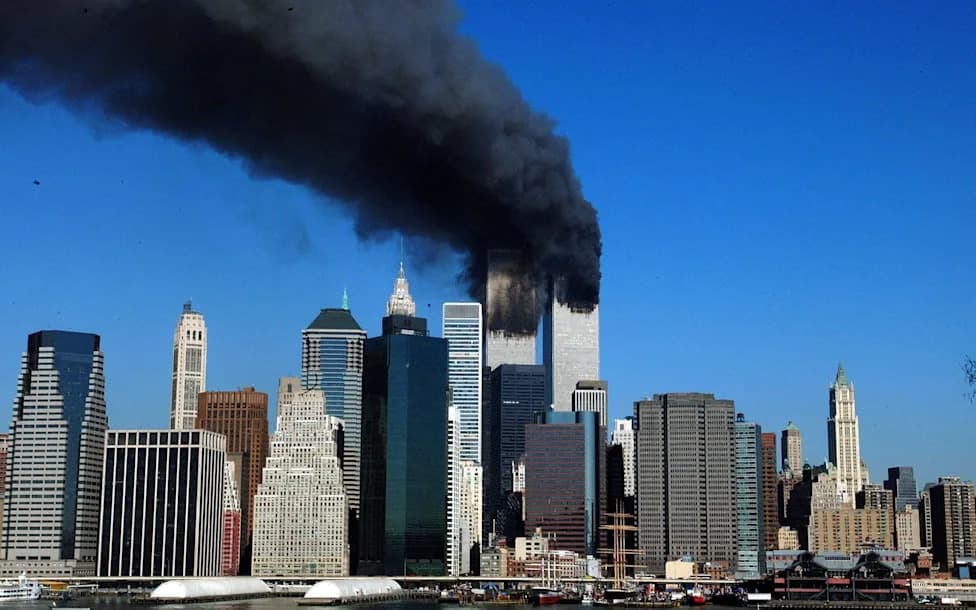
The Bondi Beach attack has prompted experts to warn that ISIS and allied jihadist networks remain active and adaptable despite losing territorial control. Analysts point to a U.N. estimate of roughly 2,000 ISIS fighters in Afghanistan and say the Israel–Hamas war has accelerated online and offline radicalization. Intelligence and academic sources argue attackers are often embedded in broader extremist ecosystems, making the term “lone wolf” misleading. Authorities call for sustained vigilance, better intelligence sharing and community‑level prevention.
Bondi Beach Attack Signals ISIS Resurgence, Experts Warn of Expanding Global Jihadist Networks

People gather around a tribute for shooting victims outside the Bondi Pavilion at Sydney's Bondi Beach, Monday, Dec. 15, 2025, a day after the shooting.
The deadly Bondi Beach attack in Australia has renewed warnings from counterterrorism experts and intelligence officials that Islamist extremist networks — including ISIS and al‑Qaeda affiliates — remain active and are evolving their methods. Analysts say the incident is consistent with a broader pattern of online radicalization, local recruitment and transnational linkages that continue to pose a threat across Europe, North America, Australia and beyond.
Persistent Threat Despite Territorial Losses
Bill Roggio, a senior fellow at the Foundation for Defense of Democracies and managing editor of The Long War Journal, argued the attack exposed a recurring miscalculation in Western capitals: declaring groups defeated because they no longer hold territory does not mean they are dismantled.
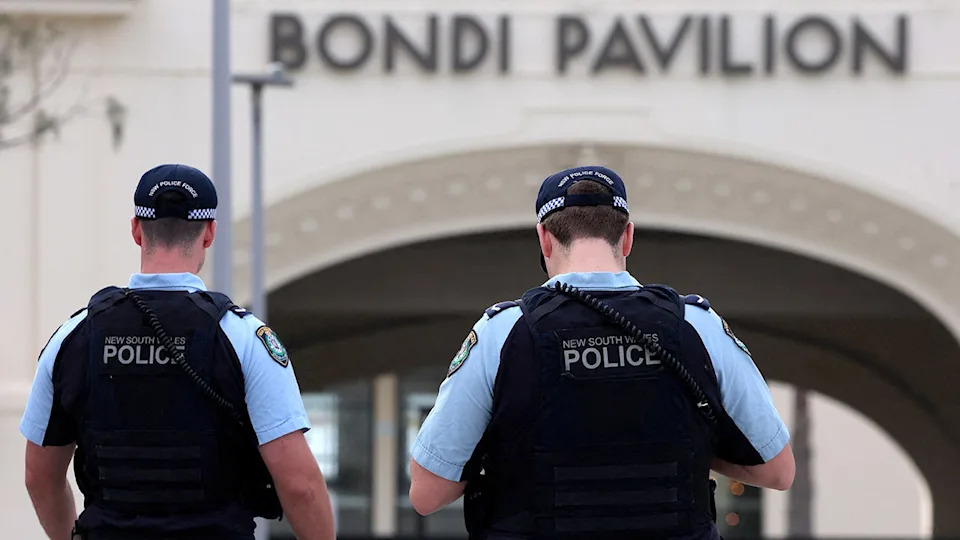
Police inspect at the scene of a shooting at Bondi Beach in Sydney on December 15, 2025.
“We’ve always been quick to declare terrorist organizations defeated and insignificant, and that couldn’t be further from the truth,” Roggio told Fox News Digital. “This attack in Australia is absolute proof that the Islamic State hasn’t been defeated. These groups are still able to recruit and indoctrinate people. They still have safe havens.”
Roggio pointed to a recent U.N. assessment that estimates roughly 2,000 ISIS fighters remain in Afghanistan, underscoring that deprived territorial control does not eliminate organizational capacity.
Conflict, Propaganda and Accelerating Radicalization
Analysts say the Israel–Hamas war following the Oct. 7, 2023 attack — which killed more than 1,200 people in Israel — has accelerated radicalization in some communities and been used by extremist actors as a rallying point for attacks, particularly against Jewish communities and Israeli targets worldwide.
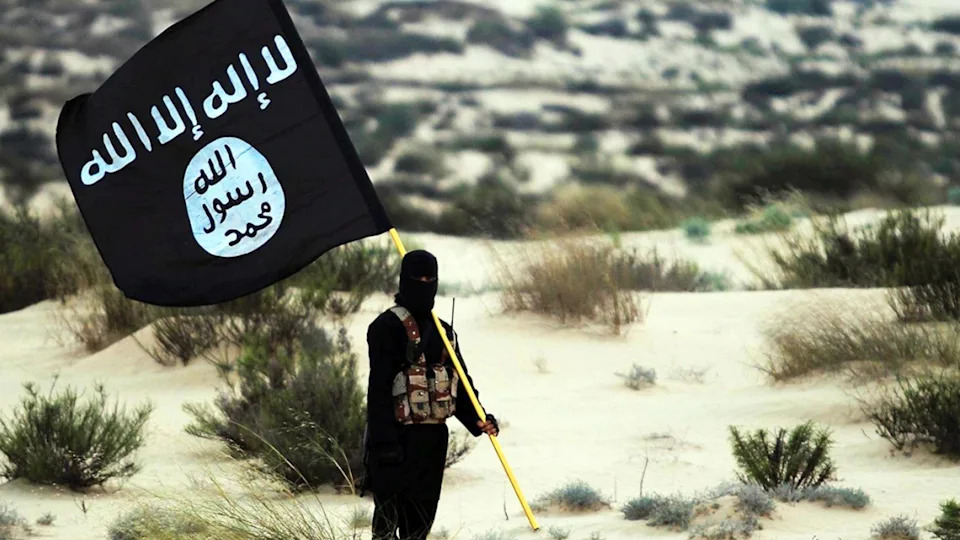
A masked Islamic State terrorist poses holding the ISIS flag in 2015.
“With Israel’s war against Hamas, it’s given new life for people to attack Jews worldwide,” Roggio said. “It’s a further reason to radicalize.”
Intelligence officials and academic experts note that extremist groups are merging digital incitement with on‑the‑ground networks, using social media and encrypted platforms to inspire lone attackers while also cultivating local support structures.
Local Links and the Myth of the ‘Lone Wolf’
Corri Zoli, a research associate at Syracuse University’s Forensic and National Security Sciences Institute, highlighted that Australian authorities had been aware of the attacker’s family and that the son had been monitored for signs of extremism since 2019. Zoli cited alleged ties to imam Wissam Haddad of the Al Madina Dawah Centre and to Isaac El Matari, who has claimed links to ISIS and is currently serving time for insurgency and firearms offenses.
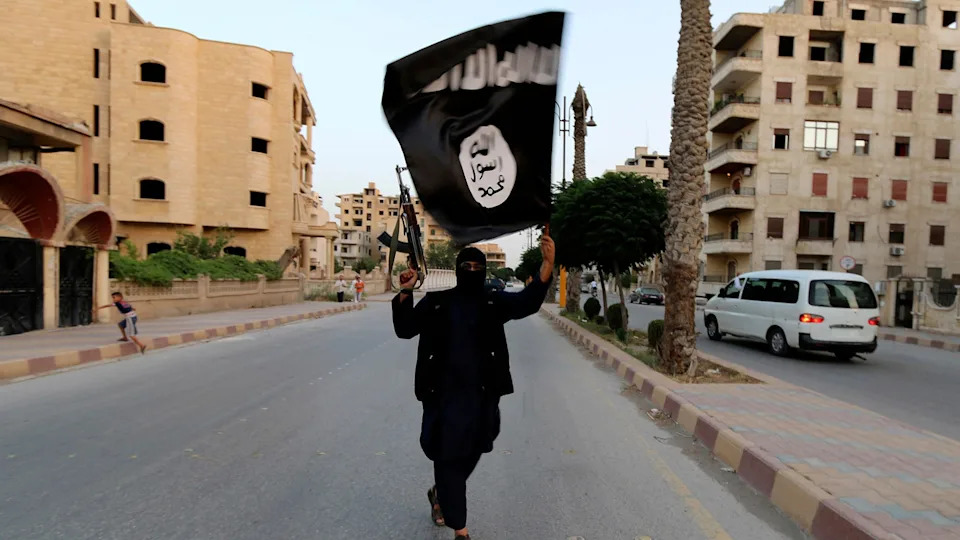
ISIS has long waged a recruitment and propaganda war online.
“I disagree with that whole ‘lone wolf’ terminology,” Roggio said, arguing attackers frequently draw on broader extremist ecosystems for ideology, guidance and validation even when they act without direct operational direction.
Experts at West Point’s Combating Terrorism Center and other institutions warn that jihadist networks are probing for openings in liberal democracies, exploiting political and social fissures to radicalize individuals far from traditional battlefields.
Broader Concerns and Varied Perspectives
A senior intelligence source summarised the threat evolution bluntly: “Today is ISIS, tomorrow is Iran.” Other commentators, such as former White House official Morgan Murphy, pointed to migration and vetting policies as a factor in domestic vulnerability, a view that highlights how security debates often intersect with political arguments about migration and integration.
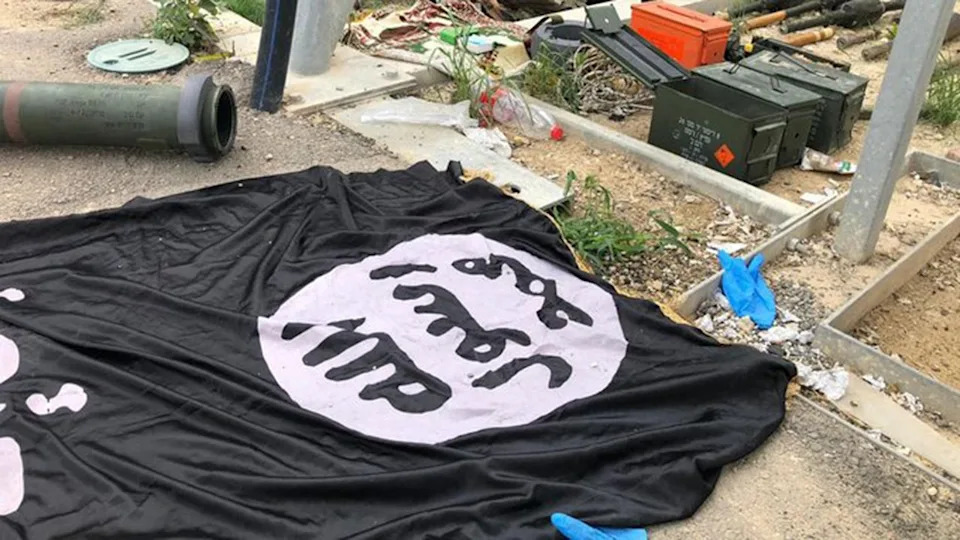
A photo provided by the Israeli Defense Forces (IDF), showing an ISIS flag among the belongings of a Hamas terrorist.
What This Means
Authorities and experts emphasize that the threat is multifaceted: it involves remaining foreign fighters, decentralized networks, online propaganda, and local social connections. The Bondi Beach attack is being treated by analysts as a reminder that counterterrorism efforts must adapt to a landscape where extremist groups operate without territorial caliphates but retain the ability to inspire and sometimes direct violence across borders.
The incident has prompted renewed calls for continued vigilance, improved intelligence sharing, targeted disruption of recruitment networks, and community engagement to prevent radicalization.
Help us improve.