
Eric Adams entered City Hall with national ambitions and a bold crime-focused recovery plan, helping guide New York’s rebound from the worst of the pandemic. His term, however, was overshadowed by a federal corruption probe, multiple staff scandals and plunging approval ratings. After the Justice Department dismissed the case under a new administration, perceptions of his closeness to President Trump worsened his standing, and he abandoned a re-election bid.
How Eric Adams Went From ‘Future of the Democratic Party’ to Political Isolation

FILE - New York City Mayor Eric Adams talks to the press in front of the Basilica of Our Lady of Guadalupe, Oct. 4, 2023, in Mexico City. (AP Photo/Eduardo Verdugo, File)(ASSOCIATED PRESS)
Four years ago, New York City Mayor Eric Adams strode into office with blunt confidence, promising a city government unlike any before it and dubbing himself the “future of the Democratic Party.” At 65, he delivered on some of those ambitions — reshaping City Hall and pursuing a high-profile, crime-focused recovery agenda — but his tenure closed amid scandal, staff turmoil and plunging public support.
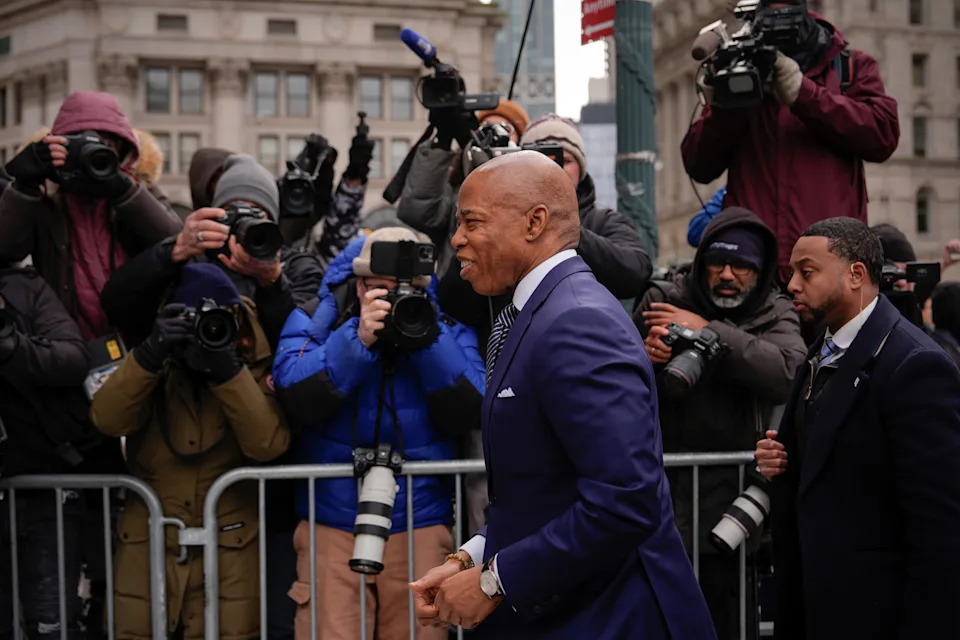
FILE - New York City Mayor Eric Adams arrives to court, Feb. 19, 2025, in New York. (AP Photo/Julia Demaree Nikhinson, File)(ASSOCIATED PRESS)
A High-Profile Start
A former police captain, Brooklyn borough president and state senator, Adams took office in January 2022 as the city wrestled with a COVID surge, rising violent crime and economic strain. He increased police patrols, reinstated a controversial anti-crime unit and appointed the NYPD’s first female police commissioner. Adams frequently framed the city’s rebound as tied to his own life story — a comeback from working-class Queens — and promoted a self-styled “radically practical” agenda focused on cutting crime and reviving the economy.
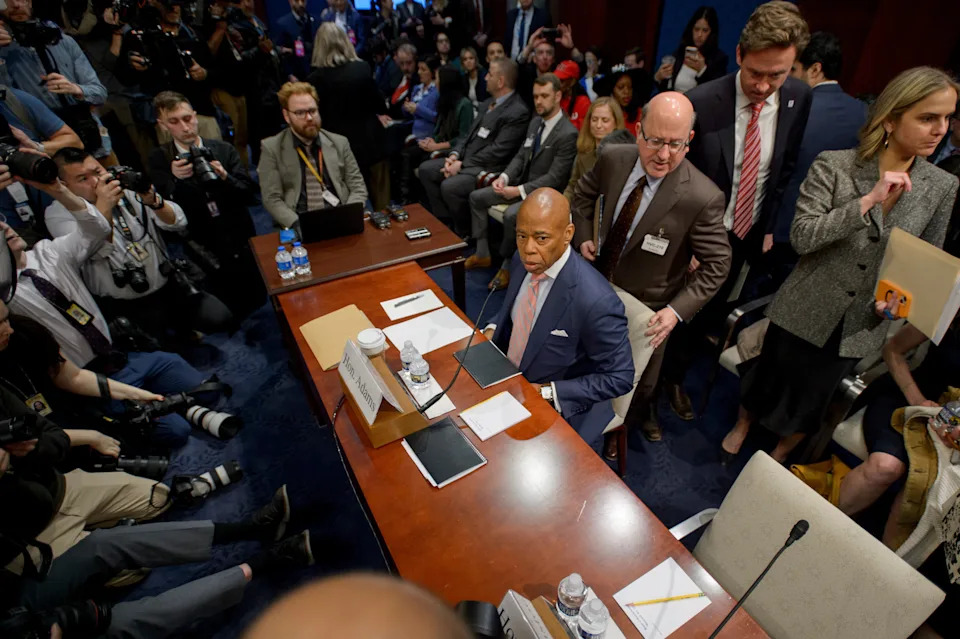
FILE - New York City Mayor Eric Adams takes his seat at the witness table during a House Committee on Oversight and Government Reform hearing with Sanctuary City Mayors on Capitol Hill, March 5, 2025, in Washington. (AP Photo/Rod Lamkey, Jr., File)(ASSOCIATED PRESS)
Swagger Versus Seriousness
Adams cultivated an image of swagger to coax New Yorkers back into public life, often appearing at private clubs and upscale restaurants to “test the product” and encourage nightlife to return. That showmanship initially drew attention, but it also invited scrutiny. Critics and some supporters said New Yorkers wanted steadier, more visible governance rather than nightlife spectacle. Questions arose about who paid for his meals, club access and travel, and observers noted tensions between his charismatic style and the seriousness voters expected.
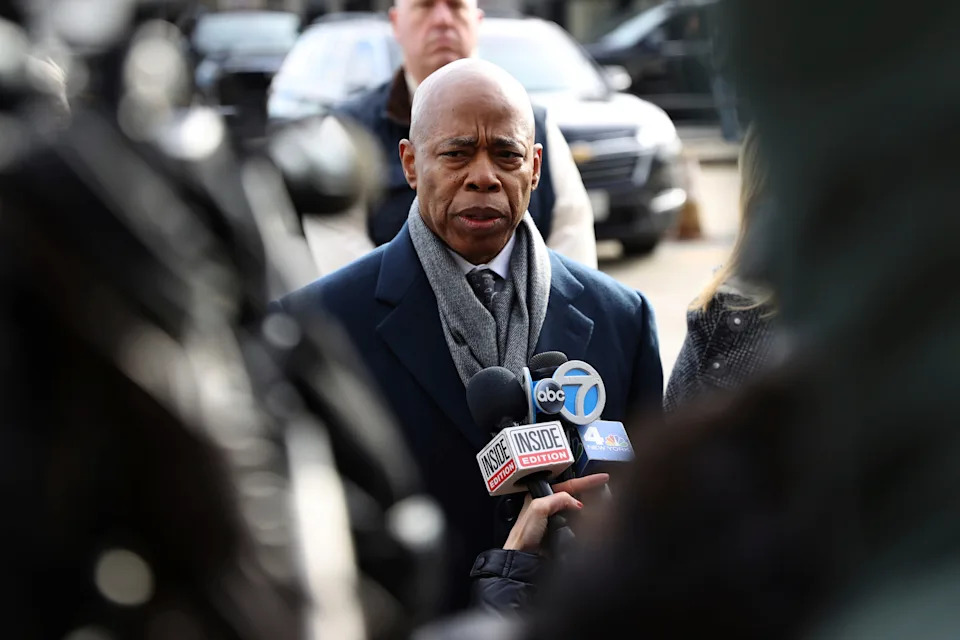
FILE - NYC Mayor Eric Adams speaks to the press after the arrival of Luigi Mangione, a suspect in the fatal shooting of UnitedHealthcare CEO Brian Thompson, Dec. 19, 2024, in New York. (AP Photo/Pamela Smith, File)(ASSOCIATED PRESS)
Corruption Probe and City Hall Turmoil
A federal investigation into Adams’ campaign emerged publicly in late 2023 when agents seized the mayor’s phones. The probe widened: on Sept. 26, 2024, federal prosecutors charged Adams with fraud and bribery, alleging he accepted illegal campaign contributions and steeply discounted foreign trips in exchange for influence. Investigators also seized phones belonging to senior City Hall officials. Several top aides and allies later faced separate indictments or ethical scrutiny, and a wave of departures from City Hall raised questions about the mayor’s ability to govern.
“That’s a disappointment for voters, especially for Black voters, who had high expectations and aspirations,” said Basil Smikle, a political strategist and former state Democratic Party executive director.
Loyalty, Perception and the Justice Department Decision
Adams’ tendency to keep longtime allies in high-ranking roles — even amid allegations of misconduct — left him vulnerable to accusations of poor judgment. Facing falling approval ratings and the prospect of prosecution, he publicly aligned with President Donald Trump and at times suggested bureaucratic conspiracies against him. Weeks after Trump took office, the Justice Department dismissed the corruption case in a brief memo saying continued prosecution would interfere with the president’s immigration agenda — a move that many observers said damaged Adams’ standing by reinforcing perceptions that he had traded political capital for personal benefit.
Aftermath: Politics and Future Plans
Even after the DOJ dismissal, Adams struggled to rebuild his political standing. His approval ratings plunged, he ended his re-election bid and in September he endorsed former Gov. Andrew Cuomo. In his final weeks, the mayor traveled frequently, publicly weighed private-sector opportunities and delivered a farewell speech at City Hall before departing on another international trip.
Legacy
Adams’ record is mixed: he helped lead parts of New York’s post-pandemic recovery and pursued crime-reduction policies that supporters credit with stabilizing many indicators, yet his administration will also be remembered for the corruption probe, a string of staff scandals, and the perception that loyalty sometimes trumped accountability.


