The Base, an American‑born neo‑Nazi terrorist group led by Rinaldo Nazzaro, remains active in the U.S. despite arrests in Spain and a 2020 FBI crackdown. Online posts show armed cells training in Appalachian, mid‑Atlantic and midwestern locations while Nazzaro's audio rhetoric calls for an armed insurgency and "acceleration teams" to target infrastructure. European arrests and an EU terrorist designation have turned The Base into a transnational security concern, and analysts warn that recent messaging raises the group's exposure to law enforcement.
Neo‑Nazi Group 'The Base' Intensifies U.S. Activity as Analysts Warn of Growing Threat

Rinaldo Nazzaro, left, the founder of the neo-Nazi group the Base.Composite: YouTube via Sal Coast, Obtained by The Guardian
Despite high‑profile arrests of its Spanish cell and a 2020 FBI crackdown, the American‑born neo‑Nazi terrorist group known as The Base remains active online and continues to view the United States as a core operational hub.
Leadership, Goals and Rhetoric
The group is led by Rinaldo Nazzaro, a former Pentagon contractor whom authorities and multiple reports allege has ties to Russian intelligence. In an audio clip released in early December on a Russian‑controlled app and reviewed by the Guardian, Nazzaro described The Base's long‑term aim: to "form an organized, armed insurgency to take and hold territory" and to establish what he termed a "white homeland." He named Ukraine and the United States as countries that possess conditions favorable to that goal.
"Our long‑term strategic goal is to accomplish something similar to what al‑Qaida and IS accomplished in Syria. Form an organized, armed insurgency to take and hold territory. And establish a white homeland which we control and govern." — Rinaldo Nazzaro (audio, December)
U.S. Presence: Training, Recruitment and Messaging
The group's online footprint includes videos and images that purport to show armed training by U.S. cells. Recent posts depict masked men firing military‑style rifles and pistols in an Appalachian forest, an image showing five armed men in skull masks displaying The Base's black flag, and separate clips of members giving Nazi salutes or firing pistols in mid‑Atlantic and midwestern locations.
Recruitment continues to flow through a Russia‑based email address, and observers say online messaging promotes the formation of so‑called "acceleration teams" intended to destabilize society through targeted attacks on critical infrastructure.
European Activity and International Response
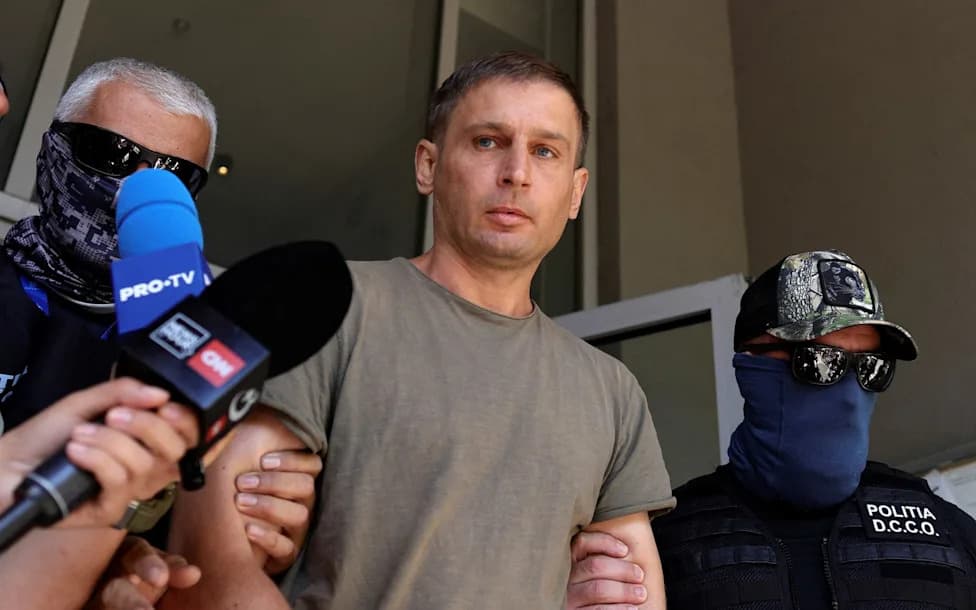
Beyond the U.S., The Base has pursued expansion in Europe. Its Ukrainian wing has been tied to multiple violent incidents and claimed responsibility for a July assassination in Kyiv. Law‑enforcement operations in early December led to arrests in Spain, and authorities in the Netherlands, Belgium and the United Kingdom have also detained members. The European Union has designated The Base as a terrorist organization on par with IS and al‑Qaida.
Law Enforcement and Intelligence Concerns
European security services have flagged potential links between The Base and Russian sabotage or influence operations — a concern that has elevated the group from a niche extremist problem to a transnational security target. Sources quoted by the Guardian say the FBI under Kash Patel deprioritized far‑right investigations, though analysts warn that Nazzaro's public calls for violence could give law enforcement clearer legal grounds for intervention.
Notable Cases and Legal Fallout
Former Canadian cell leader Patrik Matthews is serving a U.S. prison sentence for illegally entering the United States and conspiring in a 2020 plot to attack a Virginia gun‑rights rally. Arrests across Europe and the group's designation by allied countries increase pressure on The Base and its networks.
What To Watch
- Whether U.S. authorities increase investigative resources in response to the group's recent rhetoric and visible online activity.
- Any operational links between European cells and U.S. members — particularly commands or logistics flowing through Russia‑based accounts.
- Further law‑enforcement actions in Europe and whether international cooperation leads to additional arrests or disruption of the group's communications.
How to Share Information: Responsible journalism relies on secure tips. If you have information, consider the secure options listed by reputable outlets, including end‑to‑end messaging within verified apps or established secure‑drop platforms. Share responsibly and prioritize your safety.
Help us improve.