Blue Origin postponed the NS‑37 New Shepard launch that would have carried aerospace engineer Michi Benthaus — who would have been the first wheelchair user in space. The countdown was halted twice: first for upper‑level winds and then at T‑58 seconds because of a preflight check issue. The suborbital flight, which typically lasts 10–12 minutes and crosses the 62‑mile (100 km) Kármán line, will be rescheduled after investigators review the anomaly.
Blue Origin Postpones NS‑37 Launch — First Wheelchair User's Flight Delayed After Last‑Second Hold

Credit: Blue Origin
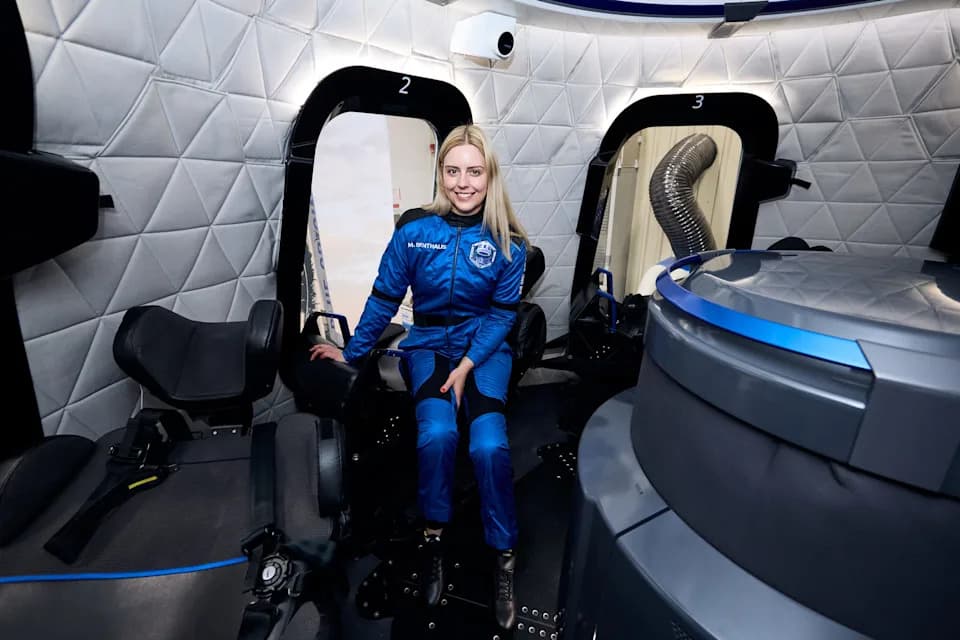
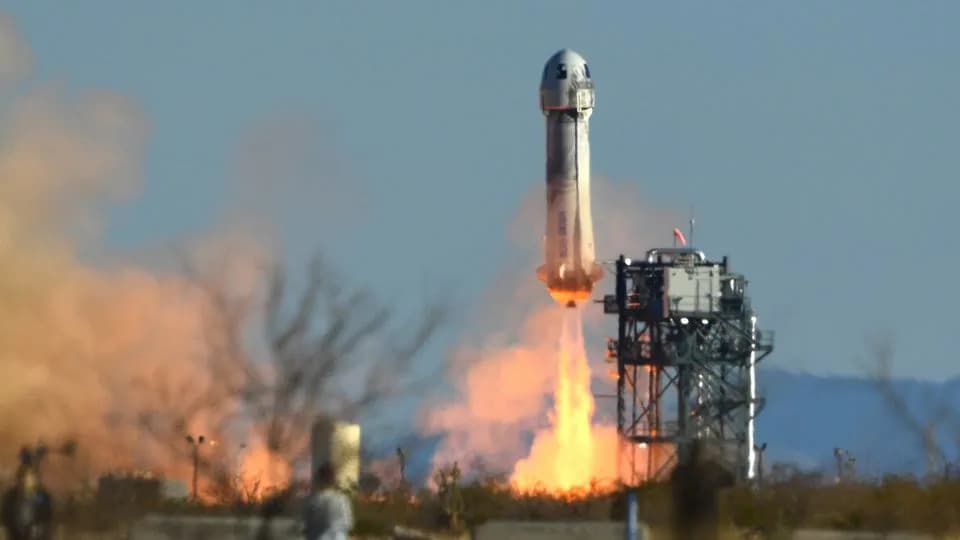
Aerospace engineer Michi Benthaus will have to wait longer before becoming the first wheelchair user to travel to space after Blue Origin postponed the NS‑37 New Shepard flight on Thursday.
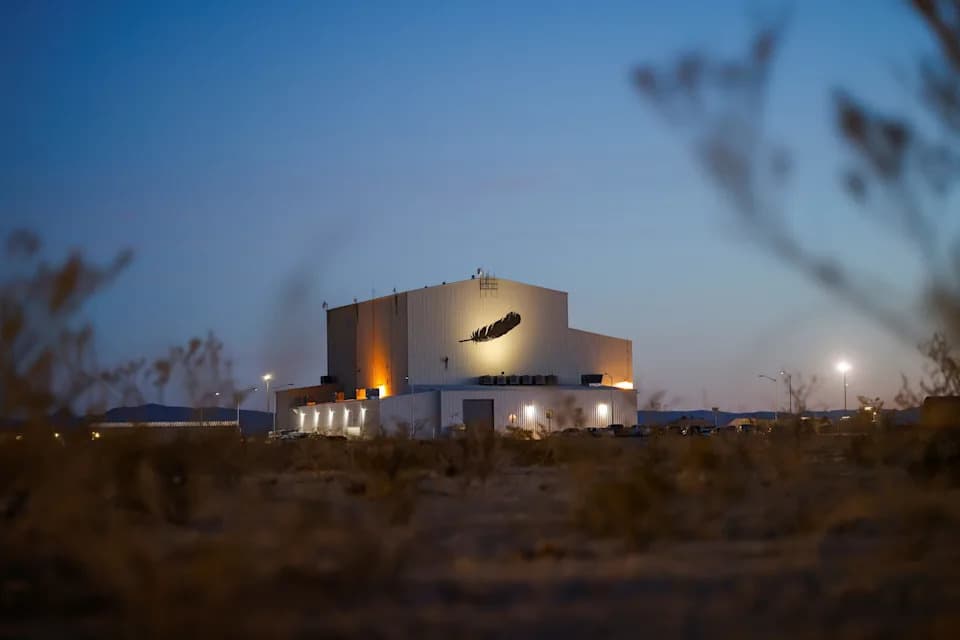
The countdown was paused twice at the company's West Texas launch site. An initial hold for upper‑level winds pushed the planned T‑0 to the 11:00 hour (1600 GMT). After the count resumed, officials called a second hold at T‑58 seconds citing an "issue with built‑in checks prior to flight," commentators said during the company's livestream. Blue Origin later announced the mission would be postponed while teams investigate and address the issue.

The six passengers on Blue Origin's upcoming NS-37 suborbital spaceflight. | Credit: Blue Origin
Michi Benthaus, an aerospace engineer at the European Space Agency who has used a wheelchair since a 2018 mountain‑biking accident, was scheduled to fly alongside five other passengers: investors Joey Hyde and Adonis Pouroulis, aerospace engineer Hans Koenigsmann, entrepreneur Neal Milch and self‑described "space nerd" Jason Stansell.
Koenigsmann is a familiar figure in the space community after a long career at SpaceX from 2002 to 2021, where he served as Vice President of Build and Flight Reliability and frequently led post‑launch briefings.
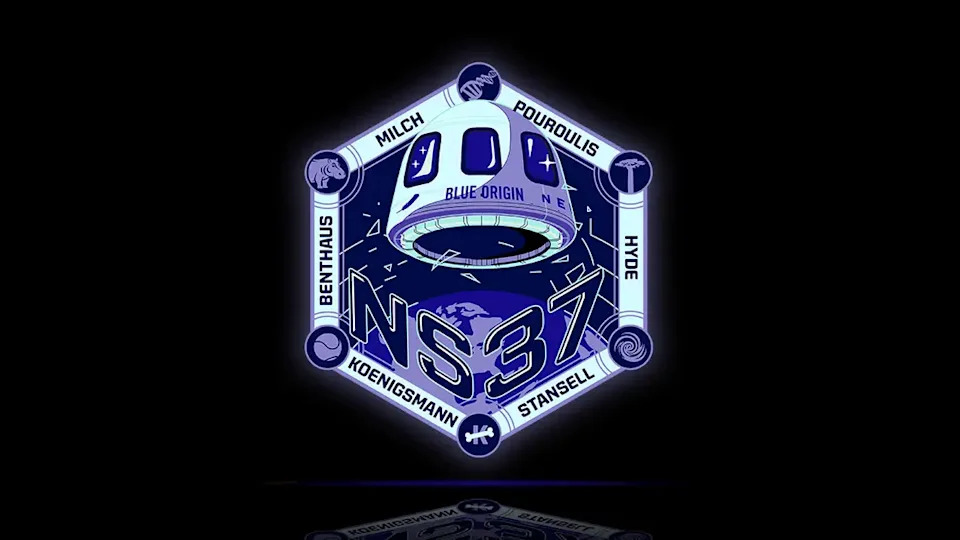
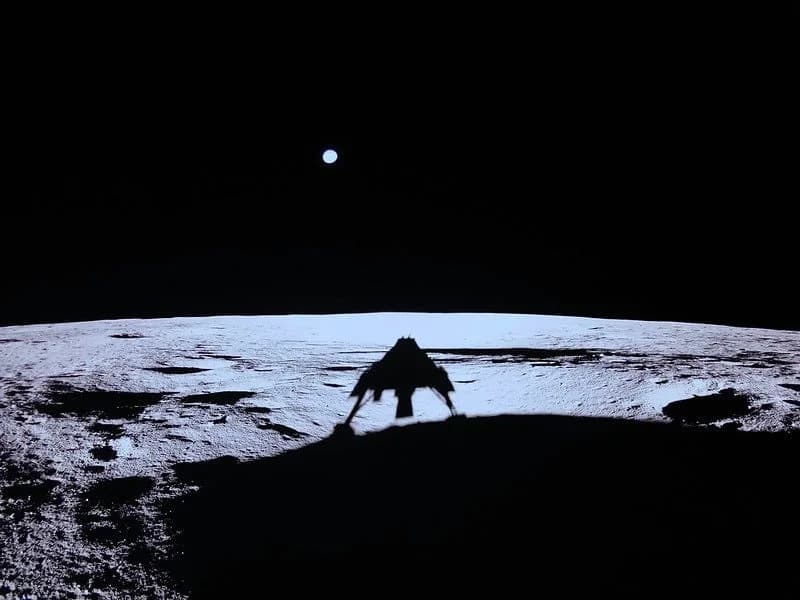
The patch for Blue Origin's NS-37 suborbital tourism mission. | Credit: Blue Origin
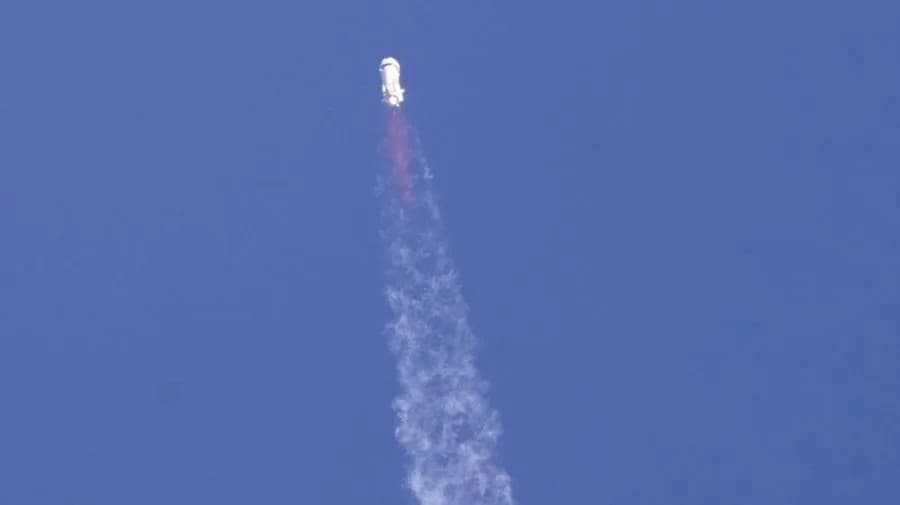
Blue Origin designated the flight NS‑37 because it would have been the 37th liftoff of New Shepard, the company's autonomous, fully reusable rocket‑and‑capsule system. New Shepard conducts suborbital missions that typically last about 10–12 minutes from liftoff to capsule touchdown. Flights cross the widely recognized Kármán line — roughly 62 miles (100 kilometres) above Earth — giving passengers a view of our planet against the blackness of space and a few minutes of weightlessness.
To date, New Shepard has flown 36 missions, of which 16 carried crew and 20 were uncrewed research flights. Those 16 crewed launches have carried 86 passenger seats but only 80 distinct individuals because several people have flown more than once. Blue Origin has not disclosed current pricing for a passenger seat.
What's next: Blue Origin said teams will thoroughly review telemetry and preflight checks before setting a new launch date. The company emphasized that safety and reliability are priorities and that the postponement reflects standard, precautionary procedures in final prelaunch checks.
Help us improve.