
India’s Parliament has approved legislation to open the civil nuclear power sector to private firms; the bill passed both houses and now awaits presidential assent. Supporters say the measure will modernize the industry and attract investment, including deployment of small modular reactors. Critics warn it weakens safety, liability and compensation protections for communities near plants. India aims for 100 GW of nuclear capacity by 2047 and has pledged over $2 billion for research.
India Opens Civil Nuclear Power Sector to Private Firms in Major Policy Shift

FILE - A temple stands in the foreground of the Madras Atomic Power Station located at Kalpakkam, in the Indian state of Tamil Nadu, Feb. 10, 2025. (AP Photo/R. Parthibhan, File)(ASSOCIATED PRESS)
NEW DELHI (AP) — India’s Parliament on Thursday approved legislation that allows private companies to enter the tightly controlled civil nuclear power sector, a move the government says will accelerate clean-energy expansion and modernize regulatory frameworks.
What Happened
The lower house approved the bill Wednesday and the upper house gave its consent Thursday. The legislation now awaits the Indian president’s assent, widely expected to be a formality before it comes into force. The measure has been introduced under the long title Sustainable Harnessing and Advancement of Nuclear Energy for Transforming India.
Why It Matters
The decision has international ramifications as India aims to become a significant player in the next wave of nuclear energy, including the deployment of small modular reactors, at a time when many countries are reassessing nuclear power to meet climate goals and reduce dependence on fossil fuels.
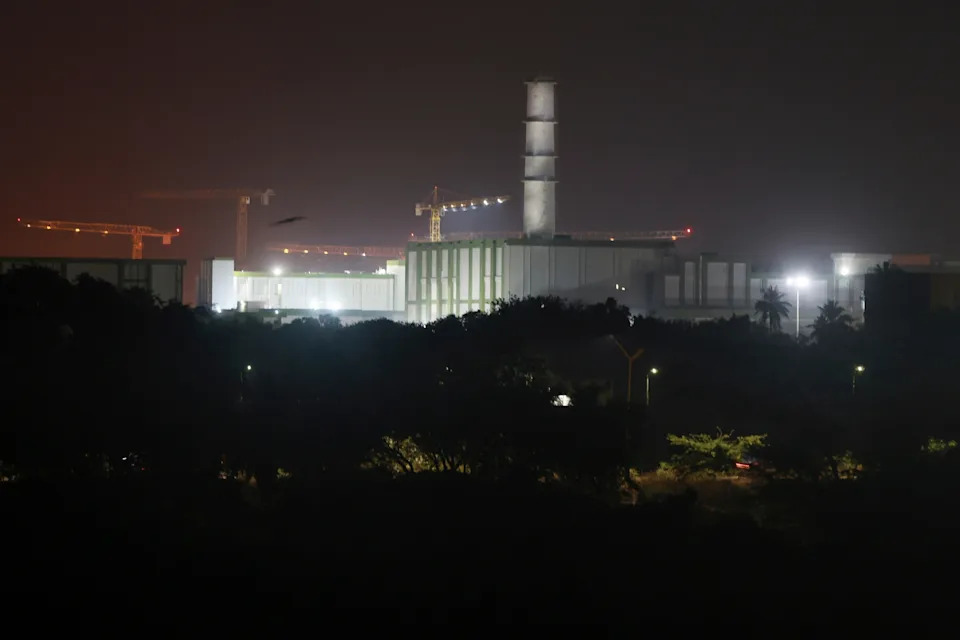
FILE - Madras Atomic Power Station operates at Kalpakkam, in the Indian state of Tamil Nadu, Feb. 10, 2025. (AP Photo/R. Parthibhan, File)(ASSOCIATED PRESS)
Supporters’ Case
Proponents say the bill breaks decades of state monopoly in the sector and will attract private investment, technology and faster deployment. Karthik Ganesan, director of strategic partnerships at the Council on Energy, Environment and Water, called the move "a momentous milestone for India" that signals the country is open to private-sector participation in nuclear energy.
"India’s role in geopolitics is increasing. And if we have to be a global player effectively, we have to live up to global benchmarks," said Junior Minister Jitendra Singh, who oversees the Department of Atomic Energy. He told lawmakers the bill modernizes India’s nuclear framework while retaining core safety, security and regulatory safeguards.
Critics’ Concerns
Opposition parties and activists argue the legislation weakens safety, liability and compensation protections for communities near nuclear plants. Lawmaker Ashok Mittal of the Aam Aadmi Party said the bill "doesn’t have sufficient safeguards" to protect residents’ health. Anti-nuclear activist G. Sundarrajan warned it could remove essential protections that compel companies to invest in safety and could limit recourse for citizens seeking damages after incidents.
Opposition members urged that the bill be referred to a parliamentary committee for further scrutiny; the government declined that request.
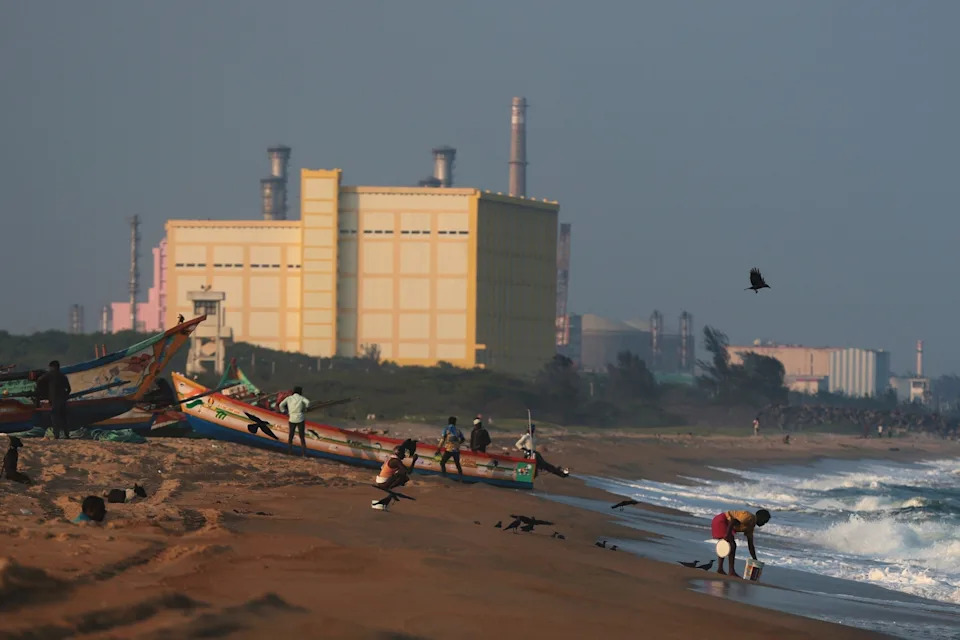
FILE - Fishermen tether a boat on the shore near the Madras Atomic Power Station at Kalpakkam, in the Indian state of Tamil Nadu, Feb. 10, 2025. (AP Photo/R. Parthibhan, File)(ASSOCIATED PRESS)
Context And Targets
India has pledged more than $2 billion in recent months for nuclear research and related activities. The government has set an ambitious target of installing 100 gigawatts of nuclear capacity by 2047 — capacity officials say could power nearly 60 million homes annually. Nuclear energy produces electricity without direct greenhouse-gas emissions during operation, though it generates radioactive waste.
India remains one of the world’s largest emitters of greenhouse gases and still generates more than 75% of its electricity from fossil fuels, mainly coal. Energy experts say reliable, low-carbon sources such as nuclear — which are not dependent on intermittent solar or wind generation — will likely be needed to meet decarbonization goals, though some observers are skeptical about the speed and scale of India’s ambitions given the small size of its current nuclear sector and persistent public concerns.
AP journalist Sibi Arasu contributed to this report.


