President Trump is expected to sign an executive order to reclassify marijuana from Schedule I to Schedule III, a move that would not legalize recreational use federally but could expand research, medical access and ease tax constraints for state-licensed cannabis businesses. The Biden-era HHS recommended the downgrade and the Justice Department previously proposed a rescheduling rule, but legal and administrative delays kept marijuana in Schedule I. Supporters cite research and investment benefits, while some Republican lawmakers warn of health and safety risks.
Trump Expected To Reschedule Marijuana To Schedule III — Significant Federal Policy Shift

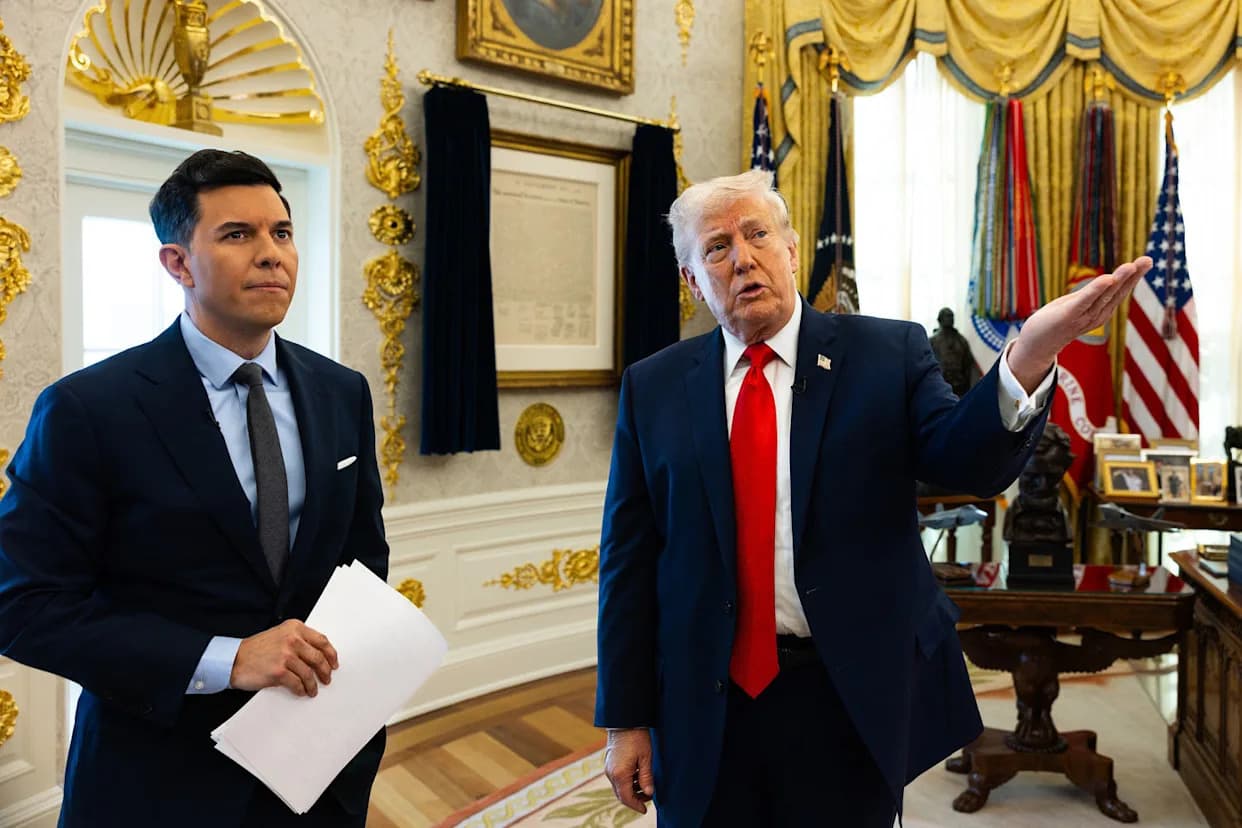
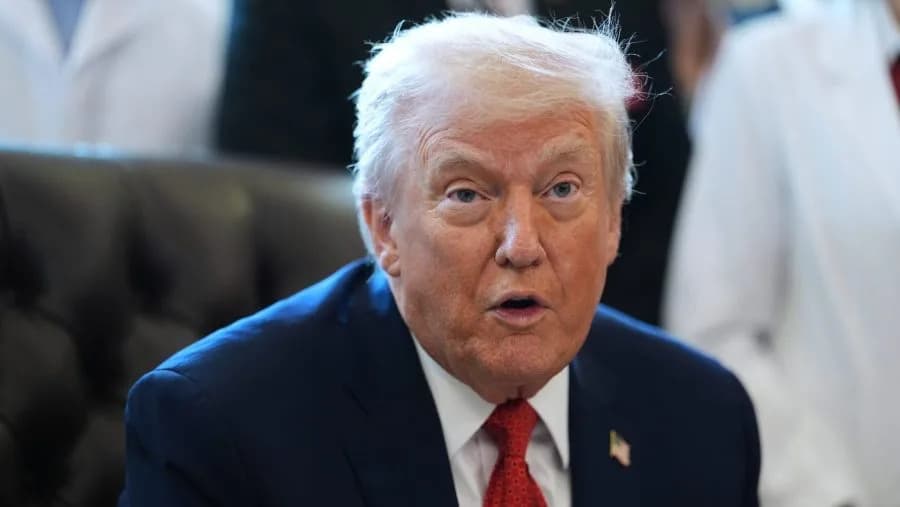
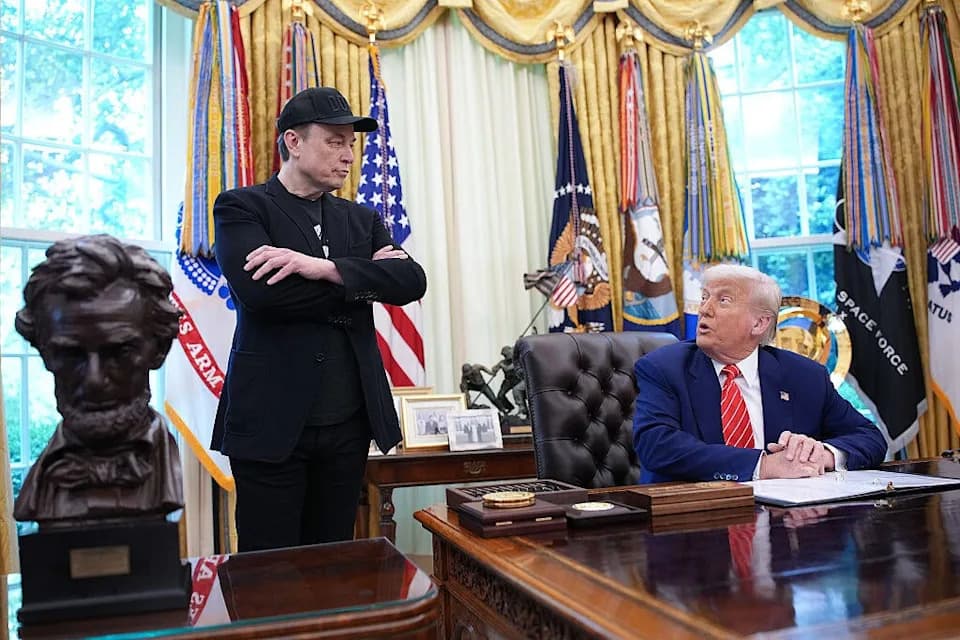
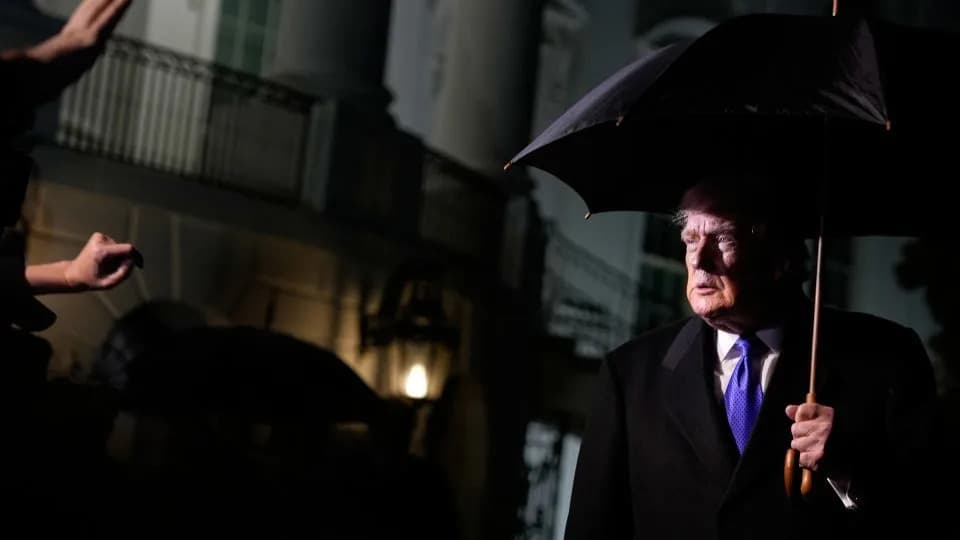
President Trump is expected to sign an executive order on Thursday to reclassify marijuana from a Schedule I to a Schedule III controlled substance, two people familiar with White House planning told reporters. One source cautioned that the timing could change, but the planned move would represent one of the most consequential shifts in U.S. drug policy in decades.
What The Order Would Do
The order would move cannabis out of Schedule I — the Drug Enforcement Administration (DEA) category for substances the agency says have "no currently accepted medical use and a high potential for abuse" (alongside drugs such as heroin, LSD and MDMA) — into Schedule III, which is reserved for drugs with a "moderate to low potential for physical and psychological dependence." Examples of Schedule III substances include acetaminophen with codeine (Tylenol with codeine), testosterone, certain anabolic steroids and ketamine.
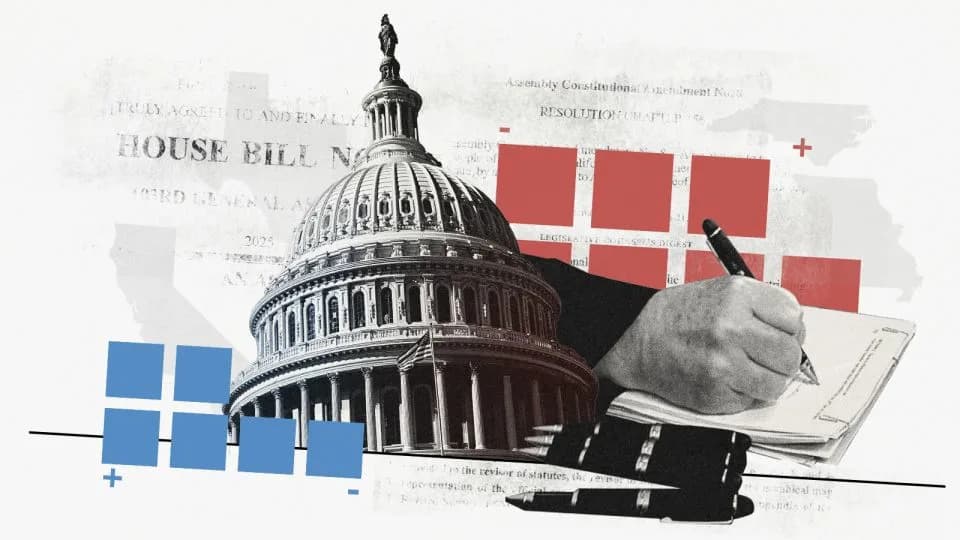
Rescheduling would not legalize recreational cannabis at the federal level. However, proponents say it could expand federally approved research, open the door to broader medical uses, and ease some federal tax constraints on state-licensed cannabis businesses. Under current tax rules, notably Internal Revenue Code Section 280E, companies that traffic in Schedule I substances face limits on deductions and credits; rescheduling could reduce that burden.
Supporters' Arguments
Mr. Trump said he is "considering" rescheduling because "tremendous amounts of research can't be done unless you reclassify." Industry leaders welcomed the potential change. Vince C. Ning, co-CEO and co-founder of cannabis wholesale platform Nabis, said rescheduling would "accelerate research, reduce stigma, attract new investment, and ease some tax burdens that have held the industry back," and suggested a further transformation could follow if interstate commerce barriers are removed.
Opposition And Concerns
The proposal faces skepticism from some lawmakers who cite public-health and safety concerns. A group of 22 Republican senators urged the president to keep marijuana as a Schedule I drug, warning about health risks, impaired driving and worker absenteeism. Separately, nine House Republicans urged the attorney general not to lower the schedule, asserting there is insufficient scientific evidence of proven medical value and warning the move could send the wrong message to young people.
Background And Process
Marijuana has been classified as Schedule I since the modern federal scheduling system was created in 1970. In recent decades, most states have approved cannabis for certain medical uses, and 24 states now permit recreational sales; those state laws remain technically at odds with federal law, though federal authorities have generally not closed state-licensed operations.
The Biden-era Department of Health and Human Services recommended downgrading marijuana to Schedule III, and the Justice Department proposed a rescheduling rule last year. That formal rulemaking became entangled in legal and administrative disputes, leaving cannabis in Schedule I. CNN first reported that an executive order was being planned for Thursday. CBS News has contacted the White House for comment.
Why This Matters: Rescheduling would not legalize marijuana nationwide but could materially change research access, medical use pathways, and tax treatment for state-licensed cannabis businesses — while keeping the substance regulated at the federal level.
Help us improve.