Christopher Anderson’s extreme close-up portraits of Trump administration figures — published with a Vanity Fair two-part feature — have ignited debate for their raw, unvarnished look. Anderson, a former Magnum conflict photographer known for his "X-ray" political portraits, aims to reveal what lies beneath public performance. The Vanity Fair reporting, including Susie Wiles’ claim that the president has "an alcoholic’s personality" and that he sought regime change in Venezuela, amplified the images’ impact. The episode raises larger questions about media access, image control and the public’s right to see beyond curated portrayals.
Unvarnished Power: What Christopher Anderson’s Extreme Close-Ups Reveal About Trump’s Inner Circle

The president’s inner circle gathered for a shoot with Vanity Fair. - Christopher Anderson/Vanity Fair
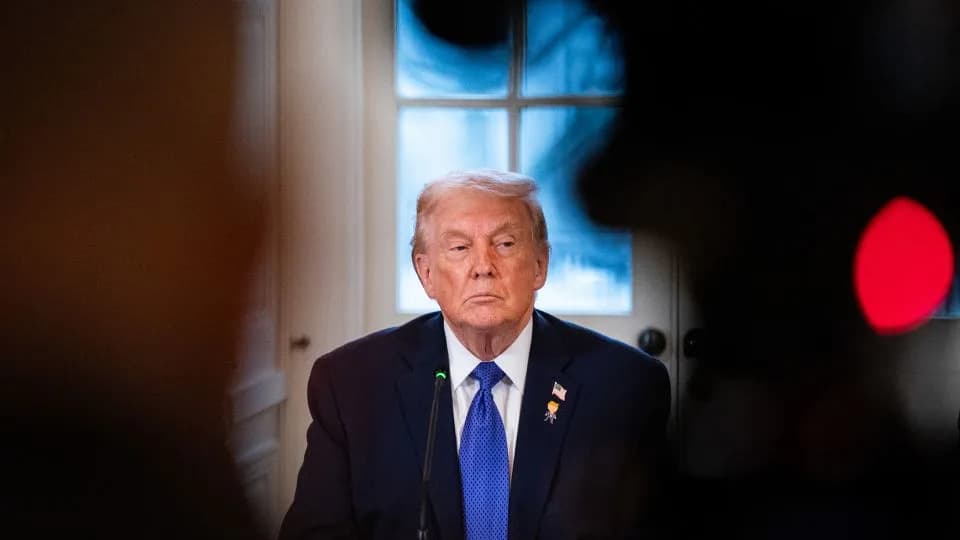
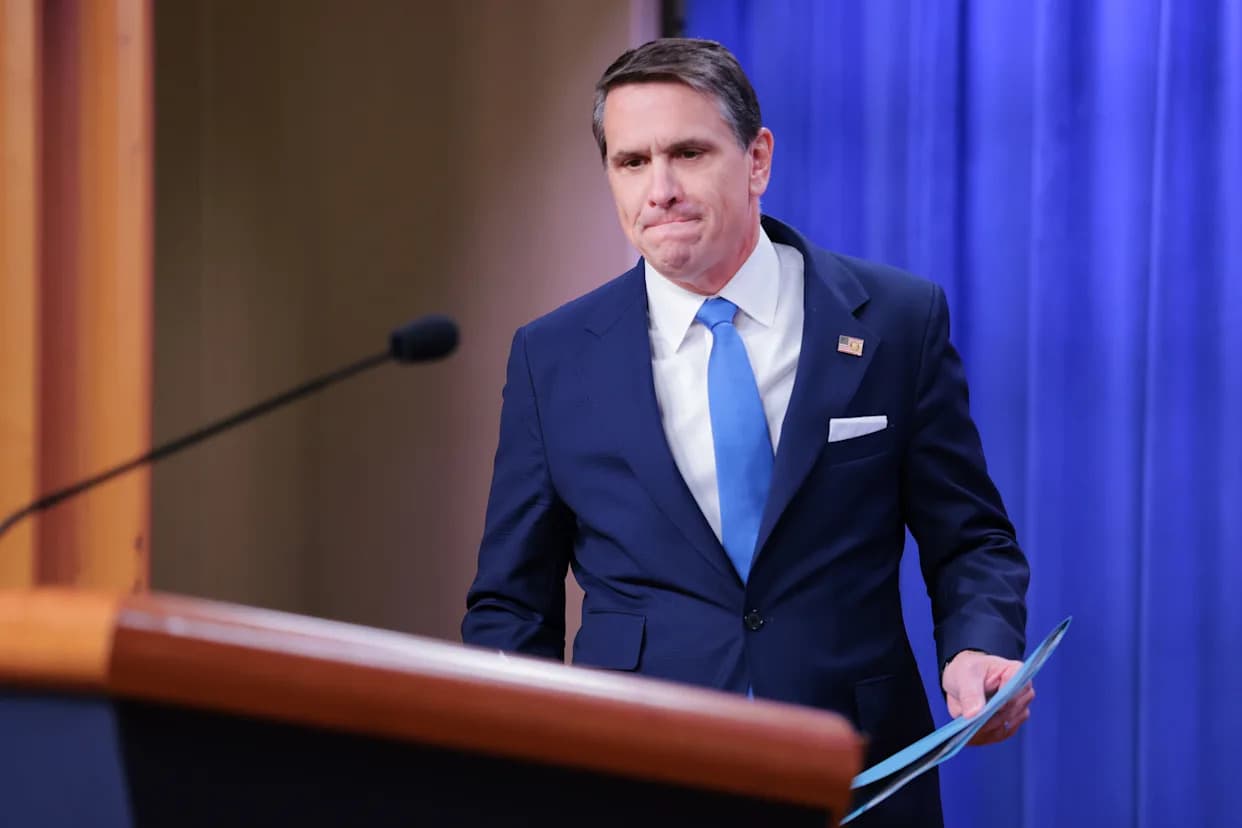
Wide-eyed stares, blotchy complexions, full lips and powdery makeup: extreme close-up portraits of members of President Trump’s inner circle — including Karoline Leavitt, Susie Wiles, J.D. Vance and Marco Rubio — have gone viral after appearing alongside Vanity Fair’s two-part White House package.
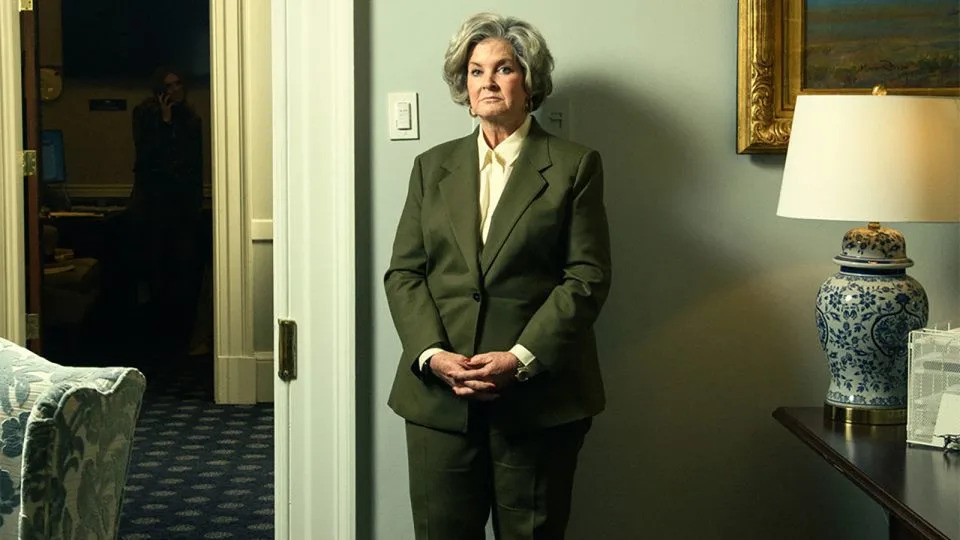
White House chief of staff Susie Wiles. - Christopher Anderson/Vanity Fair
Shot by photojournalist Christopher Anderson to accompany Chris Whipple’s in-depth report, the images range from composed, pulled-back portraits to confrontational, in-your-face frames that many readers found unsettling. The photographs were published with a feature built on roughly a year of candid interviews, most notably with White House chief of staff Susie Wiles.

A close-up of Wiles. Anderson's tight portraits of White House officials became a major talking point in addition to Wiles' own revelations. - Christopher Anderson/Vanity Fair
Anderson’s Approach: Reveal, Don’t Smooth
Anderson, who began his career at Magnum Photos as a conflict photographer, is known for photographing political life with a raw, unfiltered eye. He earned wider notice in the late 2000s for gritty, claustrophobic black-and-white portraits of campaign figures published in outlets such as the New York Times Magazine. In 2014 he compiled many of those images in the book Stump, which presented subjects — from Mitt Romney and Barack Obama to Chris Christie and Joe Biden — without journalistic captions or partisan framing. Magnum has called some of those images "X-ray icons," reflecting Anderson’s ambition to penetrate the surface of public performance.
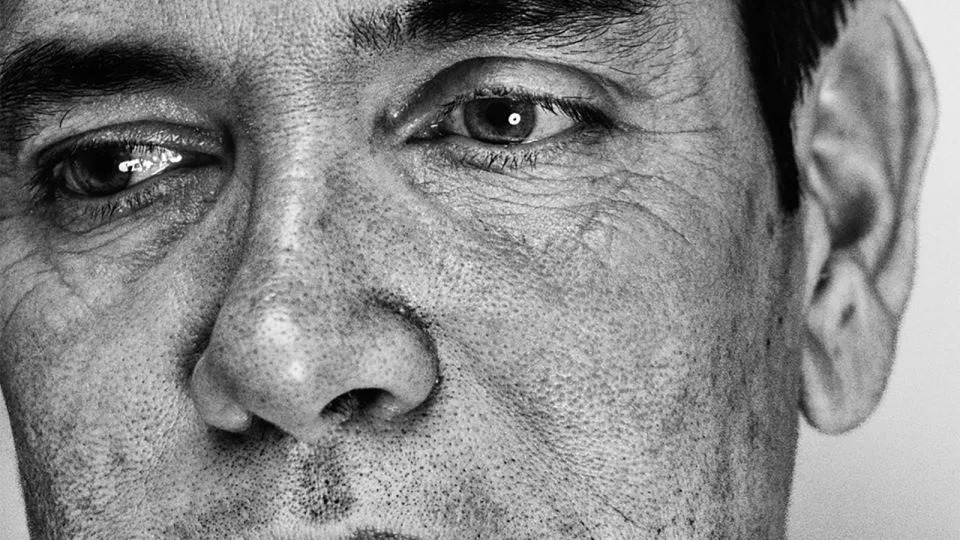
Secretary of State Marco Rubio. Anderson has taken revealing portraits of politicians for more than two decades. - Christopher Anderson/Vanity Fair
Unlike commercial portraitists who often retouch and soften, Anderson’s photojournalistic role is to reveal rather than conceal. He has said he photographs subjects from across the political spectrum with the same critical eye; his methods can vary within a single session, producing both conventional and starkly intimate portraits.

A close-up of Vice President JD Vance. - Christopher Anderson/Vanity Fair
Why These Images Matter
The Vanity Fair package — which included explosive quotes, such as Wiles saying the president has "an alcoholic’s personality" and that he pushed for regime change in Venezuela — put Anderson’s portraits in sharper relief. The images and the reporting together highlight tensions over media access, image control and the public’s right to see beyond carefully curated portrayals of power.
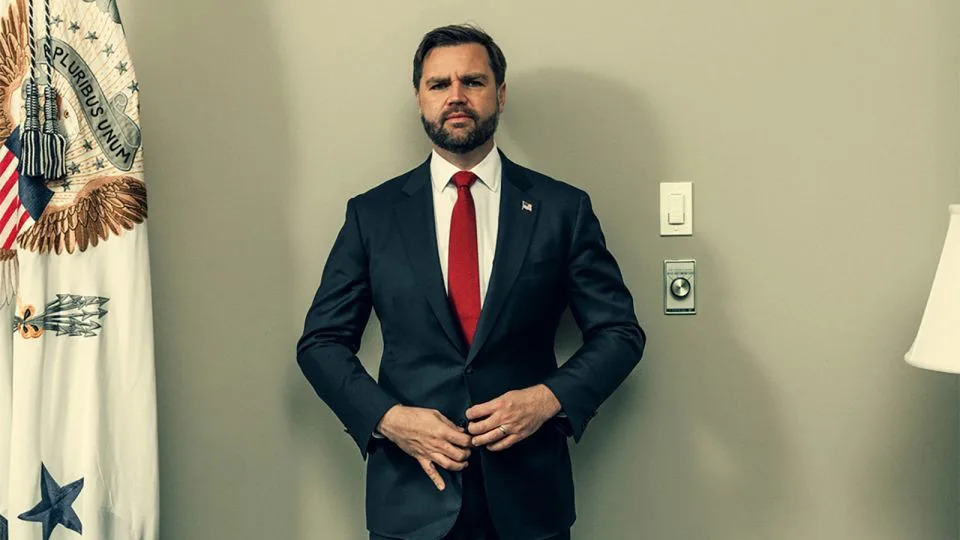
The vice president was also photographed from a greater distance. - Christopher Anderson/Vanity Fair
"The public should not be limited to the mask," the debate over these images implies: photography can puncture crafted facades and force a conversation about how leaders and their teams choose to present themselves.
Context And Consequences
The high-flash, uncompromising aesthetic seen in Anderson’s work was widely embraced by photo editors in the 2010s searching for visuals to match a more theatrical political era. Editors at major outlets — including The New York Times, New York Magazine and TIME — have published similarly unguarded portraits by Anderson and his peers. That look has since migrated into coverage beyond politics, from fashion shoots to social events.
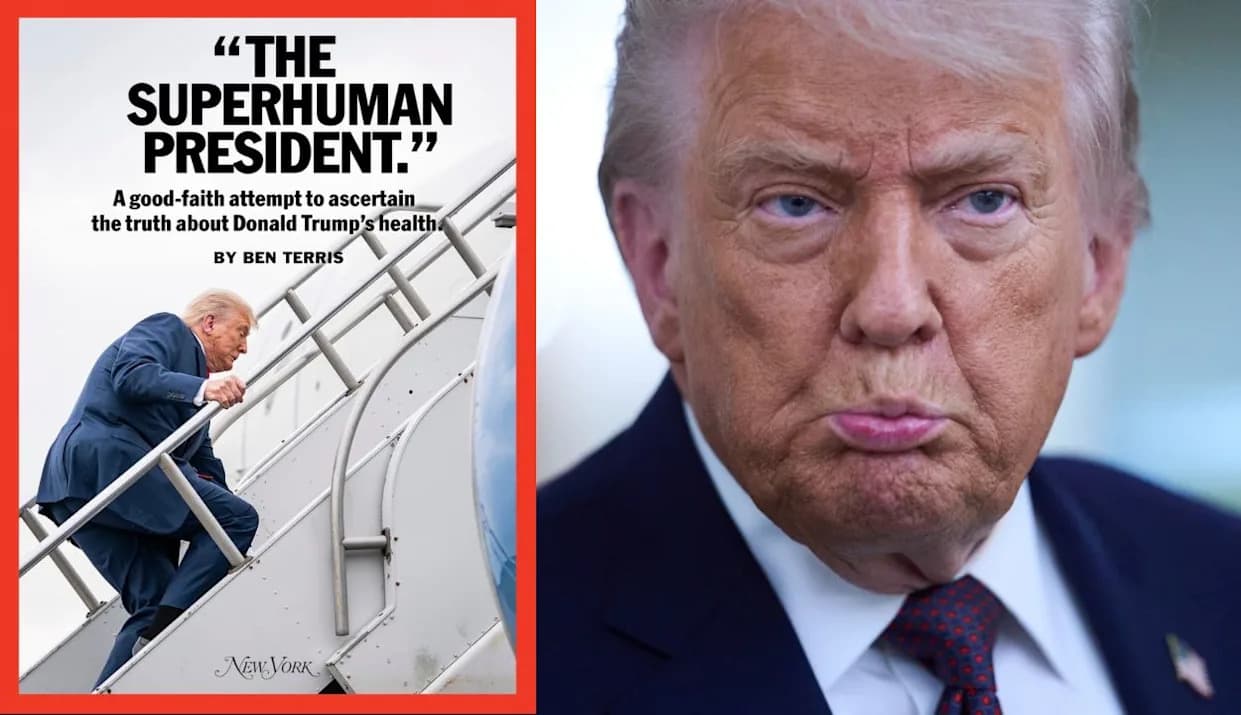
President Trump has previously pushed back against unflattering depictions — from criticizing a TIME cover to complaining about a state portrait he felt did not capture his likeness — and media outlets have sometimes adjusted in response. Such episodes raise questions about whether political offices can exert undue influence over how public figures are visually represented.
Anderson’s portraits do not answer those debates, but they do complicate them. Whether viewers find the images unsettling or illuminating, they serve as a reminder that photography remains a powerful tool for exposing the human faces behind crafted political brands.
Help us improve.