Myanmar’s junta says it has launched a “zero tolerance” campaign against large cyberscam compounds and raided KK Park, but satellite and forensic reviews challenge official claims. Independent analysts found only 31 buildings fully flattened and at least 78 partially damaged, suggesting many structures could be repaired. Previous crackdowns failed to stop the growth of scam compounds, roughly 1,500 displaced workers have entered Thailand, and some sites still report functioning Starlink terminals.
Did Myanmar Really Destroy KK Park? Satellite Evidence Questions Junta’s ‘Zero Tolerance’ Crackdown

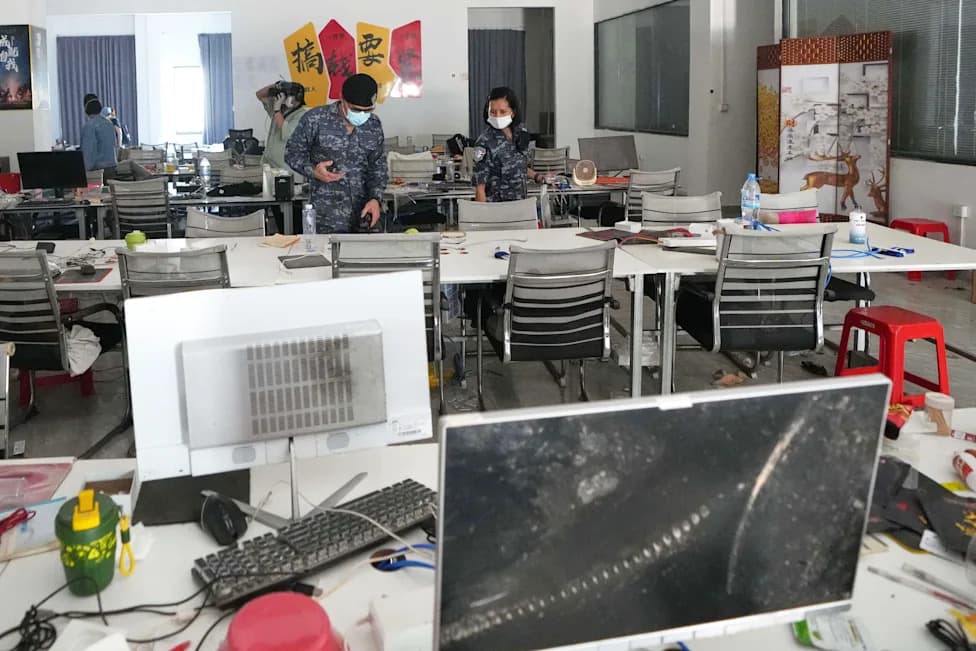
FILE - In this image provided by the Myanmar military on Oct. 19, 2025, soldiers stand next to Starlink satellite internet devices as they seize KK Park online scam center in Myawaddy township, Karen State, Myanmar. (The Myanmar Military True News Information Team via AP, File)
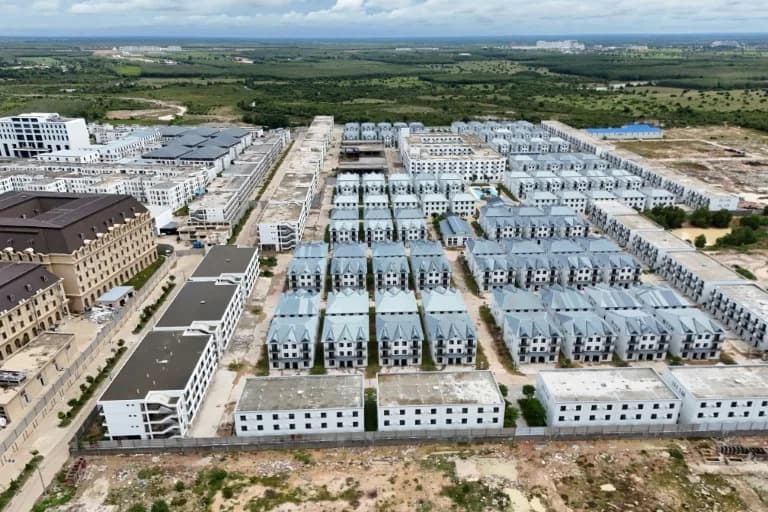
Myanmar’s military government has announced a new “zero tolerance” campaign against large-scale cyberscam compounds, highlighting raids and bombardments at KK Park — a site long seen as emblematic of the country’s lucrative scam industry. However, new visual and satellite analysis raises doubts about whether the operation amounted to permanent demolition or a more limited show of force.
What The Government Says
Authorities reported that, by Dec. 13, some 413 buildings at KK Park had been “demolished,” with a further 222 structures to be cleared. The junta has used these actions to promote its anti-scam credentials ahead of national elections.
What Independent Analysis Found
Forensic reviewers at the Center for Information Resilience (CIR) and Myanmar Witness found far fewer complete razings. Their review concluded that 31 structures were fully flattened and at least 78 were partially damaged. Investigators noted that more than half the buildings were struck by heavy machinery in ways that often left roofs, ceilings and floor layers intact — suggesting many structures could be repaired and reused.
Satellite imagery dated Dec. 4 showed most buildings at KK Park still wholly or partially standing even as demolition activity spread to other sections of the compound.
Past Crackdowns And The Likely Outlook
Observers caution that previous enforcement efforts have failed to produce lasting results. Raids earlier in the year — conducted under Chinese pressure — led to the release of more than 7,000 scam-center workers, according to the U.N. Office on Drugs and Crime, but operations persisted. C4ADS, a U.S. conflict analysis nonprofit, analyzed 21 known scam compounds in Myawaddy Township and found that 14 showed construction or expansion since January, a list that includes KK Park.
“This continued growth of scam compounds is emblematic of the junta’s inability to rein in the industry within Myanmar,” said Michael Di Girolamo, a C4ADS analyst.
Where Did Displaced Workers Go?
The Thai military reported that roughly 1,500 people who worked at KK Park entered Thailand through official channels — a small fraction of a workforce often estimated in the tens of thousands. The whereabouts of most displaced workers remain unclear. Messaging apps are already filled with job postings, and AP interviews indicate some workers followed company managers to new locations or moved on to sites in Cambodia, Mauritius and parts of Africa.
Internet Access And Starlink
State media displayed dozens of seized Starlink terminals, and SpaceX said it cut off access to more than 2,500 Starlink units in Myanmar. Still, people trapped at other compounds report some terminals remain operational: residents at Hengsheng Park 4 said a fourth Starlink unit continued to work after three were disabled, and a worker at Deko Park reported active Starlink service there. AP contacted SpaceX with compound locations but received no response.
What This Means
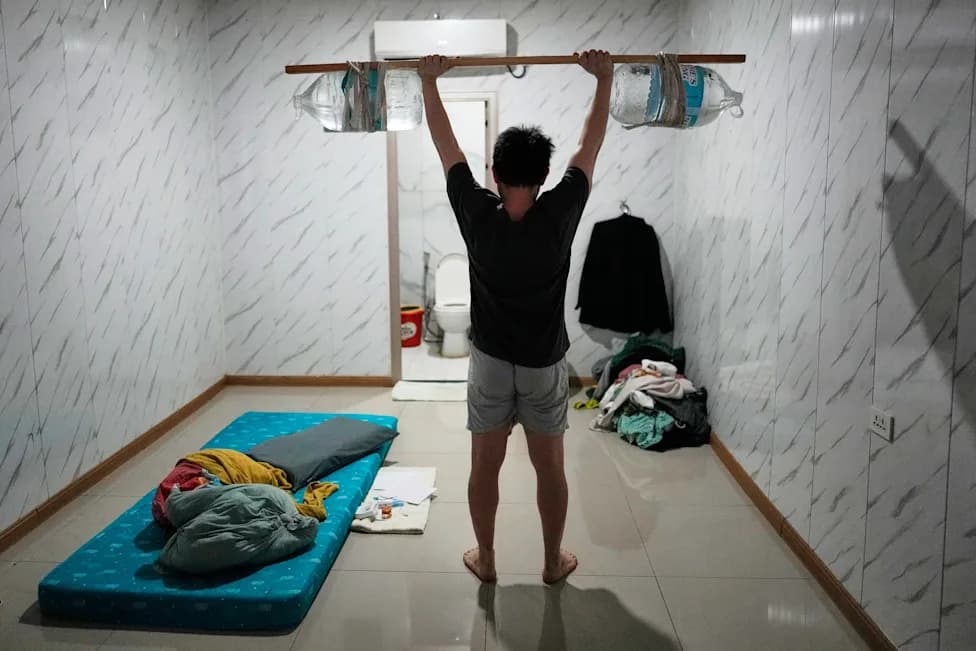
While the junta is publicizing these raids in the run-up to elections, interviews with current and former scammers, independent analysts and activists suggest the operation may be limited in scope and short-lived rather than a decisive dismantling of transnational scam networks. Human-trafficking advocates warn that many victims are still trapped and that operations can relocate or rebuild quickly when enforcement lacks follow-through.
Reporting Note: This story is part of an ongoing collaboration between The Associated Press and FRONTLINE (PBS). Associated Press reporter Huizhong Wu contributed from Bangkok, Thailand. Contact AP’s global investigative team at [email protected] or https://www.ap.org/tips/.
Help us improve.