Since 2022 Ukraine's children have suffered heavy harm: at least 3,000 killed or injured, about 3 million school-age children with major education disruption, and over 1 million showing signs of PTSD. In occupied regions Russia has imposed its curriculum, removed Ukrainian textbooks and pursued programs that risk erasing Ukrainian identity. Health services have been diverted for military use and more than 19,000 children have been separated from families; fewer than 2,000 have been returned. Western governments should not legitimize territorial gains that institutionalize these abuses.
How Peace Plans That Accept Russian Gains Could Put Over 1 Million Ukrainian Children at Risk

How the Trump-Putin peace plan puts more than 1 million Ukrainian children at risk
Since Russia's full-scale invasion of Ukraine in 2022, children have borne a disproportionate share of the suffering. According to reports from UNICEF, the World Health Organization and other humanitarian and rights organizations, at least 3,000 children have been killed or injured, roughly 3 million school-age children have experienced major educational disruption, and more than 1 million young people show signs of post-traumatic stress disorder.
Public debate about ceasefires and peace proposals has often overlooked the immediate and long-term risks to Ukraine's children — especially those living in territories under Russian control. If Moscow's territorial gains are legitimized in a negotiated settlement, a generation of Ukrainian children could face systematic cultural assimilation, loss of identity and long-term harm to their health, education and civic future.
Education and Identity
In occupied regions such as Crimea, Donetsk, Kherson, Luhansk and Zaporizhzhia, authorities have imposed Russian curricula and removed or destroyed Ukrainian textbooks. Instruction is frequently delivered in Russian; Ukrainian history — including the country's independence and the Maidan Revolution — is often dismissed, rewritten or presented as a foreign conspiracy. Compulsory patriotic lessons, weekly ceremonies and organized classroom activities aim to cultivate loyalty to Moscow and normalize the occupation.
Teachers who resist are subject to dismissal, interrogation or replacement by educators brought in from Russia. Parents who try to keep children enrolled in Ukrainian online schools have faced threats, fines and other penalties; in some instances children are told they may attend only if a parent holds Russian documents. These measures amount to a deliberate campaign to sever children from their native language, culture and national memory.
Health and Basic Services
Clinics and hospitals in occupied areas have been repurposed for military use, supplies have been seized, and access is often conditioned on presenting Russian documentation. Many children have missed routine care, including life-saving vaccinations, and chronic illnesses are frequently unmanaged because civilian health services are degraded or deprioritized.
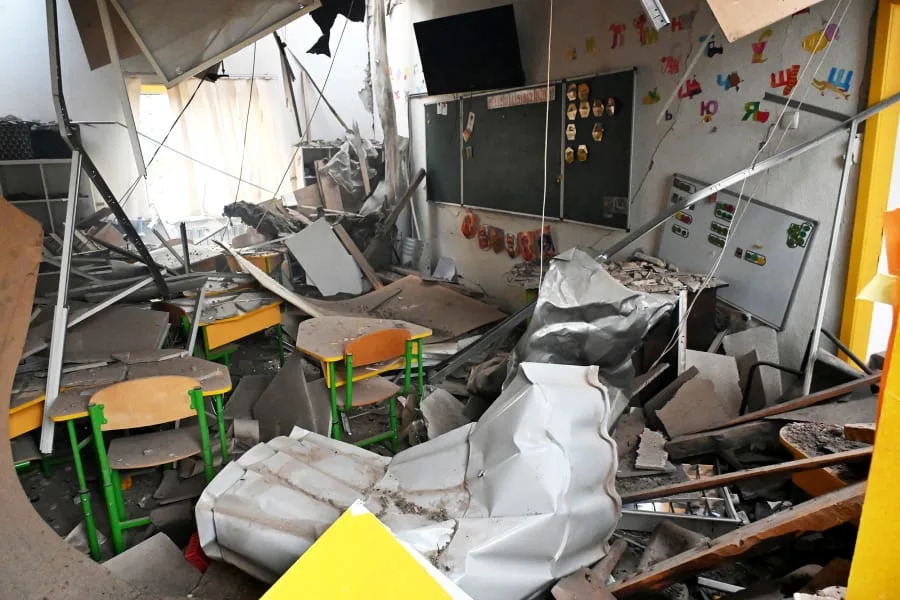
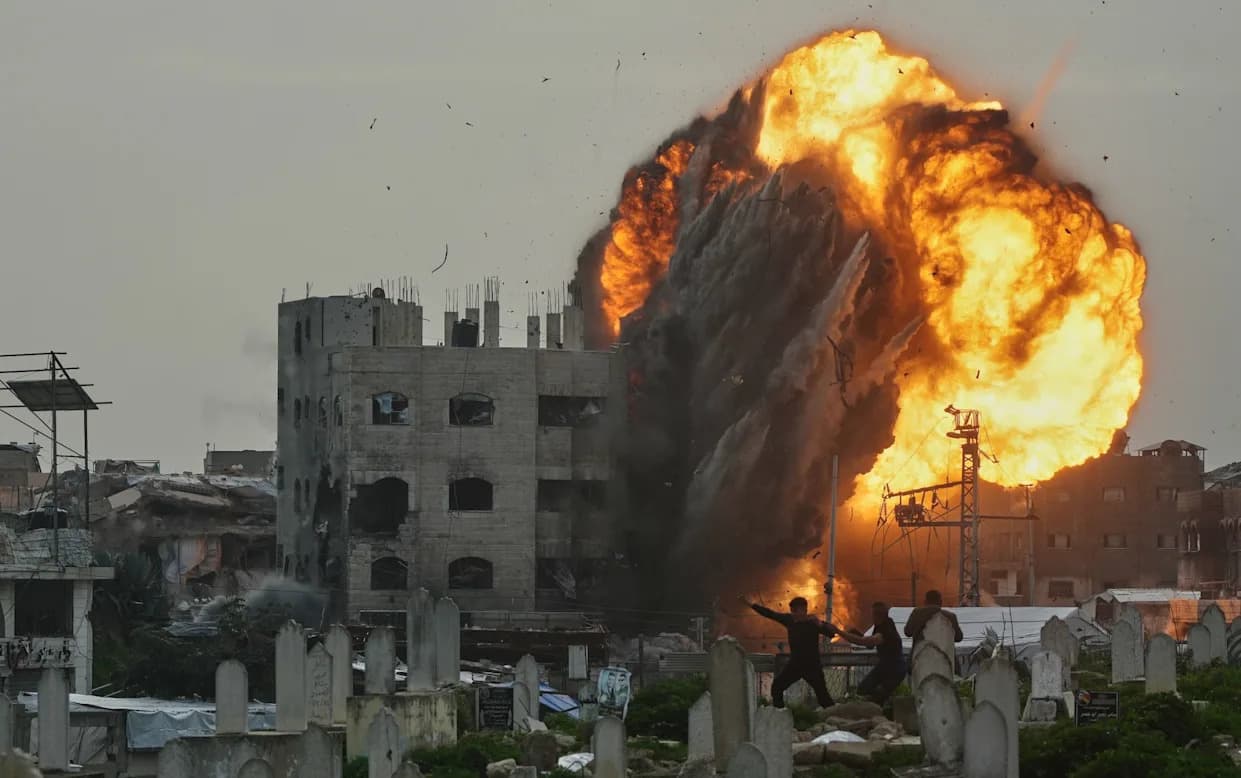
A damaged kindergarten on Oct. 22, 2025, in Kharkiv, Ukraine, following a drone attack.Sergey Bobok/AFP via Getty Images
Forced Relocation and Identity Erasure
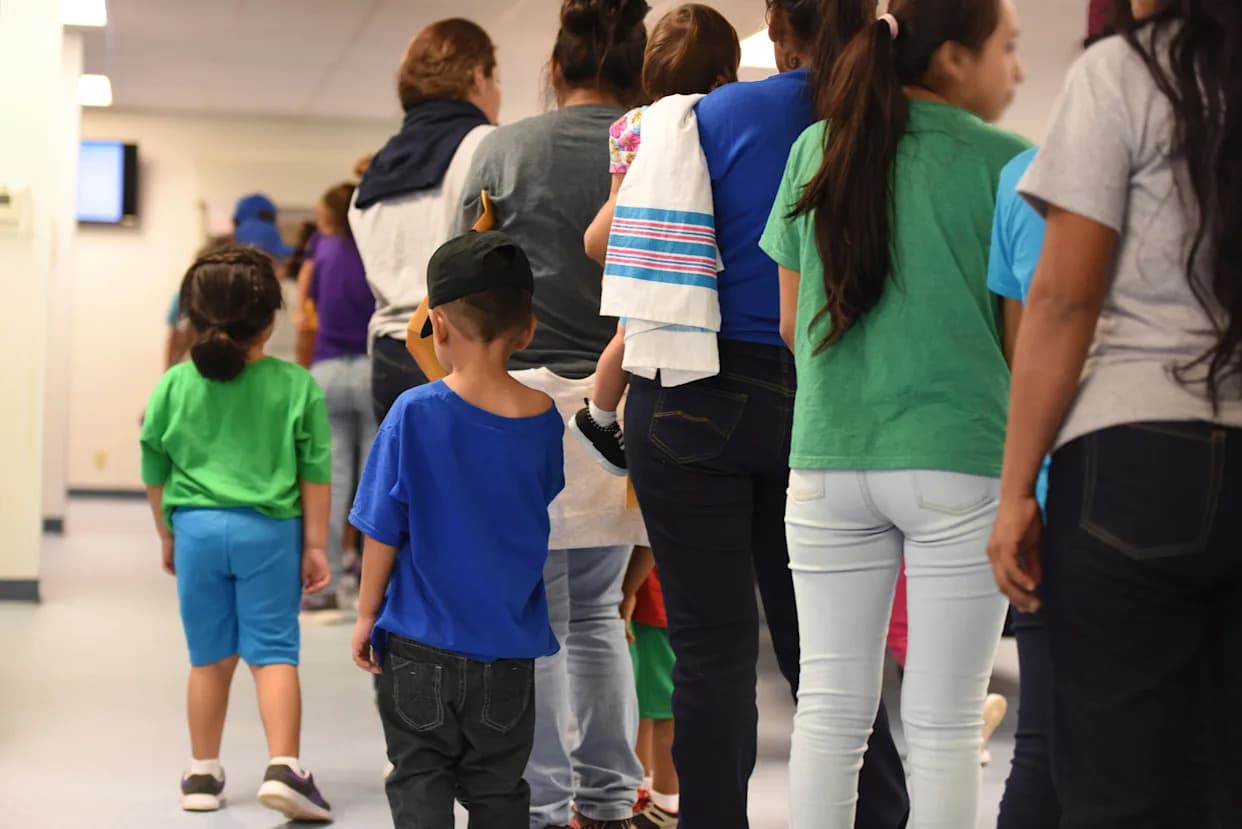
Perhaps the most alarming tactic is the large-scale forced relocation and adoption of Ukrainian minors. The International Criminal Court has issued arrest warrants that name Vladimir Putin and Russia's commissioner for children's rights in connection with the unlawful deportation of Ukrainian children to Russia. Investigations by the Yale School of Public Health's Humanitarian Research Lab and others have identified more than 19,000 children separated from their families; the actual number may be substantially higher. Fewer than 2,000 of these children have been located and returned.
Some relocated children have been placed in camps that function as re-education centers; others have been adopted into Russian households and issued new names, documents and identities. The psychological and social trauma of separation and identity erasure is profound and long-lasting for children and their families.
What Is at Stake
If a peace agreement effectively validates territorial annexation or permanent occupation, it would institutionalize policies that international organizations document as war crimes and severe violations of children's rights. Such a settlement would risk raising a generation that is alienated from Ukrainian language, history and civic life — with consequences for Ukraine's democratic future and regional stability.
What Should Be Done
The United States, European partners and other governments should refuse to endorse any peace arrangement that legitimizes unlawful territorial claims or consolidates policies that target children’s identity, health and education. International humanitarian law protects civilians and children; accountability, humanitarian access, and robust monitoring must be central to any diplomatic effort.
Over nearly four years of conflict, humanitarian actors and Ukrainian communities have demonstrated extraordinary resilience. Protecting the rights, health and education of children must be a nonnegotiable component of any durable peace — because the wellbeing and identity of today’s children shape Ukraine’s future.
Sources: UNICEF, World Health Organization, Human Rights Watch, International Criminal Court, Yale School of Public Health Humanitarian Research Lab.
Help us improve.