The U.S. has threatened to block sanctioned oil tankers bound for Venezuela, a move that could deepen an already severe national crisis. Many Venezuelans said the announcement increased anxiety but continued daily routines amid chronic shortages. Experts warn a full blockade could cause a sharp economic contraction because oil provides about 90% of Venezuela’s export revenue. U.S. officials allege oil revenues fund criminal activity but have not publicly substantiated those claims.
U.S. Threatens Oil Blockade On Venezuela — Locals Report Anxiety While Daily Life Carries On

A man looks out at the sea in the city of La Guaira, Venezuela, where the nation's flag flies, Wednesday, Dec. 17, 2025. (AP Photo/Ariana Cubillos)(ASSOCIATED PRESS)
Caracas, Venezuela — U.S. President Donald Trump has threatened to block sanctioned oil tankers bound for Venezuela, a move that could deepen the country's already severe political, social and economic turmoil.
Hardened by years of crisis, many Venezuelans said the announcement on Tuesday heightened a collective unease about the nation's future, even as day-to-day life continued amid persistent shortages of food, fuel and other essentials.

FILE - President Nicolas Maduro addresses supporters during a rally marking the anniversary of the Battle of Santa Ines, which took place during Venezuela's 19th-century Federal War, in Caracas, Venezuela, Wednesday, Dec. 10, 2025. (AP Photo/Ariana Cubillos, File)(ASSOCIATED PRESS)
“We’ve already had so many crises, shortages of so many things — food, gasoline — that one more ... well, one doesn’t worry anymore,” said Milagro Viana as she waited for a bus in Caracas.
On Tuesday, Trump said he had ordered a blockade of all “sanctioned oil tankers” to Venezuela, intensifying pressure on President Nicolás Maduro. The U.S. has previously deployed naval assets to the region; officials say a tanker was seized off Venezuela’s coast last week after a buildup of forces.
Why the Blockade Matters
Venezuela holds the world’s largest proven oil reserves but currently produces roughly 1 million barrels per day. Oil accounts for about 90% of the country’s exports and is the main source of foreign currency. Experts warn that halting oil shipments would sharply curtail revenue and could precipitate a severe economic contraction.
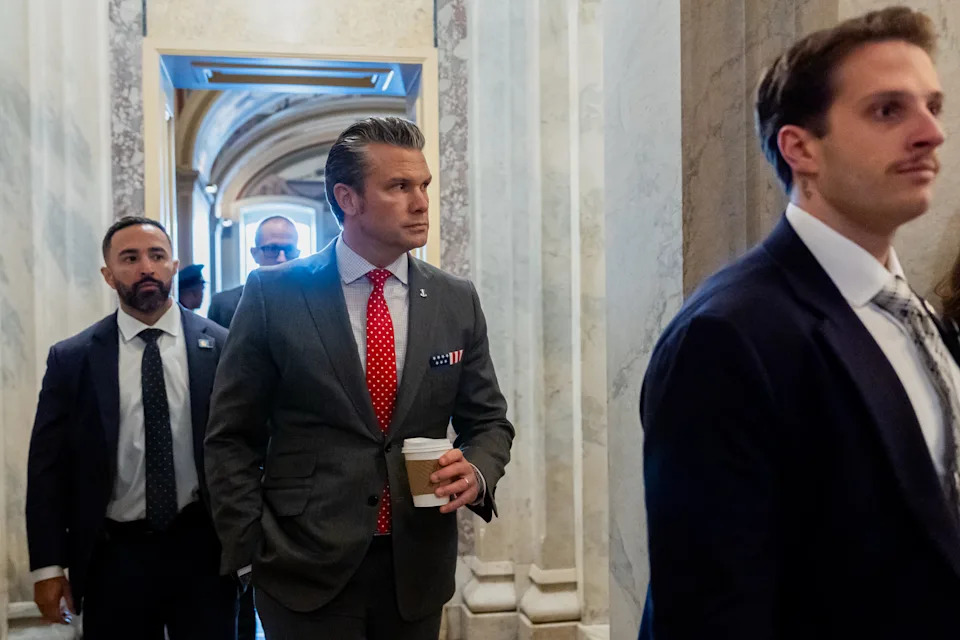
Defense Secretary Pete Hegseth departs the Capitol after briefing members of Congress on military strikes near Venezuela, Tuesday, Dec. 16, 2025, in Washington. (AP Photo/Julia Demaree Nikhinson)(ASSOCIATED PRESS)
“This is a country that traditionally imports a lot, not just finished goods but most intermediate goods — everything from toilet paper to food containers,” said David Smilde, a Tulane University professor who has studied Venezuela for more than three decades. “If you don’t have foreign currency coming in, that just brings the whole economy to a halt.”
In announcing the blockade on social media, Trump alleged that Venezuela uses oil revenue to fund drug trafficking and other crimes. He also said the military buildup would remain in place until Venezuela surrendered oil, land and other assets to the United States. U.S. officials did not provide public evidence supporting those specific allegations in the announcement.
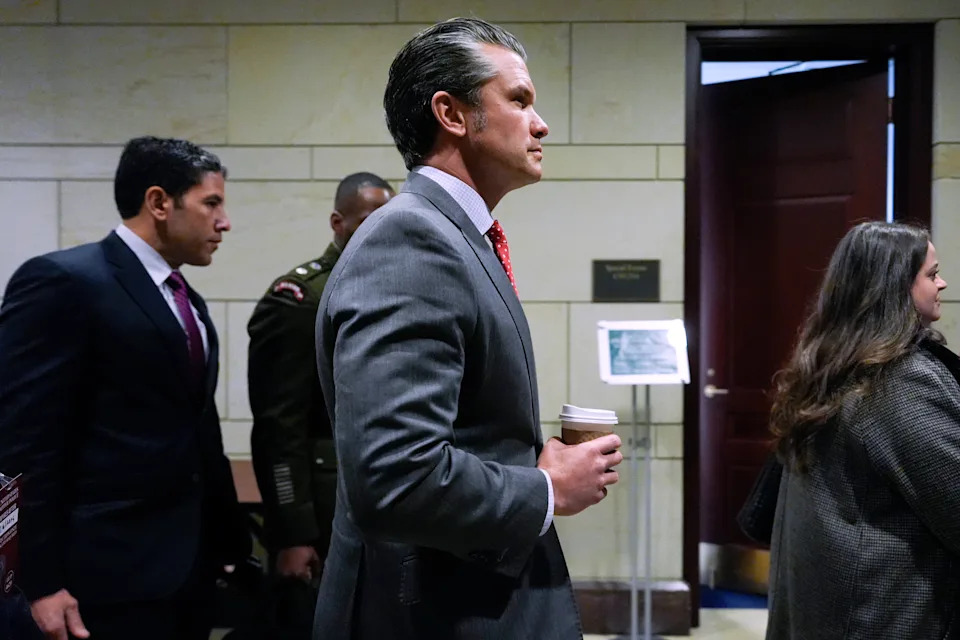
Defense Secretary Pete Hegseth arrives to brief members of Congress on military strikes near Venezuela, Tuesday, Dec. 16, 2025, at the Capitol in Washington. (AP Photo/Julia Demaree Nikhinson)(ASSOCIATED PRESS)
Sanctions, Smuggling and Global Supply Chains
Since the Trump administration first imposed extensive oil sanctions on Venezuela in 2017, the Maduro government has at times used sanctioned tankers and opaque shipping arrangements to move crude into global markets. A full blockade would complicate those channels further and could have ripple effects on regional shipping and energy markets.
For many Venezuelans, the immediate impact will be on the availability of goods and the ability of businesses to import essential supplies. For policymakers and markets, the larger questions are how strictly a blockade would be enforced, what legal and diplomatic routes remain, and how other countries and companies would respond.
Help us improve.