
The CSIRO-deployed Argo float drifted for two-and-a-half years and spent roughly nine months under the Denman and Shackleton ice shelves before recovery. It returned first-of-its-kind temperature and salinity profiles from the seafloor to the base of East Antarctic ice shelves. Analysis shows warm water reaching beneath the Denman ice shelf (driving basal melt) while Shackleton shows no similar intrusion, underscoring risks to Totten Glacier and the importance of under-ice ocean data for sea-level projections.
Lost Argo Float Recovered From Antarctic Ice Yields First‑Of‑Its‑Kind Ocean Data

A view of the land and sea in Antarctica - Oleksandr Matsibura/Shutterstock
An autonomous Argo profiling float deployed by Australia's CSIRO has been recovered after an unexpected two-and-a-half-year drift through Antarctic waters. The instrument—intended to sample near the Totten Glacier—spent roughly nine months beneath the Denman and Shackleton ice shelves and returned unprecedented temperature and salinity profiles from the seafloor to the ice base.
What Is An Argo Float?
Argo floats are untethered robotic instruments that drift with ocean currents, periodically diving to collect vertical profiles of temperature and salinity and then surfacing to transmit data by satellite. They can descend up to about two kilometres (≈1.2 miles) and typically surface every ~10 days. Argo networks are central to tracking how the oceans store heat—about 90% of the excess heat added to the planet over recent decades has been absorbed by the oceans.
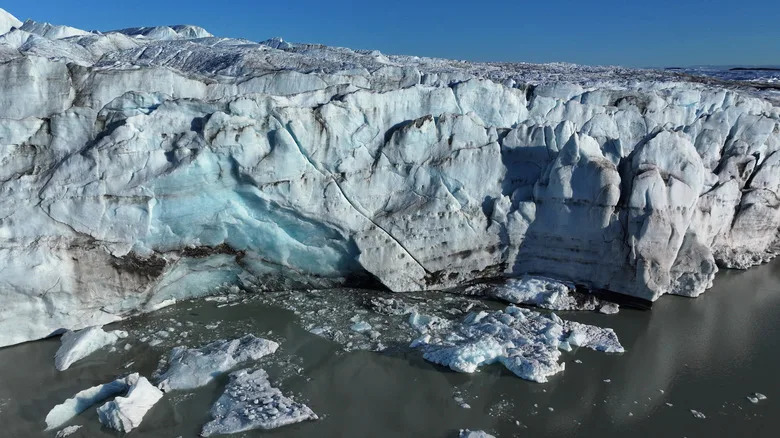
An aerial view of a glacier - Sean Gallup/Getty Images
The Unexpected Voyage
The float was deployed to sample waters adjacent to the Totten Glacier in East Antarctica but drifted into the Denman region and then under the Denman and Shackleton ice shelves. Trapped beneath thick ice, it could not surface to relay measurements in real time. When recovered, the instrument provided continuous temperature and salinity records from the seafloor up to the base of the ice shelves—data that are the first of their kind from beneath East Antarctic shelves.
How Scientists Reconstructed Its Path
Because GPS fixes were not available for many measurements while the float was under ice, researchers reconstructed a likely path by combining depth readings recorded each time the float bumped the ice with satellite observations and oceanographic context. Those 'bump' depth points allowed scientists to place the profiles in space with reasonable confidence.
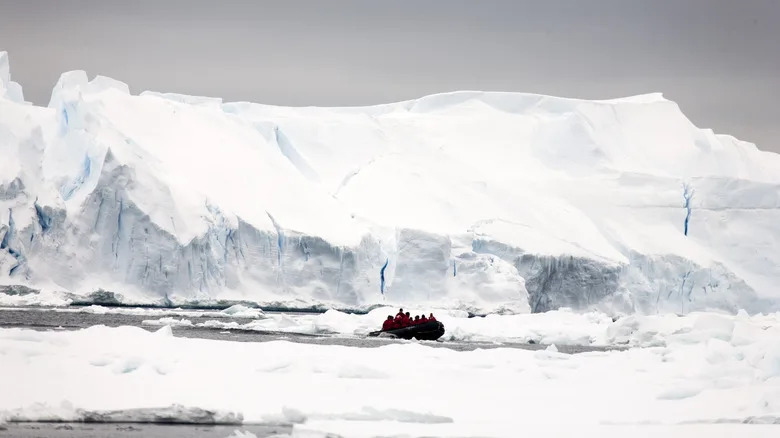
A group of people in an inflatable raft near an ice shelf in Antarctica - Michel Setboun/Getty Images
Key Findings
The recovered records reveal mixed but important results: the Shackleton ice shelf currently shows no evidence of warm-water intrusion, while the Denman region is being exposed to warmer waters that are driving basal melt at the Denman Glacier. The Totten Glacier also remains vulnerable based on the broader ocean conditions sampled. These observations help constrain how ocean heat reaches the base of ice shelves—critical information for projecting Antarctic mass loss and future sea‑level rise.
Why This Matters
Ice shelves act as buttresses, slowing the flow of grounded glaciers into the sea. If warm ocean water reaches the base of these shelves and weakens them, more land ice can flow seaward and raise global sea levels. The float's accidental, unsupervised mission has provided rare, high-value measurements from an environment humans cannot directly access—improving models of ice–ocean interaction and the risks to coastal communities worldwide.
Bottom line: An unsung robotic float delivered a scientific windfall—unique under-ice measurements that sharpen understanding of East Antarctic vulnerability and the ocean processes that can drive sea-level rise.


