Quarries in the occupied West Bank continue producing Jerusalem stone even as the Palestinian economy collapses. Operators warn their livelihoods face threats from equipment seizures, settlement expansion and tightened Israeli movement restrictions after October 2023. The sector represents about 4.5% of Palestinian GDP, employs nearly 20,000 people and is heavily dependent on exports to Israel. Workers report serious health problems and growing uncertainty about the future.
Jerusalem Stone Keeps Selling — West Bank Quarries Struggle Amid Economic Collapse

Quarry work in the occupied West Bank is tough, but there are few other options available in the territory's wilting economy (JOHN WESSELS)(JOHN WESSELS/AFP/AFP)
Despite a sharp downturn in the Palestinian economy, quarries in the occupied West Bank continue to produce Jerusalem stone — the pale limestone that has shaped the region’s architecture for millennia. Operators say the industry still brings revenue, but mounting restrictions, rising costs and political uncertainty are squeezing livelihoods and threatening the sector’s future.
Quarries Under Pressure
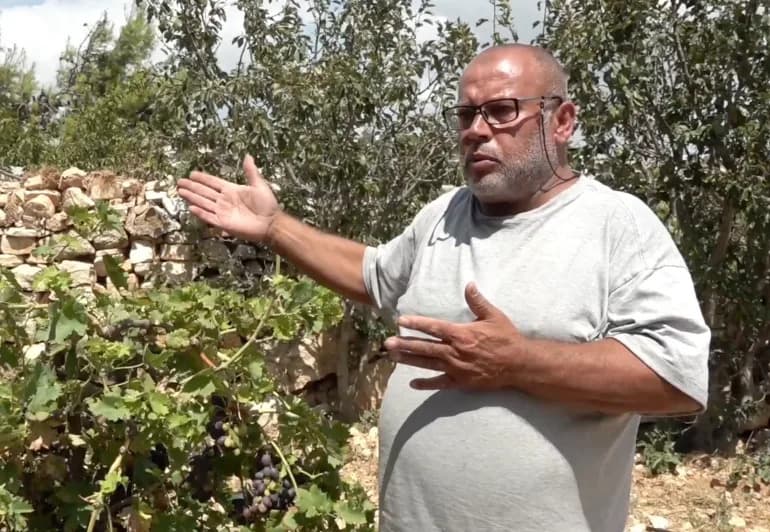
At a quarry near Beit Fajjar, south of Hebron, owner Faraj al-Atrash gestures toward an armada of machines cutting into vast faces of dusty white rock. "This is the main source of revenue for the entire region," he says, but adds: "Our livelihood is constantly under threat." Operators cite the risk of equipment confiscation, the expansion of nearby settlements and a broader Palestinian fiscal crisis that has reduced local demand and public-sector wages.
Economic and Market Impacts
The war in Gaza, triggered by Hamas’s October 2023 attack on Israel, aggravated an economy already in trouble. A late-November report from the United Nations Conference on Trade and Development (UNCTAD) described the Palestinian territories as "currently going through the most severe economic crisis ever recorded." Quarry operators say hundreds of recently installed checkpoints have paralysed commercial transport, and a halt to permits for West Bank Palestinians to work in Israel has further reduced household incomes and demand for construction materials.
Sector Scale and Export Dependence
Quarrying accounts for about 4.5% of Palestinian GDP and employs nearly 20,000 people, according to the Hebron Chamber of Commerce. Operators estimate roughly 65% of exports traditionally went to the Israeli market, where some municipalities mandate use of Jerusalem stone — a reliance that has left the industry vulnerable since October 7, 2023.
Control, Settlements and Area C
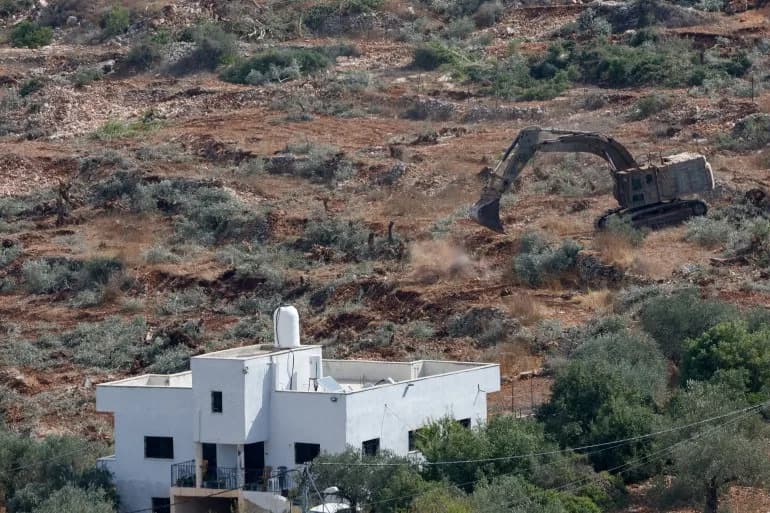
Most of the estimated 300 quarries in the West Bank are located in Area C, territory under full Israeli control that also contains the bulk of Israeli settlements. Operators worry that settlement expansion and any future political moves toward annexation would further restrict access to sites, increase land disputes and raise the threat of equipment seizures.
Human Cost and Working Conditions
The physical toll on quarry workers is severe. Labourers described chronic back pain, respiratory and eye problems from prolonged exposure to stone dust. Many took quarry jobs after losing public-sector wages; one former geography teacher said he only found work at a quarry after his salary stopped. "We are working ourselves to death," Atrash said, pointing to men whose clothing and skin are coated in white dust.
Outlook
Operators call for diversified markets and greater regional demand, noting limited purchases from some Arab states. For now, the industry is caught between steady international demand for Jerusalem stone and mounting operational, political and health challenges on the ground. With public finances strained and market access curtailed, quarry owners and workers say the future looks uncertain.
Key quotes: "People have no money, and those who do are afraid to build," said Laith Derriyeh, a stonemason. "We call it white gold — but today everything is complicated."
Help us improve.