Elie Honig, CNN senior legal analyst, said President Trump’s executive order labeling fentanyl a "weapon of mass destruction" is symbolic and has no independent legal effect. Trump announced the order from the Oval Office amid U.S. strikes on vessels alleged to be involved in drug trafficking. Legal experts have questioned the authority for those strikes, which reports say have killed at least 90 people. Honig explained that federal law, not a presidential label, defines weapons of mass destruction and that courts, not the executive alone, determine legal consequences.
‘Completely Meaningless’: CNN Legal Analyst Slams Trump’s Fentanyl 'Weapon of Mass Destruction' Designation
CNN senior legal analyst Elie Honig sharply criticized President Donald Trump’s move to label fentanyl a "weapon of mass destruction," saying the designation is symbolic and carries no independent legal force.
What Trump Announced
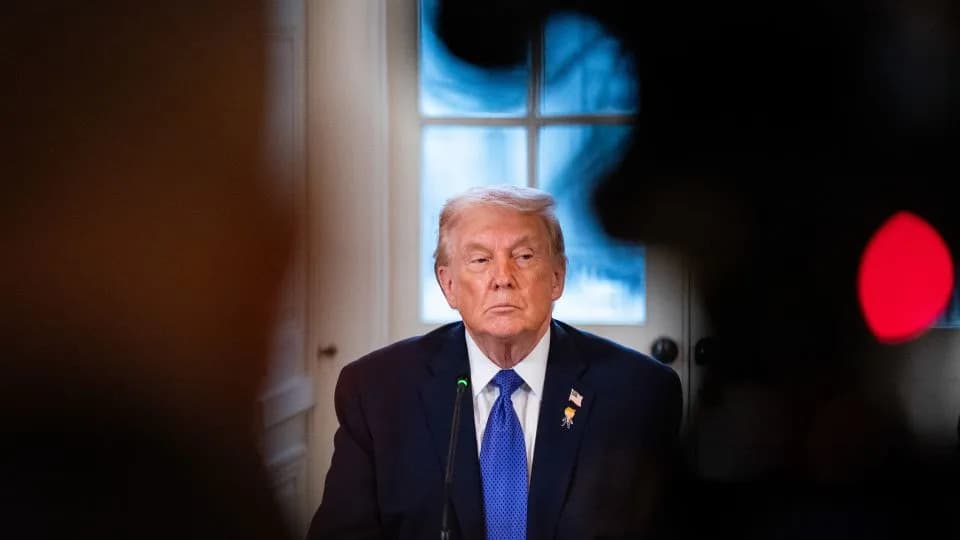
Speaking from the Oval Office, Trump said he would sign an executive order classifying fentanyl as a weapon of mass destruction, arguing that foreign adversaries traffic the opioid into the United States "in part because they want to kill Americans." He framed the influx of fentanyl as a severe national threat.
Context: Strikes And Tensions
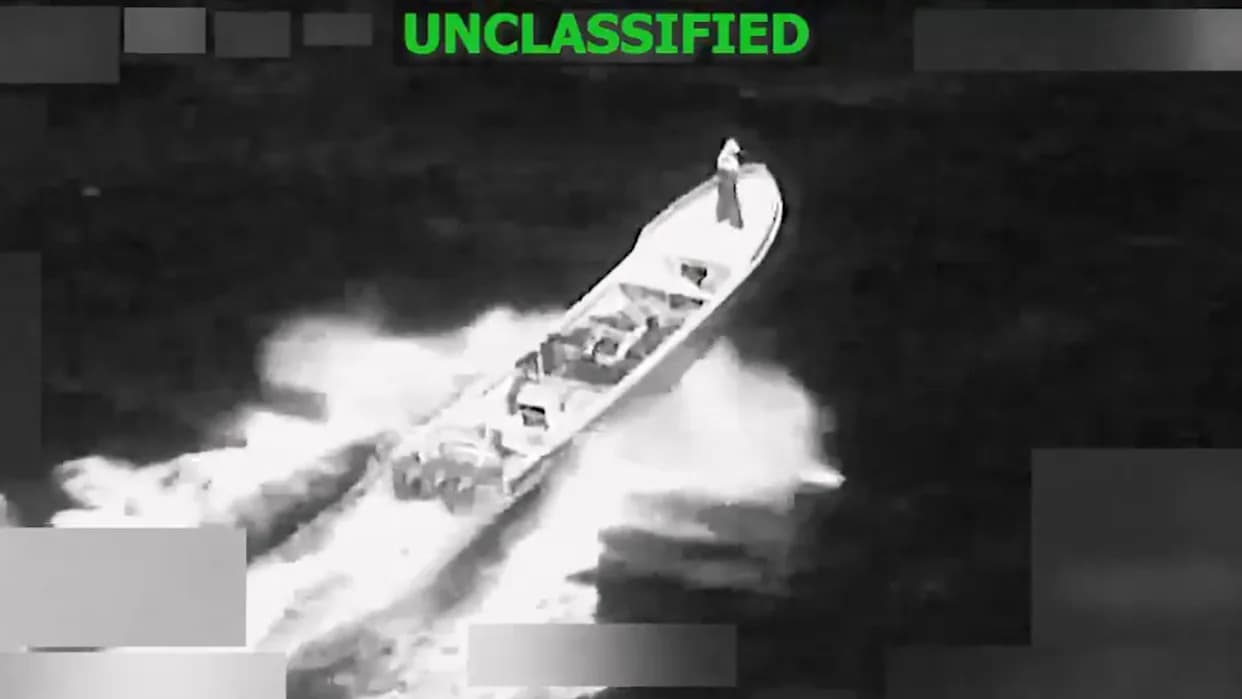
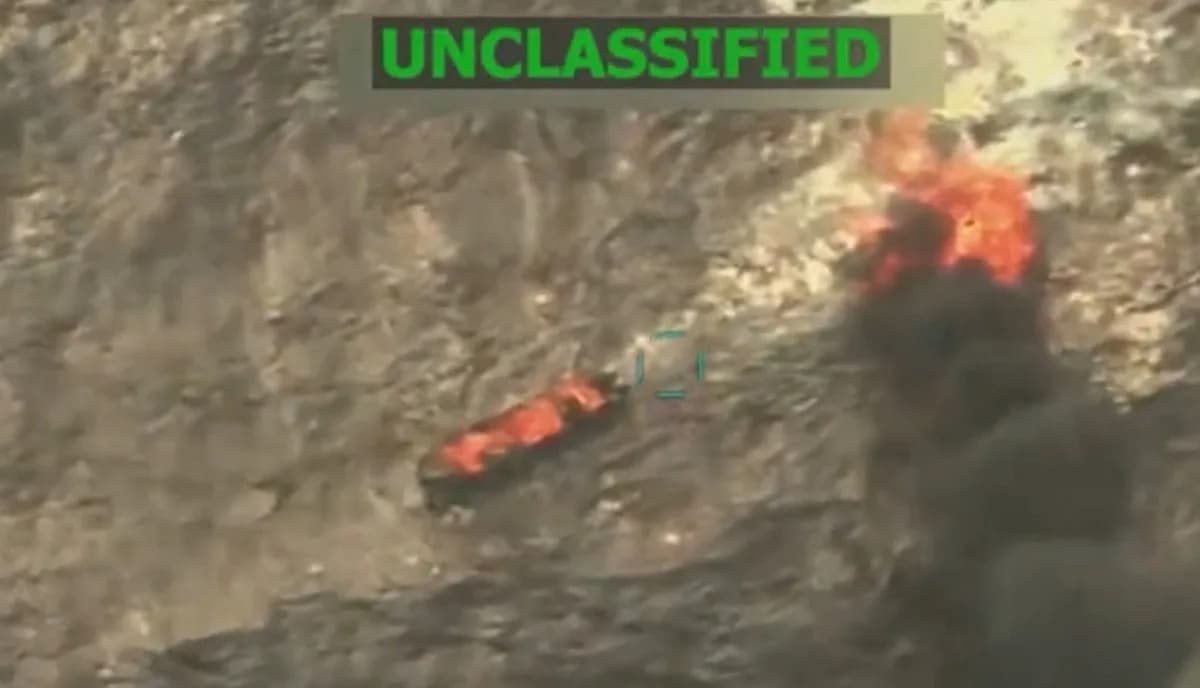
The announcement comes as U.S. forces have carried out strikes against vessels they allege were involved in drug trafficking in the Caribbean and the Pacific. Officials have pointed to boats they say originated from Venezuela, though Venezuela is not known to produce fentanyl. The administration also recently seized a Venezuelan oil tanker amid escalating tensions with the South American government.
Reports say the strikes have killed at least 90 people overall. On Monday night, the administration announced additional strikes on three Pacific vessels; U.S. Southern Command reported eight deaths in that action but did not specify the vessels’ origins.
Honig’s Legal Assessment
“No. It is completely meaningless. It’s symbolic. Federal law defines what a weapon of mass destruction is — generally an incendiary device, something that explodes, shoots, or disseminates poison,” Honig said. “Crimes involving WMDs carry severe penalties, including life in prison or even death if someone dies. But the president calling drugs WMDs has zero legal effect. It’s for judges to decide case by case. Saying a slingshot is a firearm doesn’t make it a firearm for legal purposes.”
Honig, a former federal prosecutor, emphasized that federal statutes set the definition and penalties for weapons of mass destruction. A presidential declaration does not, by itself, change statutory definitions, criminal penalties, or the jurisdiction of courts. Any change to how the law treats fentanyl would require action by Congress or would have to be tested and upheld in the courts.
Legal And Policy Implications
Legal experts have raised questions about the authority for recent strikes on suspected trafficking vessels. Critics say such operations raise complex issues under domestic law and international law. Supporters of the administration argue strong measures are necessary to combat the opioid epidemic, which is driven largely by illicitly manufactured fentanyl and has been linked to a sharp rise in overdose deaths in the United States.
Bottom line: The executive order — and the rhetoric around it — may carry political weight, but, according to legal experts interviewed on CNN, it does not, on its own, alter existing legal definitions or create new criminal penalties.
Help us improve.