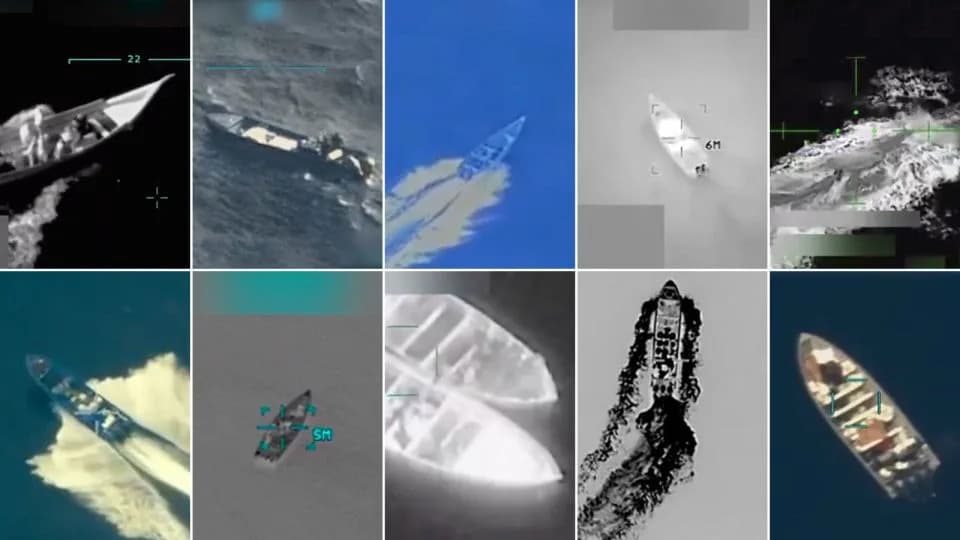
The U.S. military says strikes on vessels accused of drug trafficking have now resulted in 126 deaths, including 10 people presumed lost at sea. The count covers 36 attacks since early September across the Caribbean and eastern Pacific. The campaign, defended by the Trump administration as part of an "armed conflict" with cartels, has prompted legal and strategic criticism—particularly after a follow-up strike reportedly killed survivors of an initial attack.
U.S. Maritime Drug Strikes Now Tied to 126 Deaths; Legal and Strategic Questions Raised
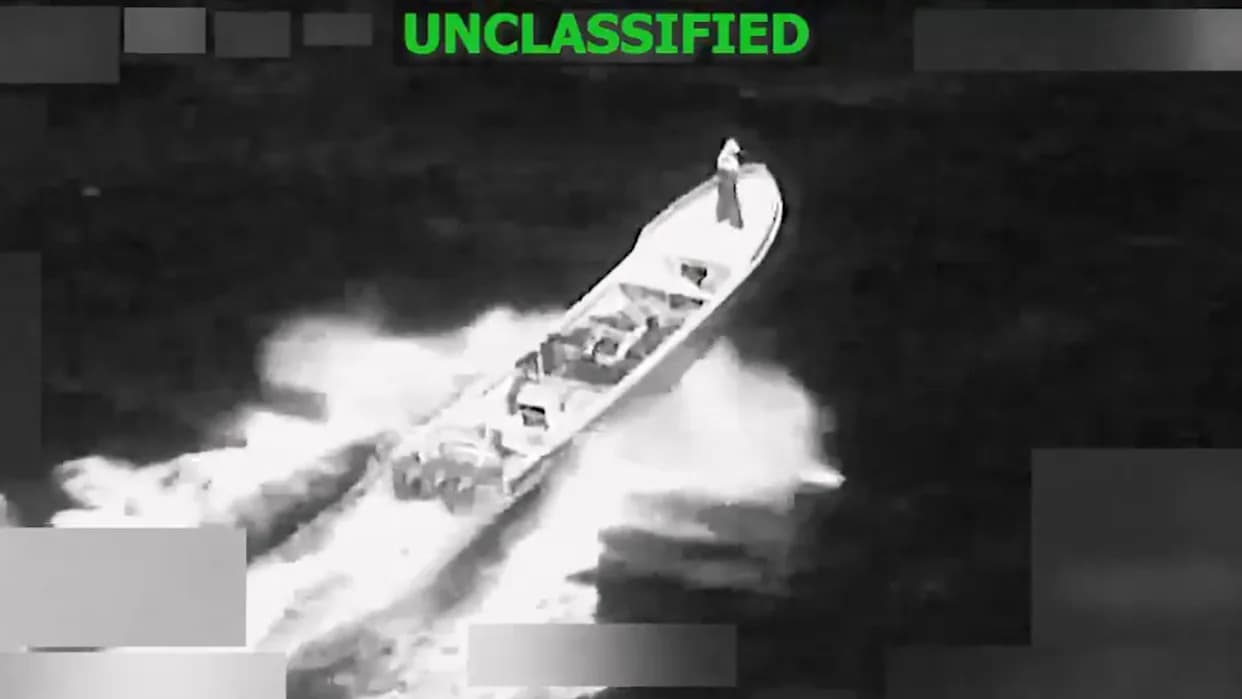
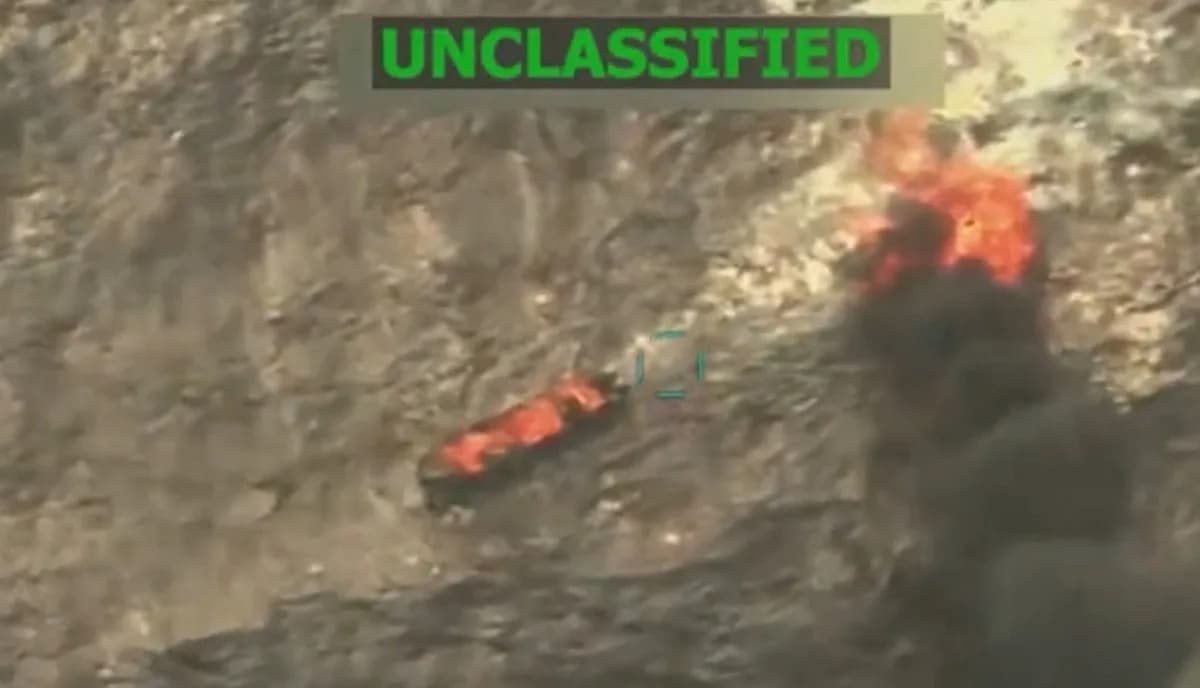
This image from video provided by U.S. South Command, shows a vessel accused of trafficking drugs in the eastern Pacific Ocean shortly before it was destroyed by the U.S. military, killing two and injuring one, on Jan. 23, 2026. (U.S. Southern Command via AP)(ASSOCIATED PRESS)
The U.S. military confirmed Monday that the death toll from strikes on vessels accused of trafficking drugs has risen to 126, after authorities included those presumed lost at sea.
Updated Toll and Incident Details
U.S. Southern Command said the total includes 116 people who were killed immediately in at least 36 separate attacks carried out since early September across the Caribbean Sea and the eastern Pacific Ocean. An additional 10 people are classified as presumed dead because search teams did not find them after strikes.
Officials said eight of those presumed dead jumped from boats when U.S. forces struck a group of three vessels alleged to be trafficking drugs on Dec. 30; that specific number was not previously disclosed. Two other presumed fatalities were connected to attacks on Oct. 27 and a more recent strike on Friday. The military statement did not provide further operational details beyond the updated count.
Political, Legal and Ethical Fallout
President Donald Trump has described the U.S. posture as being in an "armed conflict" with drug cartels in Latin America and has defended the maritime strikes as a necessary escalation to curb the flow of illicit drugs. However, the administration has released limited public evidence to support claims that those killed were "narcoterrorists," prompting scrutiny from legal experts and Democratic lawmakers.
Critics have challenged both the legality and effectiveness of the campaign. They note that much of the fentanyl linked to fatal overdoses reaches the U.S. overland from Mexico, where it is produced using precursor chemicals imported from China and India, raising questions about whether maritime strikes will substantially disrupt the supply chain.
The operation drew intense criticism after revelations that survivors of an initial boat attack were killed by a follow-up strike. Supporters, including many Republican lawmakers and the administration, argued follow-up strikes were lawful and necessary; opponents called the actions possibly unlawful, even amounting to murder or a war crime in some experts' view.
Broader Context and Next Steps
The boat strikes began amid a major U.S. military buildup in Latin America, a pressure campaign that the administration says culminated in the capture of Venezuelan President Nicolás Maduro, who was brought to the United States to face drug-trafficking charges after a Jan. 3 raid. Since Maduro's removal, U.S. forces have carried out one additional boat strike and focused attention on seizing oil tankers connected with Venezuela as part of efforts to pressure the Maduro government.
On Capitol Hill, Republicans defeated Democratic-led attempts to limit President Trump's authority to conduct further operations related to Venezuela. The updated casualty count—and the inclusion of presumed lost-at-sea victims—underscores both the human cost and the contentious nature of the expanded counter-narcotics campaign, a debate that is likely to continue in Washington and internationally.
Note: The figures and sequence of events reflect the U.S. military's most recent public statement. Independent verification of some details has not been provided by the administration.
Help us improve.