Vietnam’s decision to include Bao Ninh’s The Sorrow of War among the 50 greatest post-reunification works prompted a conservative backlash but instead triggered a buying frenzy. The novel, first published in 1987 and originally titled The Destiny of Love, offers a stark, personal account of wartime trauma that unsettles traditional heroic narratives. Sales in Hanoi rocketed, Tre Publishing has reprinted copies (15,000 this year; ~80,000 since 2011), and the book continues to find new readers at home and abroad.
Bao Ninh’s The Sorrow of War Sells Out After Viral Award Row Sparks Buying Frenzy

People in a bookstore in Hanoi after "The Sorrow of War" was honoured by Vietnam's government as one of the 50 greatest works of literature and art since reunification (Nhac NGUYEN)(Nhac NGUYEN/AFP/AFP)
When Vietnam’s government named The Sorrow of War among the 50 greatest works of literature and art since reunification, conservative commentators erupted — arguing the novel’s stark depictions of wartime suffering undercut the heroic narrative of the victors. Rather than dampening interest, the online controversy triggered a surge in demand that left many Hanoi bookshops sold out and publishers rushing to reprint.
Why the Novel Divides Opinion
First published in 1987 as The Destiny of Love, Bao Ninh’s novel is narrated by a young North Vietnamese soldier — a voice that mirrors the author’s own wartime experience in a battalion nearly wiped out. The book confronts readers with haunting images such as a "jungle of screaming souls" and the traumatic memory of the protagonist’s girlfriend being raped by fellow soldiers. Its candid portrayal of trauma and moral ambiguity won praise abroad but provoked discomfort at home, where traditional war writing often emphasizes valour and sacrifice.
From Online Outrage to Sales Boom
The book’s inclusion on the government’s 50-best list in late November reignited longstanding debates. Nguyen Thanh Tuan, a former head of the military’s propaganda department, posted on Facebook that the novel "aimed to diminish the heroism of our army" and urged the honour be rescinded — a post that drew thousands of likes and support from veterans. At the same time, critics, literary scholars and many readers defended the choice.
“If we demand that a novel function like a battle report, we are forcing literature to perform the work of another profession,”
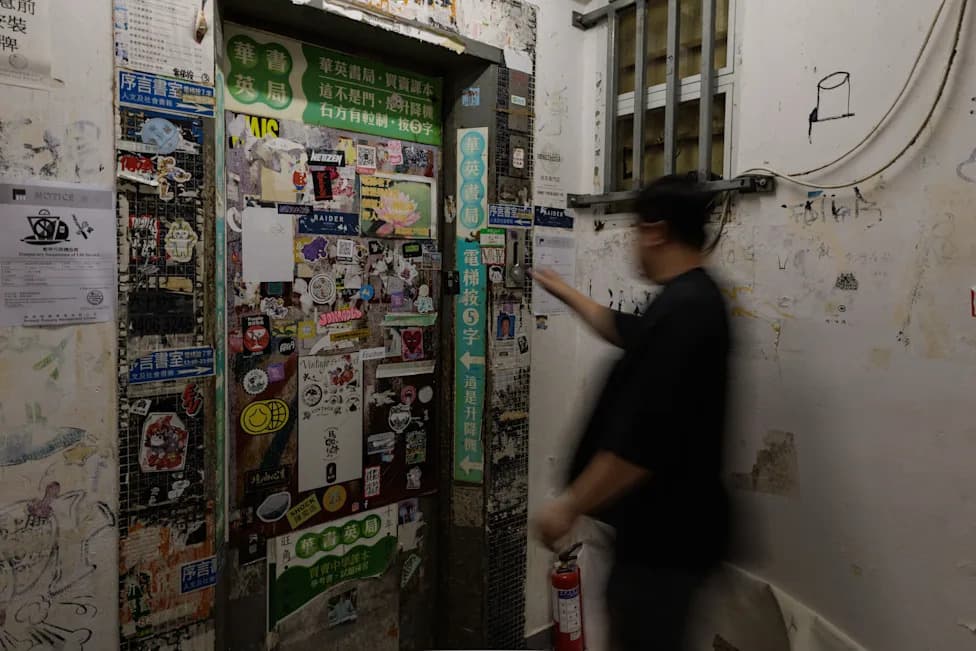
The social-media uproar amplified interest among younger readers. Several booksellers on Hanoi’s Nguyen Xi book street reported sales soaring from steady to suddenly sold out. One 25-year-old buyer, Le Hien, told AFP he only learned about the novel because of the online debate and found shops in the capital cleared of copies.
Publishers Rush to Reprint
Tre Publishing House, which holds a lifetime agreement with Bao Ninh, said the controversy prompted a flurry of orders that overwhelmed its central warehouse. An editor, Nguyen Hai Dang, told state media a reprint was already underway: Tre has printed about 15,000 copies this year and roughly 80,000 copies since 2011. The novel has also been translated into more than 15 languages and remains an international bestseller.
While the debate has reopened old social divisions about memory, heroism and the function of literature, it has also introduced Bao Ninh’s haunting work to a new generation of readers who may judge it on its literary and human merits rather than as a political test.
Help us improve.