Utah has undone a February law that barred public-sector unions — including those representing teachers, firefighters and police — from negotiating on behalf of their members. Gov. Spencer Cox signed the repeal after months of protests and mounting political pressure, and the Legislature reversed the policy during a special session. Supporters of the repeal say it cools tensions and restores workers' ability to bargain, while Republican sponsors say the issue had become divisive despite their original intentions.
Utah Repeals Controversial Ban That Barred Public-Sector Unions From Bargaining

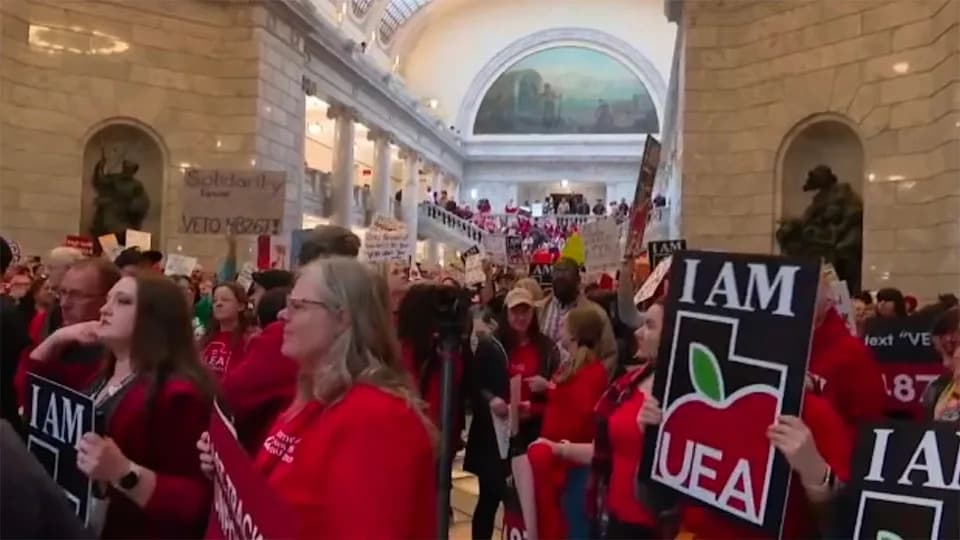
FILE - Salt Lake Education Association Vice President Chelsie Acosta cheers with other educators and union members in opposition to HB 267: Public Sector Labor Union Amendments, at the Capitol in Salt Lake City, Utah, Jan. 31, 2025. (Laura Seitz/ Deseret News via AP File)
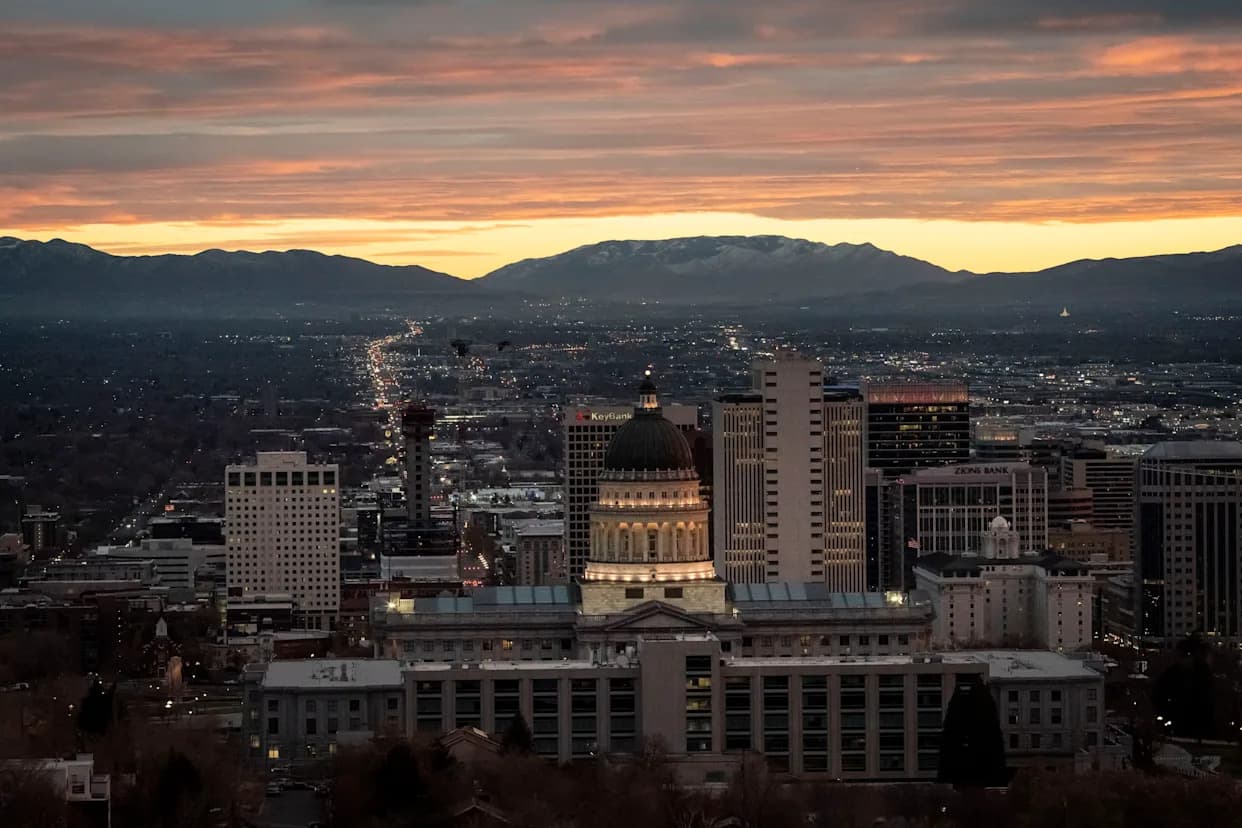
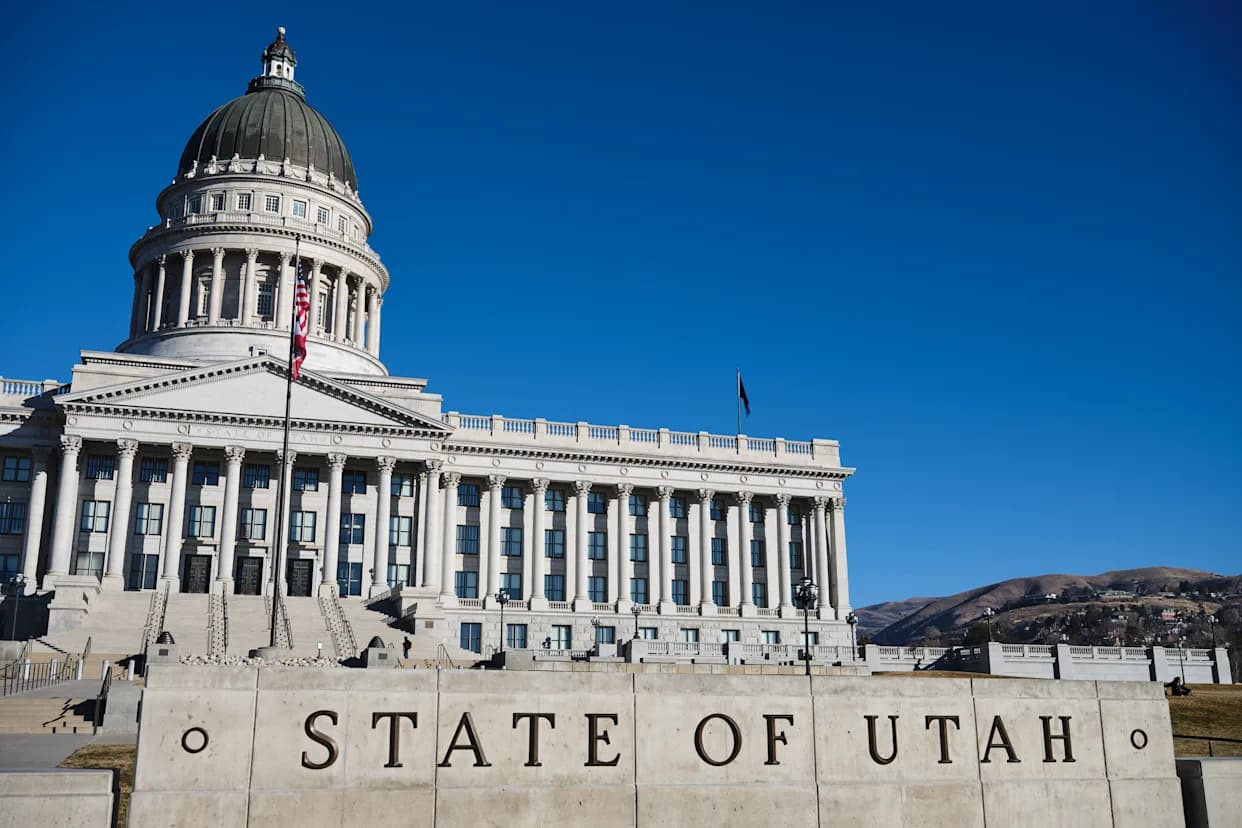
Salt Lake City — Utah lawmakers have repealed a controversial February law that prevented labor unions representing teachers, firefighters, police and other public employees from formally negotiating on behalf of their members.
Republican Gov. Spencer Cox on Thursday signed legislation undoing a policy experts called among the most restrictive in the country. The original restriction, passed by the Republican-controlled Legislature in February, prohibited public-sector unions from bargaining over wages and working conditions even though employees could still join unions.
The measure was defended at the time as a way to ensure employers could communicate directly with individual employees rather than exclusively through union representatives. But the law prompted sustained protests: thousands of union members from public and private sectors gathered outside the governor's office demanding a veto.
Reversal After Continued Pushback
Opposition persisted after the law took effect, and lawmakers called a special legislative session this month to reverse it. Republican state Rep. Jordan Teuscher, the original House sponsor, said the repeal 'allows us to step back, to lower the temperature and to create space for a clearer and more constructive conversation.' He added that while he considered the policy a good idea, it had been 'overshadowed by misinformation and unnecessary division.'
The repeal restores unions' formal ability to bargain on behalf of members over pay and workplace conditions — a capability that many public educators rely on most frequently.
Political Context And Reactions
Republican leaders signaled the move also reflects political calculations. Utah Republicans are preparing to defend four U.S. House seats in the 2026 midterms under a new congressional map that creates a heavily Democratic district in the Salt Lake City area; reversing the ban may help ease frustration among rank-and-file police officers and firefighters who often lean conservative.
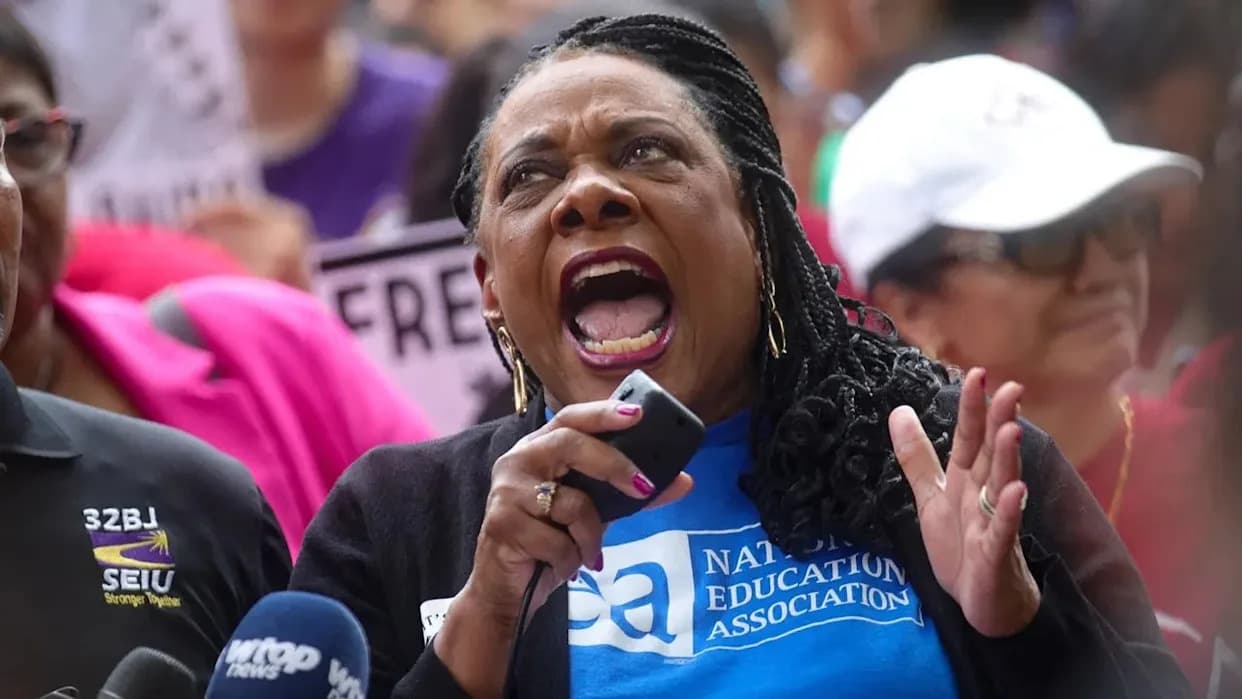
Union leaders welcomed the repeal and credited their members' organizing. Randi Weingarten, president of the American Federation of Teachers, and Brad Asay, leader of the Utah chapter, called the repeal 'a historic step in the right direction to return respect and dignity to the workers of Utah.'
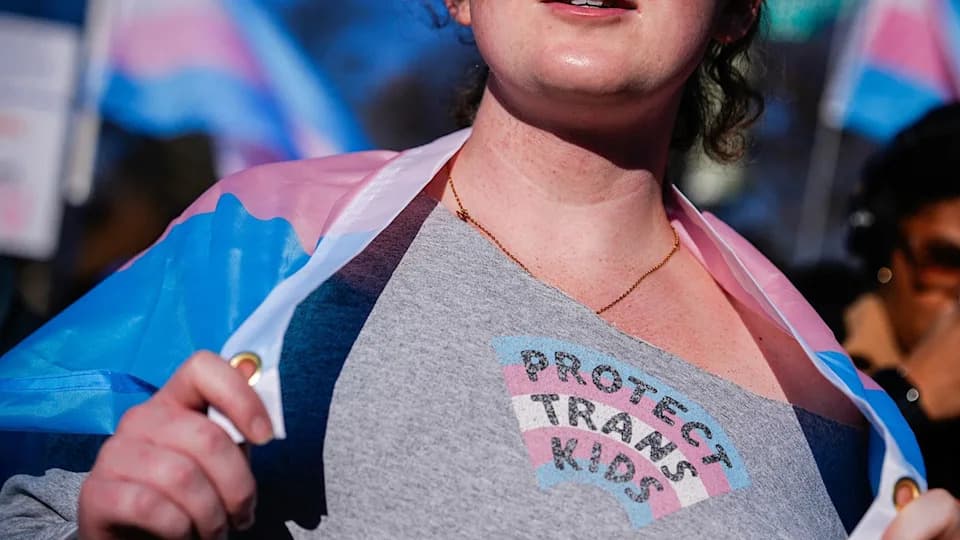
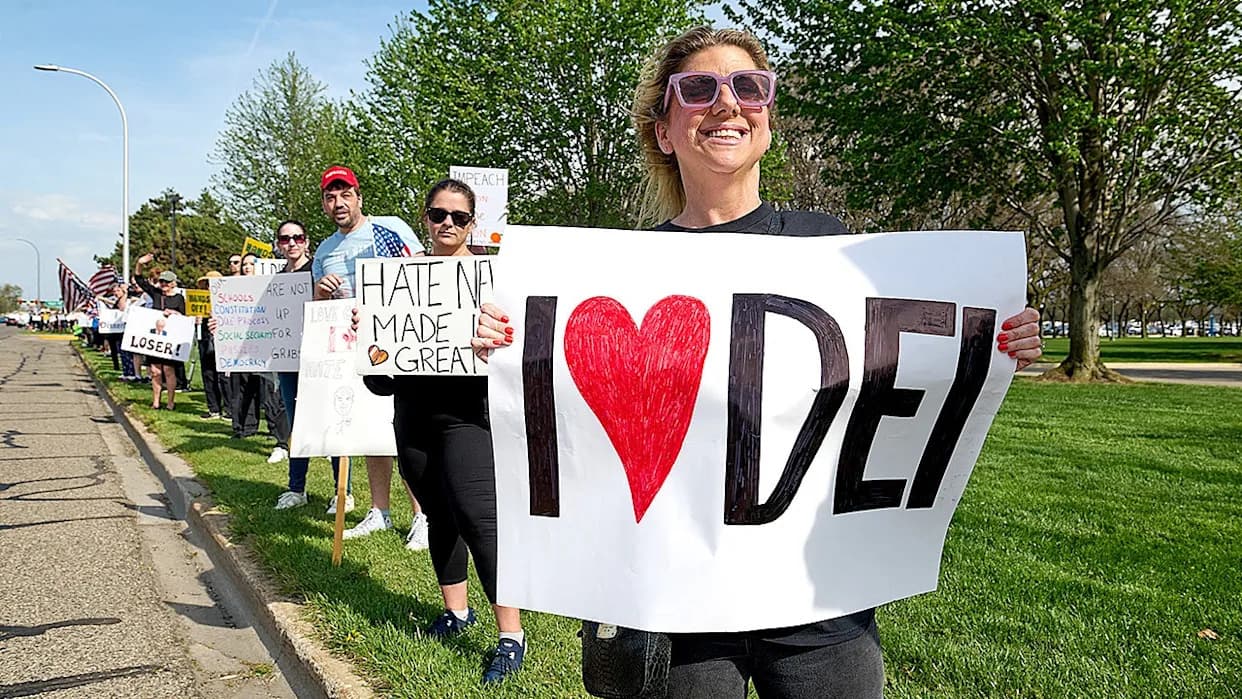
The repeal highlights tensions in several states over labor rights and education policy, where disputes over issues such as diversity and inclusion programs, school-choice vouchers and transgender students' access to facilities and sports have put teachers' unions and Republican lawmakers at odds.
Help us improve.