GLERL — NOAA’s Great Lakes lab based in Ann Arbor — provides critical data, forecasts and monitoring that keep drinking water safe, support shipping and protect $6 billion in fisheries. The lab recently marked its 50th anniversary but now faces funding and staffing shortfalls that leave some duties unmet. A former employee describes how GLERL’s work on invasive species, algal blooms, meteotsunamis and real-time lake forecasting delivers outsized public and economic benefits for a small per-household cost.
NOAA’s GLERL: Protecting the Great Lakes — But Funding Threatens Its Future

NOAA’s Great Lakes Environmental Research Laboratory (GLERL) in Ann Arbor provides essential science, forecasts and monitoring that protect drinking water, support shipping and fisheries, and improve public safety across the Great Lakes region.
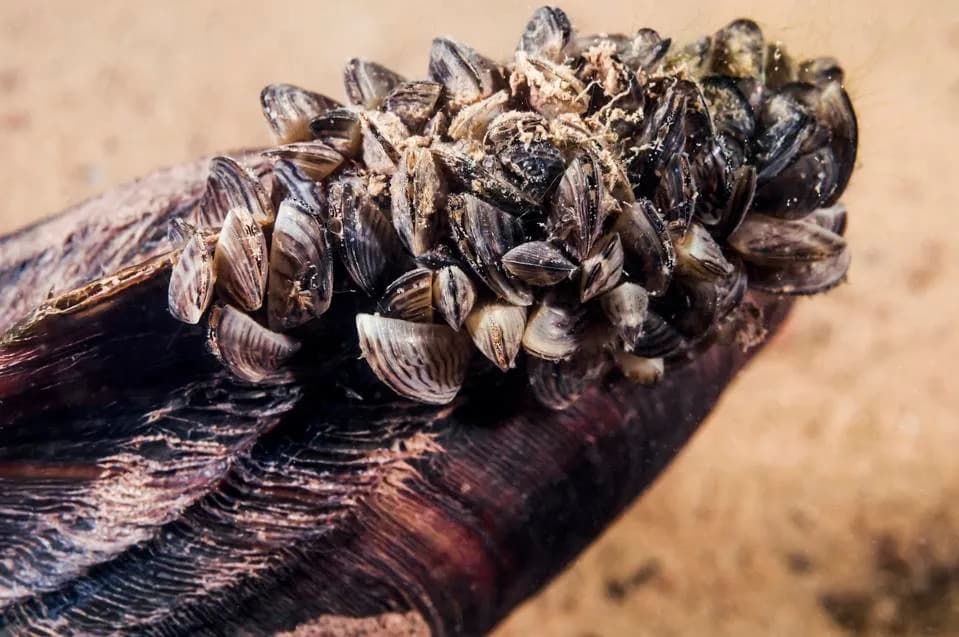
I will never forget the arrival of zebra mussels. Walking along the Lake Huron shore near our family cottage in the 1990s, my feet crunched in the sand and I remember thinking,
“What in the world is this?”My family had known that lake for decades — my great-grandparents bought the land in the 1940s — but that summer the lake felt different.
How GLERL Made a Difference
The invasion of zebra mussels altered the food web, changed water clarity and shifted the lake’s character. Regional scientists eventually identified how the mussels arrived and developed strategies to limit their spread, largely thanks to the work of GLERL. Over time, GLERL built an invasive-species program that has helped prevent new large-scale invasions for decades.
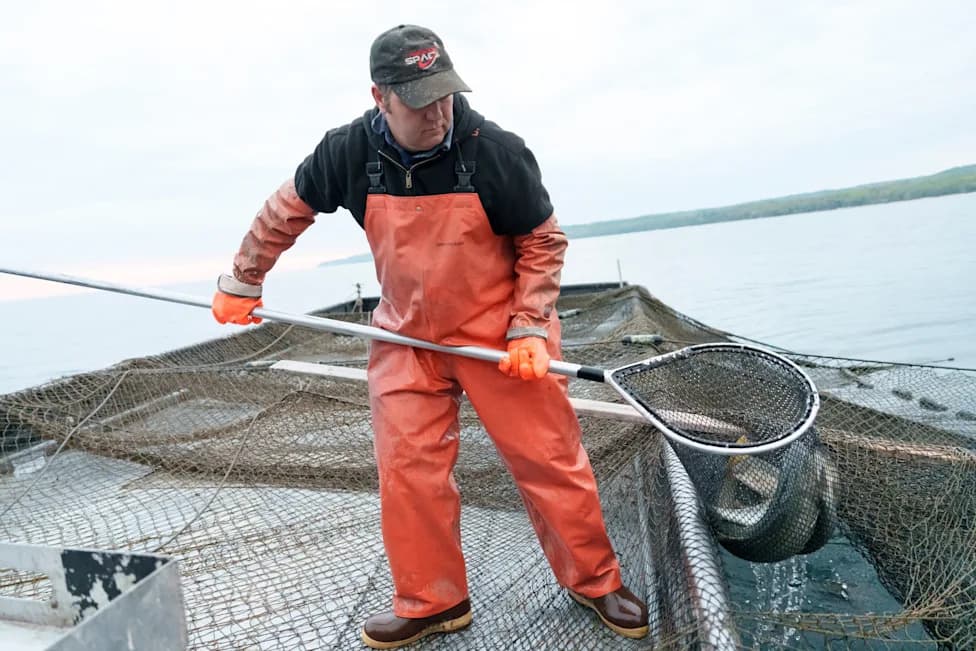
GLERL also supplies the models and real-time data that help the National Weather Service issue marine warnings, support U.S. Coast Guard search-and-rescue operations, and guide oil-spill response and containment efforts. Its ecological monitoring helps protect commercial and recreational fisheries valued at about $6 billion.
Public Safety and Water Quality
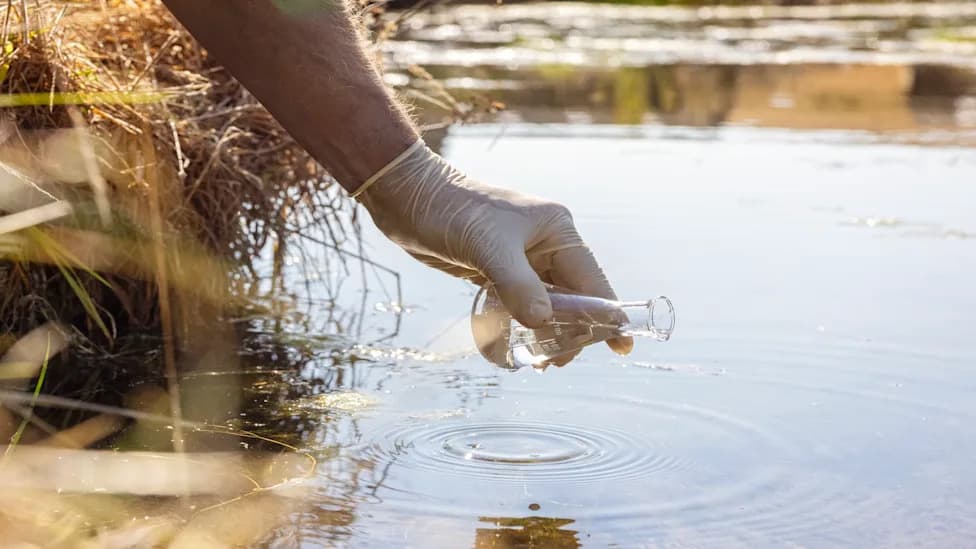
Harmful algal blooms pose a major threat to municipal drinking-water systems: toxins and mobilized heavy metals can force costly shutdowns and endanger residents. GLERL’s toxin monitoring, remote sensing and reporting capabilities have improved understanding of where the most dangerous portions of blooms concentrate and give local water-treatment managers actionable information.
Researchers at GLERL study weather-driven phenomena such as lake-effect snow and meteotsunamis — sudden surges in water level caused by atmospheric pressure changes — and work to develop improved forecasting and warning systems for the Great Lakes.
Staffing, Funding, and Real-World Costs
The lab recently celebrated its 50th anniversary, but faces an uncertain future due to federal funding and staffing cuts. Some Congressionally mandated duties are going unfulfilled because there are not enough employees to carry them out. GLERL’s work represents a small investment for households — roughly seven cents per year on average — yet delivers lifesaving data and economic benefits across the region.
I was fortunate to work at GLERL for about 10 years. It was my dream job. Last year I was promoted, but when the federal government began terminating probationary employees earlier this year, my position ended abruptly; I learned of my termination with only 90 minutes’ notice while at a doctor’s appointment. That experience underscores how staffing decisions ripple through communities and scientific programs.
Why It Matters
A loss of GLERL’s capabilities would affect millions who rely on the Great Lakes for drinking water, livelihoods and recreation. From forecasting dangerous conditions to tracking invasive species, monitoring algal blooms and supporting emergency responders, GLERL’s science underpins regional safety and economic resilience.
What readers can do: Contact your local elected officials and members of Congress to stress the importance of funding NOAA and preserving GLERL’s capacity to protect Great Lakes communities and resources.
My grandfather died before I worked at GLERL, but I wish I could have shown him the lab’s findings about the mussels. He would have been fascinated by the depth of data and research used to understand those invaders.
Help us improve.