Vietnam has accelerated reclamation at South Reef (Đá Nam) in the Spratly Islands, adding dredging, reinforced embankments and an emerging sheltered harbor and logistics area. The upgrades aim to improve resupply, short-range aviation and coast guard logistics while deliberately avoiding large-scale militarization. The move occurs amid rising regional tensions and closer Indo-Pacific cooperation; Beijing is expected to protest and step up patrols. Environmental damage and legal limits under UNCLOS complicate the strategic picture.
Vietnam Accelerates South Reef Reclamation to Bolster Presence While Avoiding Direct Confrontation With China

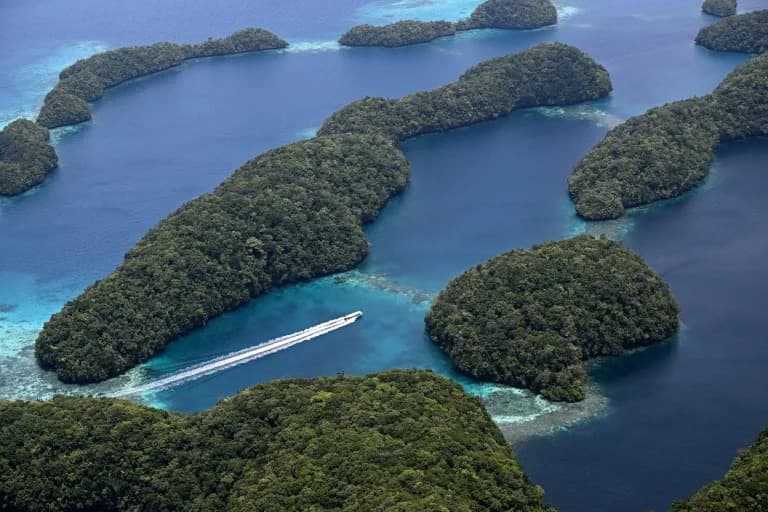
Vietnam’s defense modernization, including new coast guard vessels from the United States and Japan, requires improved forward infrastructure. Outposts such as South Reef help extend operational reach, reduce supply burdens and improve situational awareness in the contested maritime domain. File Photo by Francis R. Malasig/EPA
Dec. 11 (UPI) — Vietnam has quietly accelerated land reclamation at South Reef (Đá Nam), a coral feature in the contested Spratly Islands, signaling a strategic effort to strengthen forward logistics and surveillance while carefully avoiding direct military provocation of China.
What Satellite Imagery Shows
Analysts reviewing recent satellite imagery report substantial dredging, reinforced embankments and the early formation of what appears to be a sheltered harbor and adjacent logistics area. The work suggests Hanoi is improving facilities that could support resupply, short-range aviation and coast guard operations across the southern Spratlys.
“Vietnam has been quietly expanding multiple features for years, but the work at South Reef stands out,”
said Gregory Poling, director of the Asia Maritime Transparency Initiative at the Center for Strategic and International Studies.
Poling added that Hanoi’s actions appear intended to narrow the gap with China’s dominant presence in the South China Sea without replicating Beijing’s heavy militarization.
A Deliberate, Low-Profile Strategy
Vietnam’s reclamation at South Reef is modest when compared with China’s large-scale island-building from 2013–2016, but even limited additions of land and infrastructure can have meaningful strategic effects in a region where physical presence reinforces sovereignty claims. Officials and analysts say Vietnam is favoring dual-use, restrained facilities — docks, helipads, storm shelters, lighthouses, barracks and small administrative buildings — rather than runways and hardened missile sites.
Harrison Pretat, deputy director at the Center for Strategic and International Studies, said current imagery shows no clear evidence of sensors or long-range surveillance systems on South Reef yet, but that such upgrades are likely once reclamation is complete.
Regional Context and Diplomatic Signals
The expansion comes amid rising tensions across the South China Sea. Beijing has increased confrontations with the Philippines at Second Thomas Shoal, stepped up patrols near Malaysia’s offshore energy areas and intensified harassment of Vietnamese fishing vessels. Those developments are driving closer coordination among Indo-Pacific partners and sharpening Hanoi’s calculations about forward infrastructure.
U.S. and Australian officials recently met in Washington for annual security talks that highlighted concerns about Beijing’s expanding military footprint, tensions over Taiwan and pressure in the South China Sea — all factors shaping Vietnam’s choices.
Managing Risk With Gradual Steps
Analysts note Hanoi’s approach appears designed to remain within the spirit of regional norms such as the 2002 Declaration on the Conduct of Parties, and to avoid extending reclamation beyond features Vietnam already occupies. That gradual, incremental strategy seeks to strengthen maritime resilience while reducing the risk of sharp escalation with China.
“China and Vietnam have established channels to handle sensitive issues discreetly,”
said Yilun Zhang, a research associate at the Institute for China-America Studies.
Vietnamese officials also emphasize humanitarian and safety rationales: reefs that once hosted wooden shelters increasingly require concrete structures to withstand stronger storms and rising seas.
Likely Chinese Response and Escalation Risks
Beijing is expected to register diplomatic protests and increase patrols near the feature. China maintains broad territorial claims across the South China Sea and has shown a more assertive maritime posture in recent years — from water-cannon incidents to close trailing of survey and fishing vessels. Analysts warn that as Vietnam’s outposts become more permanent and capable, Chinese surveillance and pressure are likely to increase.
“China will see Vietnam’s expansion as a challenge to its narrative of uncontested control,”
said Nguyen The Phuong, a defense researcher at the University of New South Wales Canberra. “But Vietnam knows it must secure what it already occupies, or risk losing strategic ground.”
Environmental and Legal Considerations
Like other reclamation projects in the Spratlys, work at South Reef carries ecological costs: dredging, burial and landfilling degrade coral ecosystems already stressed by overfishing, bleaching and climate change. Marine scientists estimate more than 22,000 acres of coral have been damaged or destroyed across the broader region.
Under the United Nations Convention on the Law of the Sea (UNCLOS), land reclamation does not create new maritime entitlements, and artificial islands do not generate territorial seas or exclusive economic zones. Still, physical infrastructure strengthens administrative presence and can influence long-term dispute dynamics.
Domestic Drivers and Broader Trends
Domestic politics also help explain Hanoi’s timing: maritime sovereignty is a potent national issue in Vietnam, and forward outposts reassure fishing communities that face increasing pressure from Chinese vessels. Vietnam’s ongoing defense modernization — including new coast guard platforms acquired from partners such as the United States and Japan — also benefits from improved forward logistics and bases.
Vietnam’s South Reef reclamation is part of a broader regional trend: states across the Indo-Pacific are quietly hardening forward positions and improving resilience in response to a prolonged strategic contest that diplomacy alone has not resolved.
In short, Vietnam’s work at South Reef underscores a pragmatic strategy of strengthening presence and resilience while trying to avoid provocative militarization — a tactic likely to prompt diplomatic pushback from Beijing but designed to limit the risk of direct confrontation.
Help us improve.