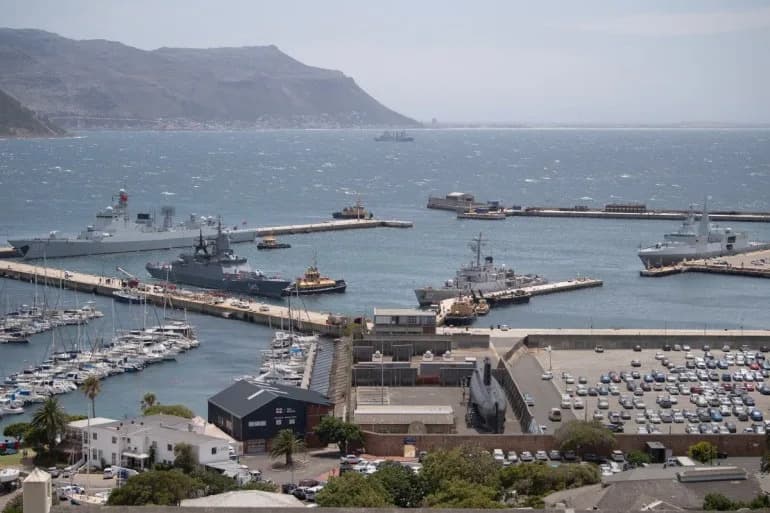
South Africa has launched Will for Peace 2026, a weeklong BRICS naval exercise off Cape Town that officials call essential to protecting shipping lanes amid rising maritime tensions. The drills involve warships from China, Iran, Russia and the UAE, with Indonesia, Ethiopia and Brazil attending as observers. Organisers say the exercises are focused on maritime security and cooperation, and they come in the wake of a U.S. seizure of a Venezuela-linked tanker — an event that has heightened geopolitical friction.
South Africa Calls BRICS 'Will for Peace 2026' Naval Drills Essential Amid Rising Maritime Tensions
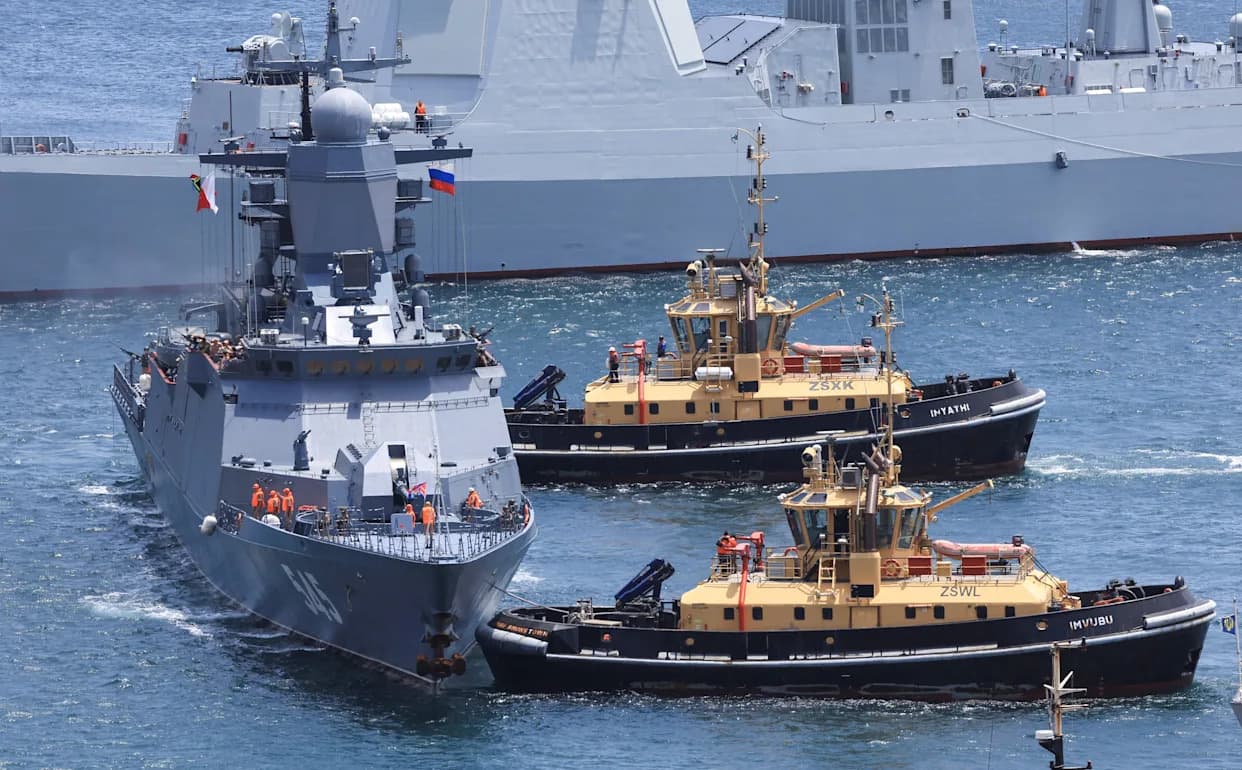
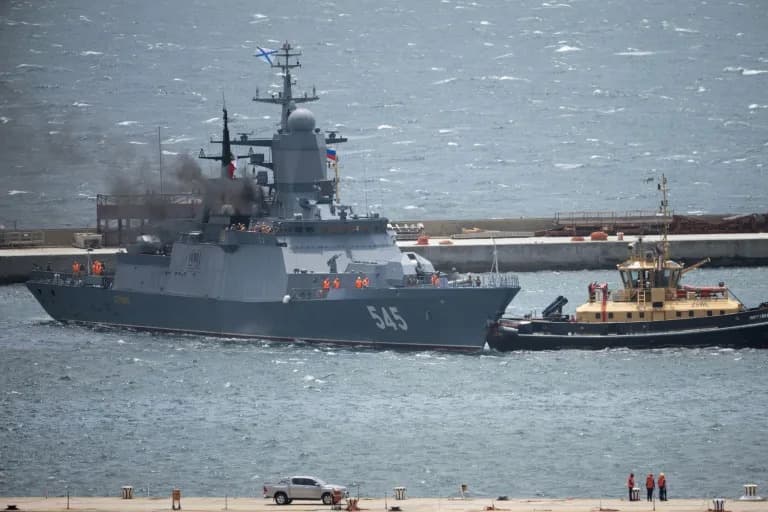
A Russian vessel arrives at the Simon's Town naval base in Cape Town ahead of the joint naval exercises [Esa Alexander/Reuters]
South Africa has defended a weeklong series of naval exercises involving Russia, Iran, China and other partners as "essential," saying the manoeuvres off the coast of Cape Town are a measured response to rising maritime tensions and threats to seaborne trade.
Exercise Details and Official Rationale
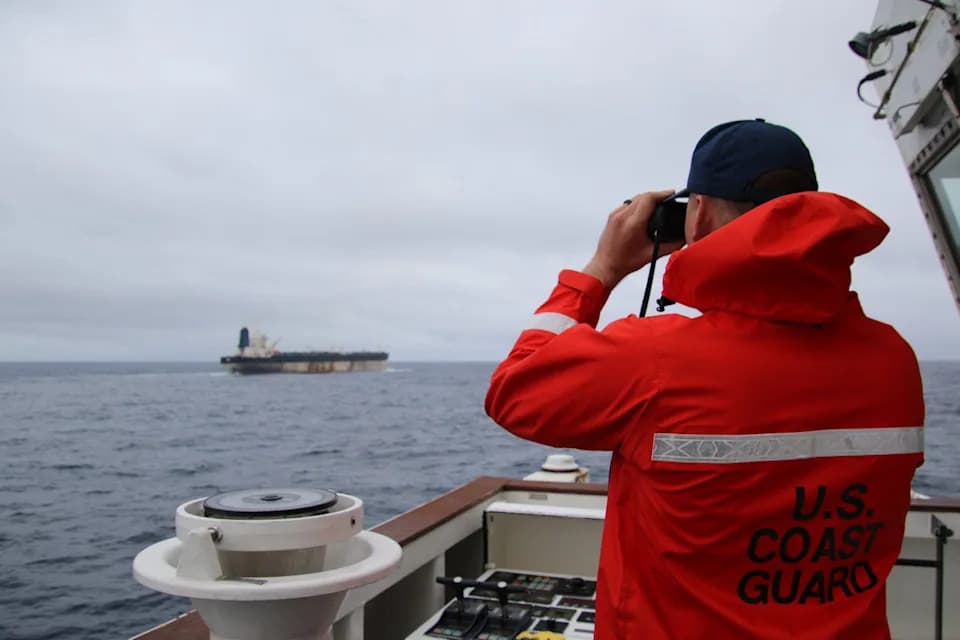
The drills, titled Will for Peace 2026, began on Saturday and, South African officials say, are intended to strengthen coordination among participating navies and to protect shipping lanes and maritime economic activity. The exercises follow the recent seizure by U.S. authorities of a Venezuela-linked Russian oil tanker in the North Atlantic — an event South African organisers and commentators have framed as part of broader geopolitical pressure.
Captain Nndwakhulu Thomas Thamaha, South Africa’s joint task force commander, told the opening ceremony the manoeuvres were more than routine training. "It is a demonstration of our collective resolve to work together," Thamaha said. "In an increasingly complex maritime environment, cooperation such as this is not an option, it is essential."
"The exercises aim to ensure the safety of shipping lanes and maritime economic activities," he added.
Participants And Assets
Lieutenant Colonel Mpho Mathebula, acting spokesperson for joint operations, told Reuters that all BRICS and BRICS Plus members were invited to participate. China and Iran deployed destroyers to South African waters, while Russia and the United Arab Emirates sent corvettes and South Africa dispatched a frigate. Indonesia, Ethiopia and Brazil are attending as observers.
Timing And Political Context
Deputy Defence Minister Bantu Holomisa said the drills were scheduled long before the recent spike in international tensions. "Let us not press panic buttons because the USA has got a problem with countries. Those are not our enemies," he said, urging focus on cooperation with BRICS partners to keep the Indian Ocean and Atlantic seas safe.
The exercises were previously planned for November under the name Exercise Mosi but were postponed after clashing with the G20 summit in Johannesburg. Relations between Washington and several BRICS Plus countries — including China, Iran, South Africa and Brazil — have been tense, with the U.S. at times accusing the bloc of pursuing policies it regards as adversarial and warning of potential trade penalties.
Broader Diplomatic Context
South Africa has faced criticism from the United States over its foreign policy choices, including its ties with Russia and the decision to bring a case against Israel to the International Court of Justice alleging atrocities in Gaza. Critics have also noted that South Africa hosted joint naval drills with Russia and China in 2023, which coincided with the first anniversary of Russia’s invasion of Ukraine; the three nations first held joint sea exercises in 2019.
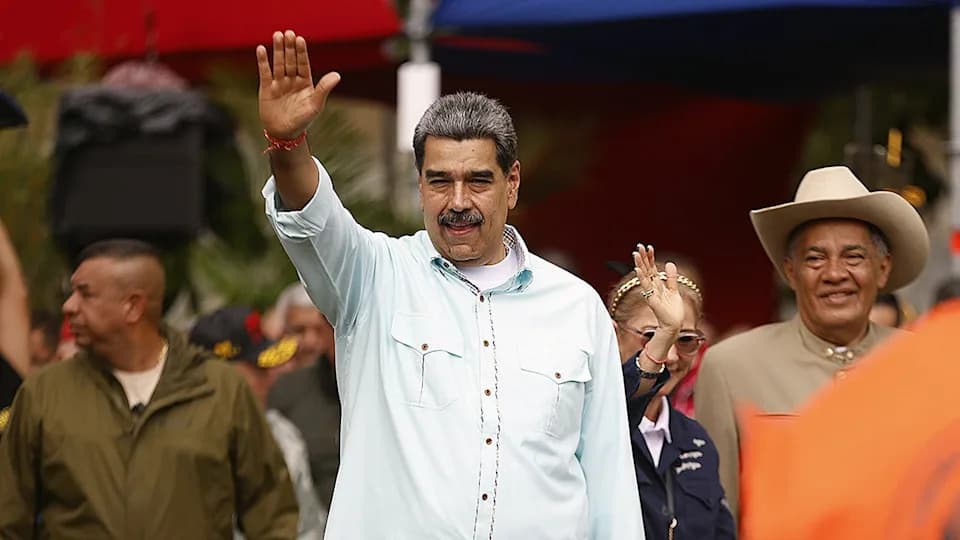
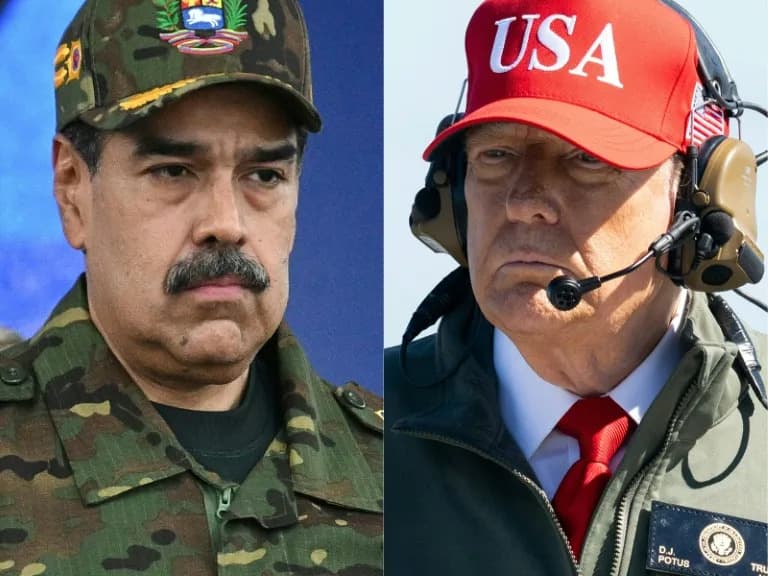
Some commentary surrounding the current drills has referenced claims of U.S. actions toward Venezuela and even assertions of an abduction of President Nicolás Maduro. These particular claims remain unverified in independent reporting and should be treated with caution; the broader sequence of events has nonetheless contributed to the diplomatic backdrop in which the exercises are taking place.
Help us improve.