Latin America’s overcrowded and underfunded prisons have incubated some of the region’s most violent gangs. Groups such as Tren de Aragua, PCC and CV consolidated control behind bars, running trafficking, extortion and violence from prison. Experts warn that "mano dura" policies and new mega-prisons risk strengthening criminal networks unless paired with prison reform, better conditions and broader social investment.
How Latin America’s Prisons Became Incubators for the Region’s Deadliest Gangs

Member of the Salvadorian army stands guard outside of maximum security penitentiary CECOT (Center for the Compulsory Housing of Terrorism) on April 4, 2025 in Tecoluca, San Vicente, El Salvador. - Alex Peña/Getty Images
Overcrowded, underfunded prisons across Latin America have evolved from places of detention into breeding grounds for powerful, violent criminal groups. Far from merely housing offenders, many penitentiaries now incubate networks that recruit members, coordinate trafficking, and exert influence well beyond prison walls.
Prisons as Incubators
When state institutions fail to maintain order, inmates and emerging leaders fill the void. Prison hierarchies — often led by so-called pranes or faction leaders — run internal economies, provide protection, and control contraband. These informal systems can develop into sophisticated criminal organizations that operate across borders.
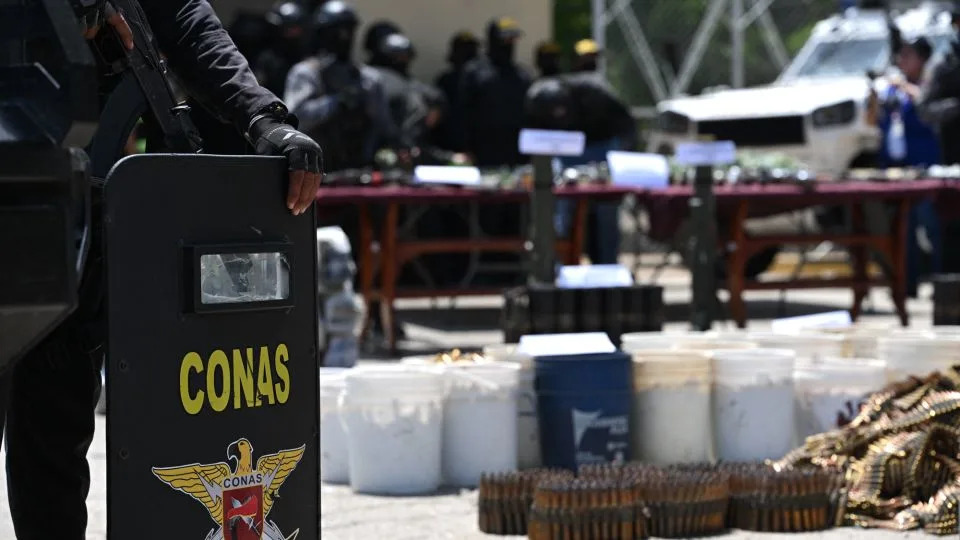
A member of the Anti-Extortion and Kidnapping Group (CONAS) stands guard as confiscated weapons and ammunition are displayed during a press conference after authorities seized control of the prison in Tocoron, Aragua State, Venezuela, on September 21, 2023. - Yuri Cortez/AFP/Getty Images
Notable Cases
Venezuela: Tren de Aragua formed inside Tocorón prison in Aragua state in the early 2010s, initially to impose order and improve living conditions. Transparency Venezuela and local reporting say a mix of inhumane conditions and official neglect fueled the group’s rise. The Venezuelan government raided Tocorón in 2023 and said the cell was dismantled, but key leaders such as Hector Rusthenford Guerrero Flores (alias Niño Guerrero) and Johan Petric remain at large.
Brazil: Groups like Primeiro Comando da Capital (PCC) and Comando Vermelho (CV) emerged from prison rebellions in the late 1970s and 1990s. Federal data show Brazil’s prisons run at roughly 140% capacity — housing more than 700,000 inmates in facilities designed for under 500,000 — creating markets for food, hygiene, protection, and legal services inside cells. PCC now exerts influence over trafficking routes and port operations that reach international markets.
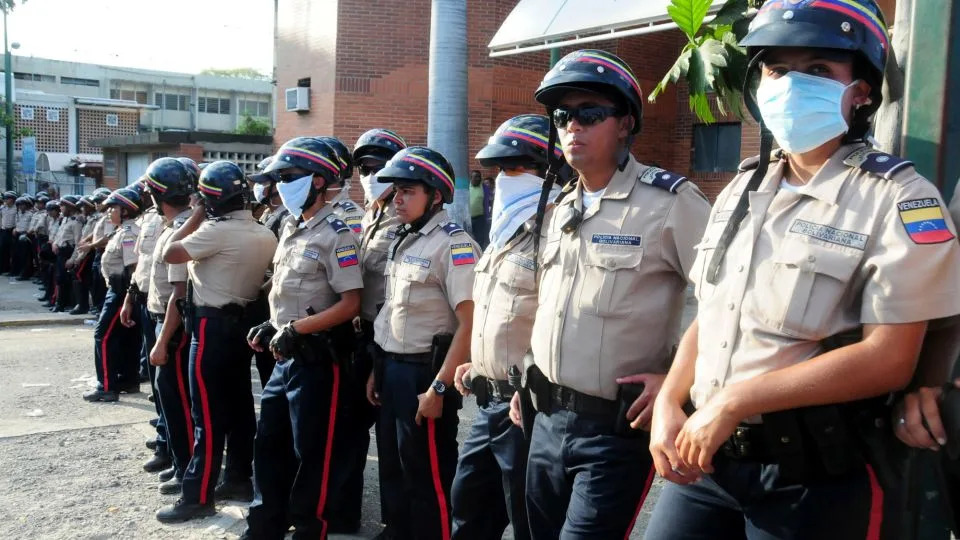
In this January 26, 2013 file photo, Venezuelan police officers stand guard outside the morgue where the bodies of prisoners killed in a riot were taken, in Barquisimeto, Venezuela. - Misael Castro/El Informador/AP/File
Ecuador: Guayaquil’s strategic role in cocaine exports attracted foreign cartels and dissident groups that embedded themselves in local gangs; when leaders were jailed, control struggles shifted into prisons. The assassination of Jorge Luis Zambrano (alias Rasquiña) in 2020 shattered a fragile balance among factions and triggered waves of violence that killed more than 400 inmates in under three years. Analysts estimate Ecuador’s prison markets exceed $200 million annually — more than double SNAI’s 2021 operating budget of roughly $99 million.
How Prisons Power Transnational Crime
Prison-based leadership frequently runs drug purchases, logistics and sanctioned violence from behind bars. International Crisis Group analyst Elizabeth Dickinson describes prisons as the "business back rooms" of organized crime: leaders enjoy relative safety while directing operations externally. Where multiple factions coexist, competition for control can spark deadly massacres — such as Uribana (Venezuela, 2013) and Carandiru (Brazil, 1992).
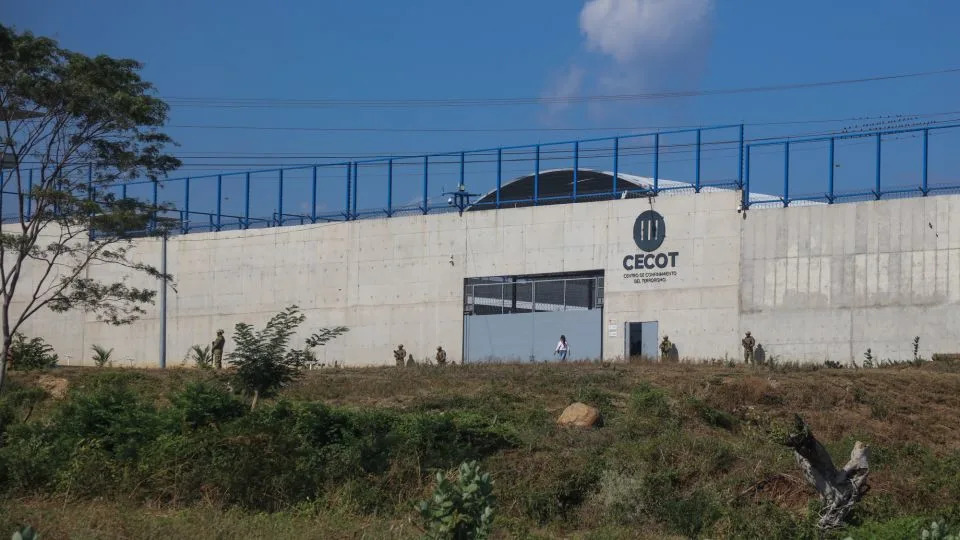
Members of the Salvadorian army stand guard at maximum security penitentiary CECOT (Center for the Compulsory Housing of Terrorism) on April 4, 2025 in Tecoluca, San Vicente, El Salvador. - Alex Peña/Getty Images South America/Getty Images
Policy Responses and Their Limits
Politicians across the region have embraced hardline "mano dura" approaches: longer sentences, mass arrests, military involvement in policing and construction of mega-prisons. El Salvador’s large-scale incarceration model and new facilities like CECOT (capacity ~40,000) are cited as templates. Several countries are building new maximum-security complexes (for example, Ecuador’s US$52 million El Encuentro), and Honduras has announced plans for a 20,000-capacity prison.
But experts warn these measures can be counterproductive. In contexts of overcrowding, weak administration and entrenched prison markets, mass incarceration may strengthen the very networks authorities seek to dismantle. As Dickinson notes, many low-level offenders are drawn into factions simply to survive — turning prisons into recruiting grounds rather than sites of rehabilitation.
Breaking the Cycle
Analysts and former inmates argue that preventing prisons from fueling criminal networks requires more than tougher sentences. Key needs include addressing overcrowding, improving basic conditions, restoring state authority inside facilities, investing in rehabilitation and education, and expanding social and economic opportunities outside prison so at-risk people have alternatives to joining gangs.
“I had many more opportunities to join crime than to make an honest living,” says Gregório Fernandes de Andrade, a former inmate and criminal attorney. “It’s easier for a kid to get a bag of drugs and a gun than a book and a pen.”
Prison reform that combines improved conditions, targeted rehabilitation, and broader social investments is likely to be more effective at reducing the power of organized crime than construction of more cells alone.
For further reading: Analysis by Transparency Venezuela, reporting by CNN and investigations from InSight Crime and the International Crisis Group informed this article.
Help us improve.