ALMA observations show that interstellar object 3I/ATLAS contains unusually high levels of methanol and hydrogen cyanide. Approximately 8% of the vapor measured was methanol — about four times the proportion seen in typical solar system comets — and production rates for both molecules rank among the richest observed in any comet. Researchers say the gases appear to come from the object’s rocky core and coma, and ongoing observations will help clarify the chemistry and its implications for distributing life’s ingredients across space.
ALMA Detects Methanol-Rich Chemistry in Interstellar Visitor 3I/ATLAS

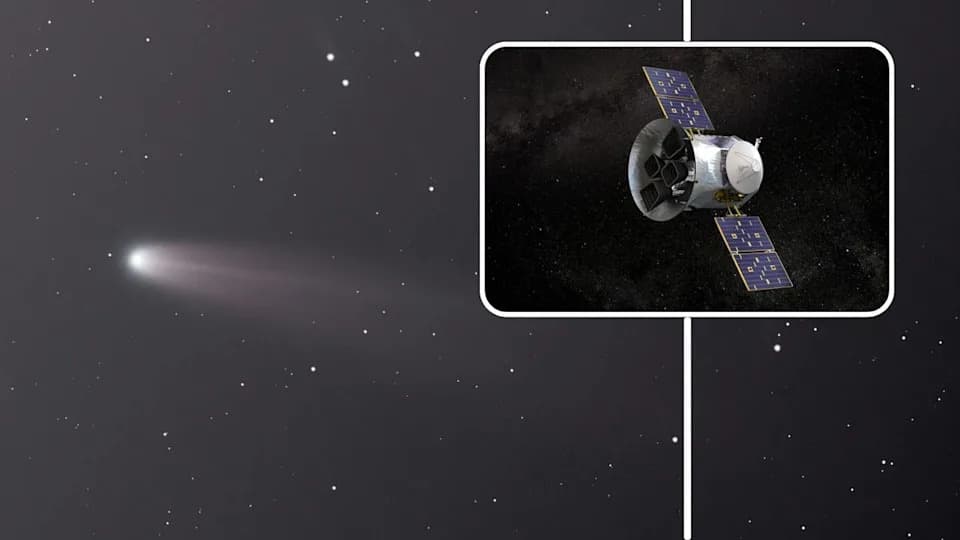
Scientists using the Atacama Large Millimeter/submillimeter Array (ALMA) have detected unusually high levels of methanol and hydrogen cyanide in 3I/ATLAS, the third confirmed interstellar object to pass through our solar system.
Rich Prebiotic Chemistry on an Alien Comet
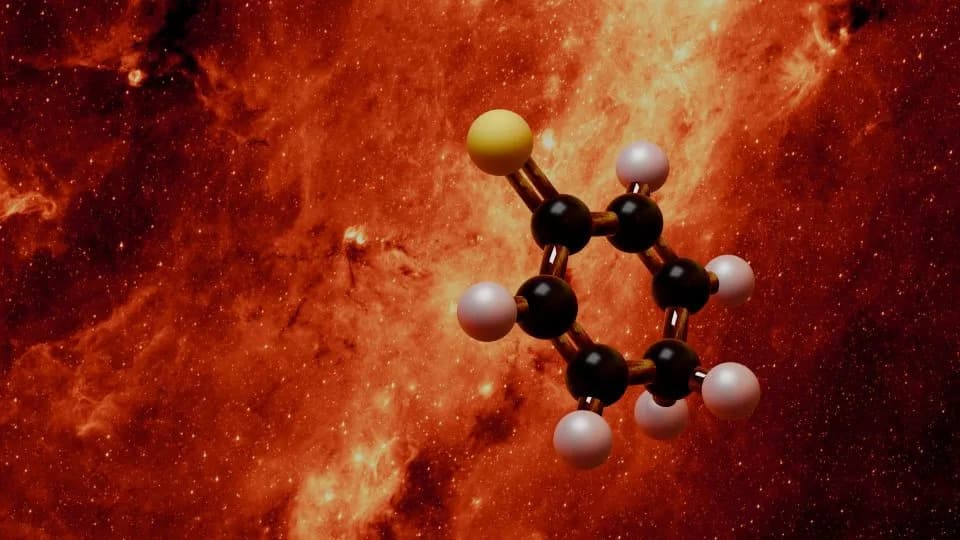
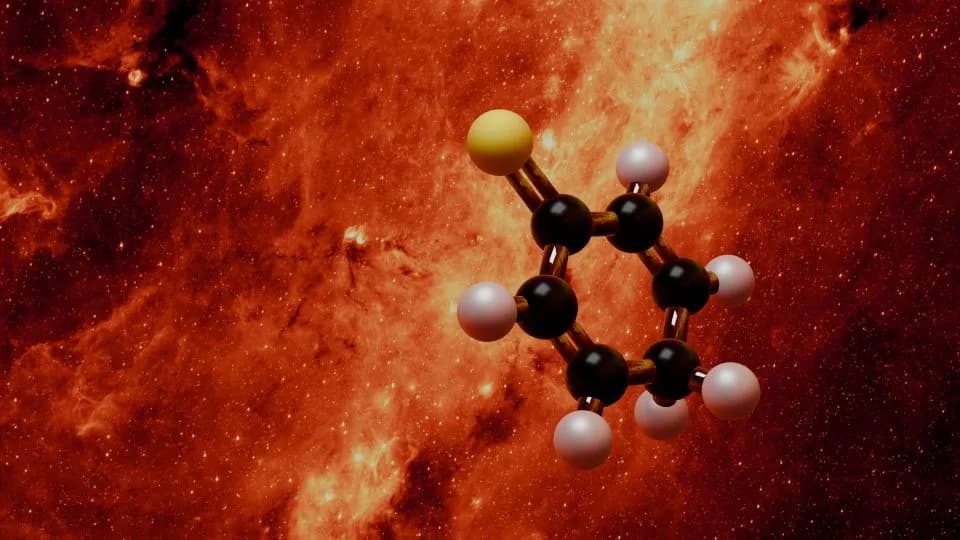
In a paper that is as yet to be peer reviewed, NASA Goddard astrochemist Martin Cordiner and his collaborators report that ALMA observations revealed not only gaseous methanol (CH3OH) but also substantial hydrogen cyanide (HCN) in 3I/ATLAS. The team estimates that about 8% of the object’s total vapor output was methanol — roughly four times the fraction typically seen in comets native to our solar system.
"Molecules like hydrogen cyanide and methanol are at trace abundances and not the dominant constituents of our own comets," Cordiner told New Scientist. "Here we see that, actually, in this alien comet they’re very abundant."
From the spectral data, the researchers conclude that both methanol and HCN originate from the object’s rocky core, while methanol is also prominent in the coma, the cloud of gas and dust surrounding the nucleus. The authors describe the production rates for both molecules as "among the most enriched values measured in any comet."
Implications and Ongoing Observations
Because methanol is a key precursor in chemical pathways that can lead to amino acids and other biologically relevant molecules, its abundance in 3I/ATLAS suggests that interstellar objects can carry rich, prebiotic chemistry. The team notes that continued observing campaigns — particularly near perihelion and as the object recedes from the Sun — should clarify how these molecules are produced and released.
Some commentators have speculated about broader implications. Harvard astronomer Avi Loeb — who has previously argued for unconventional interpretations of some interstellar visitors — suggested in a blog post that the high methanol-to-HCN ratio could be read as evidence of a "friendly" visitor. The paper itself remains focused on the chemical measurements and their implications for the distribution of life's ingredients in space.
3I/ATLAS is the third interstellar object reliably identified in our system, following 1I/'Oumuamua and 2I/Borisov. These detections help astronomers compare the chemistry of extrasolar small bodies with that of comets formed around the Sun.
Note: The results are drawn from a preprint under review; conclusions may be refined after peer review and follow-up observations.
Help us improve.