At the Doha Forum, UN special rapporteur Francesca Albanese described how US sanctions upended her life after she accused Israel of genocide in Gaza. She and other legal experts warn that US penalties on ICC officials and reprisals against investigators risk creating a chilling effect that could obstruct international justice. Human rights groups and activists criticised Western double standards and continued arms transfers, and speakers called for stronger UN action and possible Security Council reform to ensure accountability.
“We Need To Make It Work”: Can International Law Deliver Justice Amid Gaza Sanctions?

“We Need To Make It Work”: Can International Law Deliver Justice Amid Gaza Sanctions?
After the U.S. government imposed sanctions related to her reporting on Israel’s conduct in Gaza, United Nations special rapporteur Francesca Albanese says her life was upended. She told Al Jazeera that her credit cards stopped working, a hotel reservation booked by the European Parliament was cancelled, and her medical insurance was denied. Albanese described the measures as turning her into a “non-person.”
Sanctions, Smears and Personal Costs
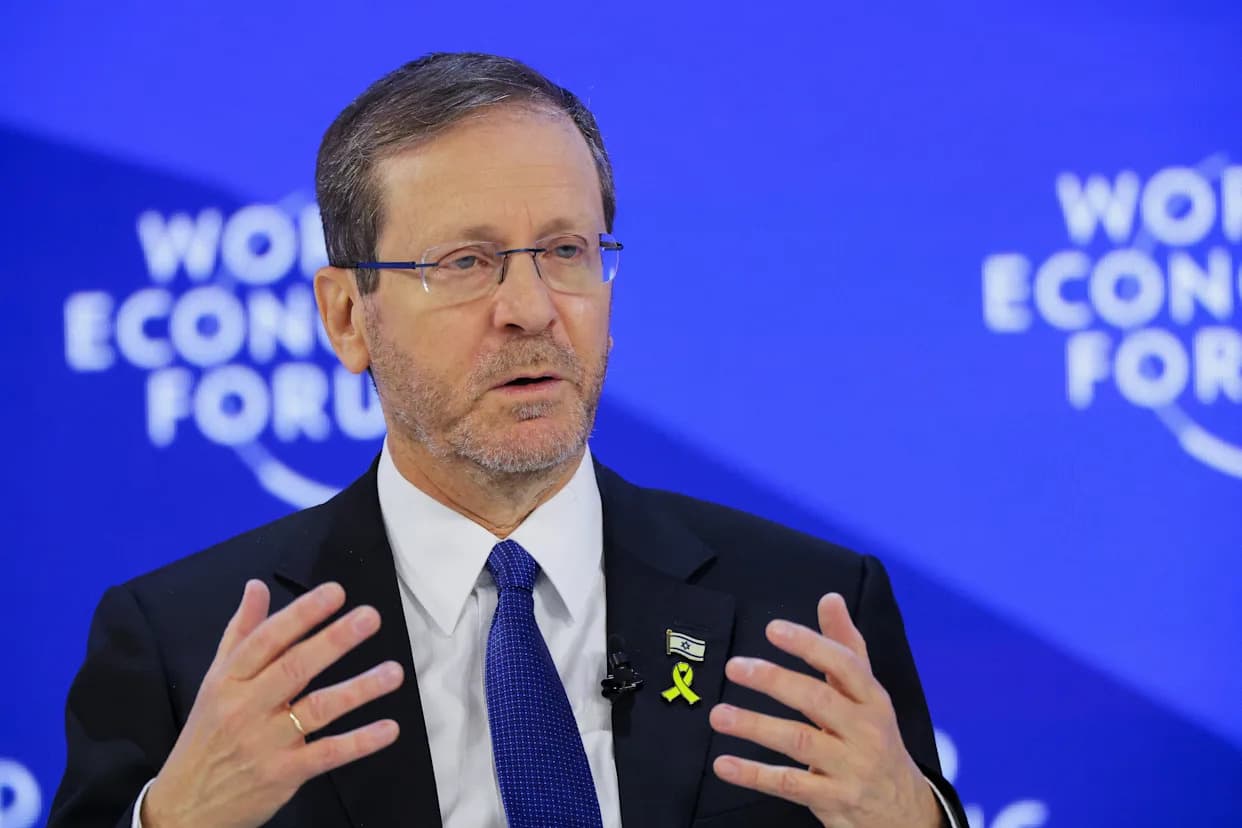
Speaking at the Doha Forum — convened under the theme Justice in Action: Beyond Promises to Progress — Albanese called the sanctions “unlawful” under international law and warned they reveal how far some states will go to silence accountability advocates.
“For me, it’s important that people understand the extent … the United States, Israel and others would go to silence the voice of justice, the voice of human rights,”
Albanese said U.S. officials have levelled accusations against her, including alleging anti-Semitism and support for violence — claims she rejects — and that she has received threats from multiple directions.
Legal Pressure On International Institutions
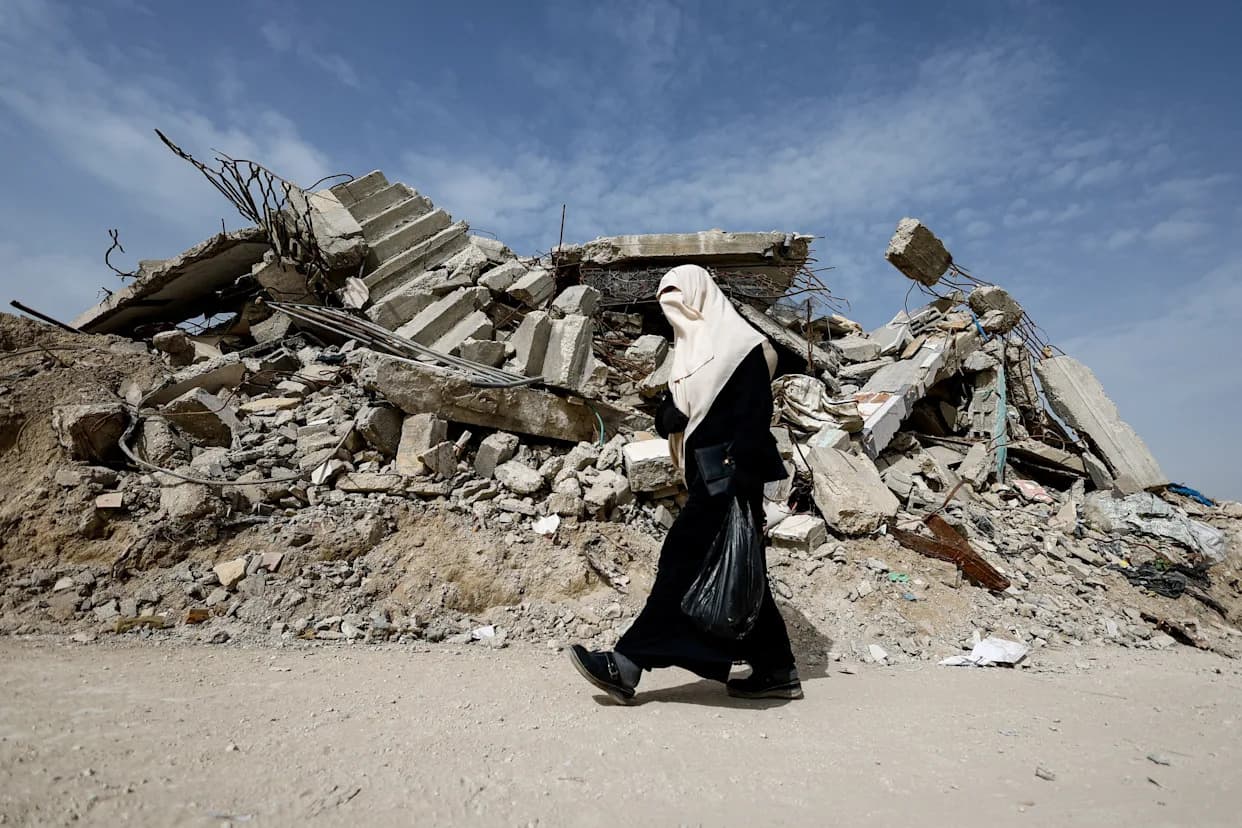
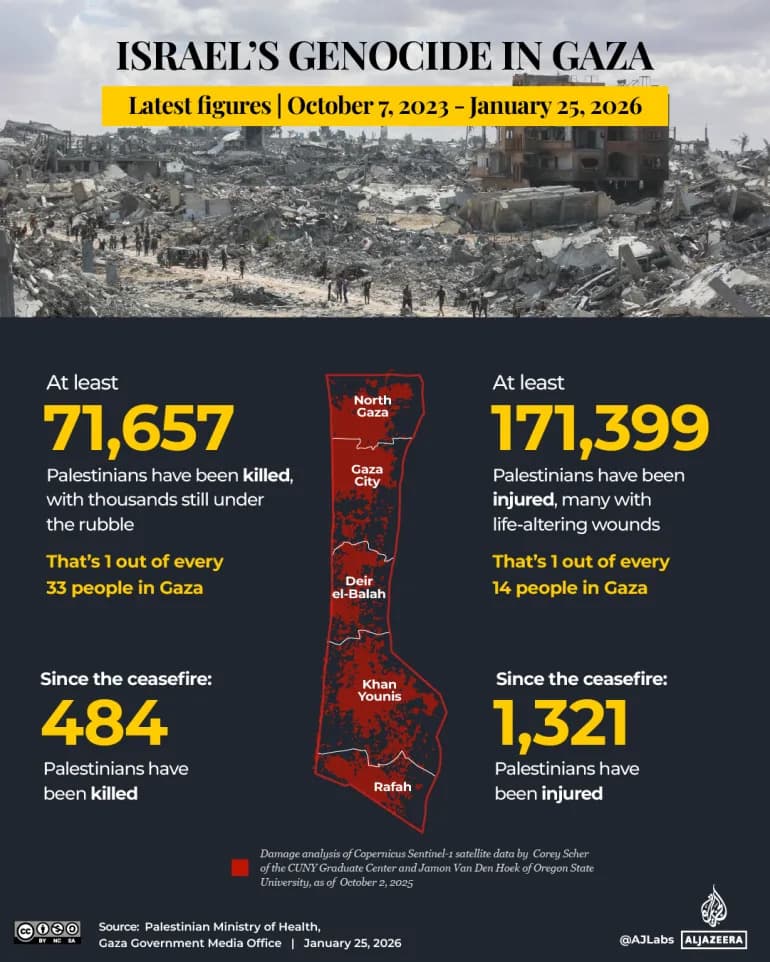
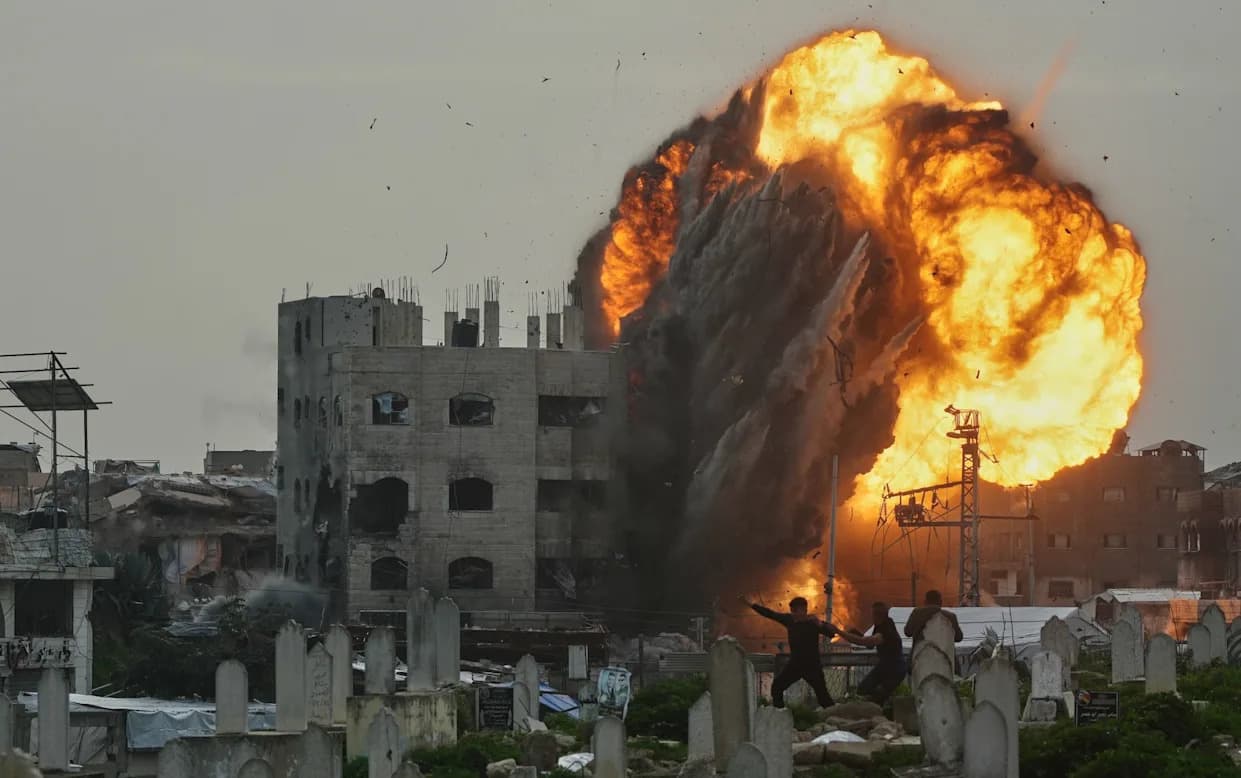
The Gaza crisis dominated discussions in Doha. Allegations that Israeli actions in Gaza may amount to genocide, repeated vetoes blocking UN ceasefire resolutions, and growing pressure on international justice bodies have turned Gaza into a decisive test of the postwar rules-based order.
Albanese and several major human rights organisations — including Amnesty International, Human Rights Watch and Israel’s B’Tselem — have said Israel’s conduct in Gaza meets the legal threshold for genocide in their assessments. In January 2024 the International Court of Justice (ICJ) found that there was a plausible risk and required provisional measures related to allegations of genocide — a finding Albanese cites as part of the legal context.
When the sanctions were announced, U.S. officials, including Senator Marco Rubio, publicly criticised Albanese’s work and accused her of conducting a “campaign of political and economic warfare” against the United States and Israel — allegations she calls baseless and part of a smear campaign.
Intimidation And A Chilling Effect
In August, the United States also sanctioned nine judges and prosecutors of the International Criminal Court (ICC), including European nationals, after the court opened an investigation into alleged Israeli war crimes in Gaza. Albanese characterised those measures as “mafia-style intimidation,” warning that they create a chilling effect on judges, prosecutors and witnesses.
“Imagine that every U.S. person interacting with us, someone who works in the U.S. or is a citizen, could go to jail for up to 20 years. It creates a chilling effect.”
In November 2024 the ICC issued arrest warrants for Israeli Prime Minister Benjamin Netanyahu and former defence minister Yoav Gallant over alleged war crimes. The United States condemned the warrants as “outrageous,” while some allies such as the United Kingdom and Canada said they would adhere to international law but stopped short of clarifying how they would respond in practice.
Arms Transfers, Double Standards And Calls For Reform
Many Western governments have refrained from calling Israel’s actions in Gaza genocide and continue to transfer arms to Israel. Albanese argues those transfers violate legal obligations to prevent genocide and to avoid aiding or assisting internationally wrongful acts — obligations she says states are failing to meet.
Janine Di Giovanni, co‑founder of the Reckoning Project, criticised what she called Western double standards — contrasting international attention and action on Ukraine with the response to Gaza — and accused some leaders of selective outrage. She urged stronger multilateral responses and said the UN General Assembly could be mobilised when the Security Council is paralysed by vetoes.
Holding Leaders To Account
Speakers in Doha warned that failure to pursue accountability would entrench impunity. Di Giovanni said confronting alleged crimes by high-level officials is essential to global security: “Without accountability, there is no global security.”
Albanese struck a note of cautious optimism: international law is not broken, she argued, but must be made to work through sustained civic, diplomatic and legal pressure.
Key questions remain: Can international law withstand political pressure from powerful states? Will multilateral institutions be reformed to prevent paralysis? And can accountability mechanisms operate without fear of retaliation against those who investigate or adjudicate?
Help us improve.