The UK government has opened a 10-week consultation as it prepares to roll out a national facial-recognition system for policing. Independent NPL tests found much higher false-positive rates for Asian (4.0%) and Black (5.5%) subjects than for white subjects (0.04%). Police commissioners and civil liberties groups warn the technology has been deployed without adequate safeguards. Ministers have funded additional forces and could create a national database holding millions of images.
UK Advances Nationwide Facial-Recognition Rollout Despite Tests Showing Racial Misidentification

UK Plans Nationwide Facial-Recognition System Amid Concerns Over Racial Bias
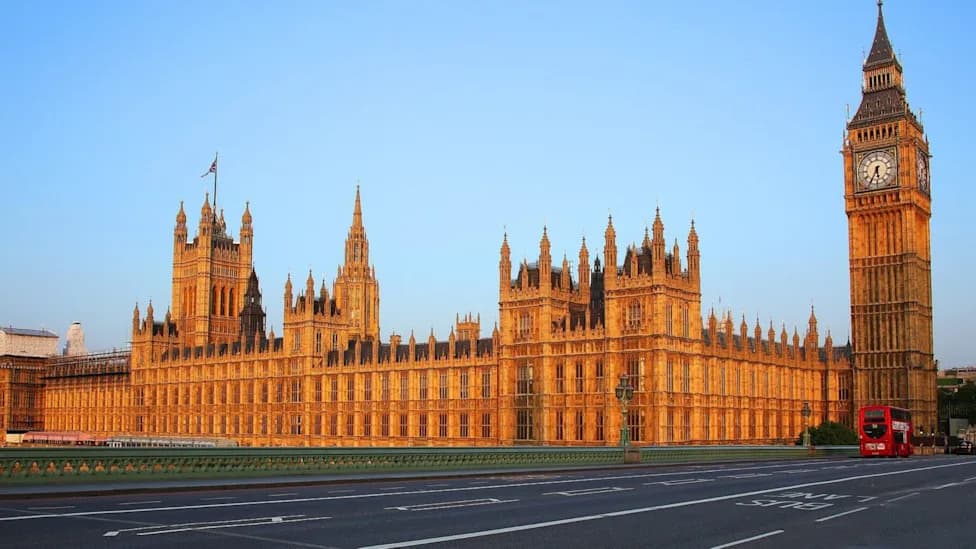
UK ministers have launched a 10-week public consultation as they move to expand a national facial-recognition system designed to help police track suspects. Officials present the initiative as an upgrade to policing capabilities, but independent testing raises serious questions about accuracy and fairness.
Independent Tests Reveal Demographic Disparities
Analysis by the National Physical Laboratory (NPL), reported by The Guardian, found the national “retrospective facial recognition tool” is significantly more likely to produce false positives for some demographic groups. The NPL reported a false-positive identification rate of 0.04% for white subjects, compared with 4.0% for Asian subjects and 5.5% for Black subjects.
“This has meant that in some circumstances it is more likely to incorrectly match Black and Asian people than their white counterparts,” the Association of Police and Crime Commissioners told The Guardian. They said the technical language masks a clear operational risk and warned that technology appears to have been deployed with inadequate safeguards.
Rollout Plans And Surveillance Footprint
National police minister Sarah Jones hailed facial recognition as the “biggest breakthrough for catching criminals since DNA matching.” Despite official enthusiasm, lower-ranking police commissioners and civil-rights groups have urged caution.
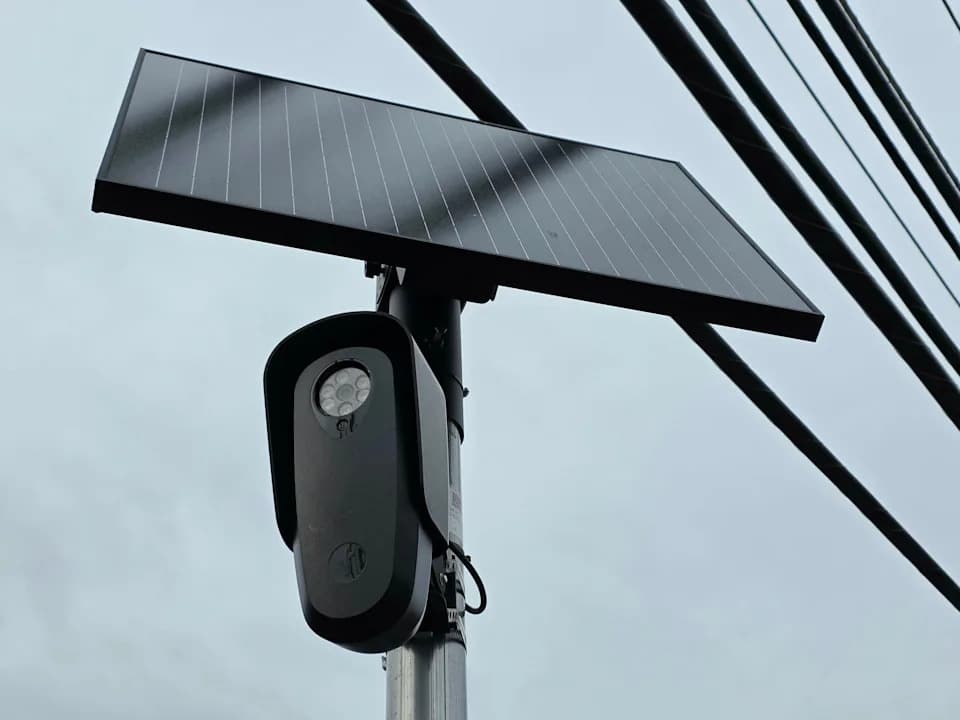
London is already among the world’s most heavily surveilled cities, with an estimated 1,552 cameras per square mile. The Home Office has funded seven additional metropolitan police forces to deploy facial-recognition vans, joining forces in London, South Wales and Essex. Each van links to a police watchlist and uses roof-mounted AI cameras that scan public spaces in real time.
Data, Safeguards And The Public Consultation
As part of the consultation, the government is asking whether police should be allowed to cross-reference watchlists with other databases such as passport and driver’s licence registries. Ministers have also signalled plans to create a national database, which The Guardian reports could hold “millions of images” of ordinary citizens.
Liberty’s policy and campaigns officer Charlie Whelton warned: “The racial bias in these stats shows the damaging real-life impacts of letting police use facial recognition without proper safeguards in place. The government must halt the rapid rollout of facial recognition technology until these are in place to protect each of us and prioritize our rights.”
What Happens Next
The consultation will collect public feedback over 10 weeks, but with funding and deployment already under way, it remains unclear how much influence the consultation will have on the rollout or what additional technical, legal or operational safeguards will be mandated as a result.
Help us improve.