India and Russia have ratified a military logistics pact (RELOS) that gives New Delhi access to Russian Arctic naval ports and polar training for its sailors. The agreement authorises transfer and logistical support for ships, aircraft and forces along the Northern Sea Route from Murmansk to Vladivostok. Indian officials say the NSR could reduce shipping distances between northern Europe and the Indo‑Pacific by up to 40%, offering an alternative to traditional routes. The deal deepens defence and trade ties amid U.S. pressure and follows reports of a $2bn submarine purchase.
Putin and Modi Sign Military Logistics Pact to Expand India’s Reach Into the Arctic

India and Russia Deepen Military, Maritime and Logistical Ties in the Arctic
India has signed a landmark military logistics agreement with Russia that grants New Delhi access to Russian naval bases along the strategic Arctic Northern Sea Route (NSR). The move, agreed during President Vladimir Putin’s two-day state visit to India, will also see Moscow provide polar training for Indian mariners and expanded logistical cooperation between the two countries.
The Ratified Pact
The Russian Duma ratified the "Reciprocal Exchange of Logistics Support (RELOS)" accord ahead of the visit. The treaty authorises the transfer and logistical support of warships, aircraft and personnel between Russia and India along the NSR — the Arctic corridor linking Europe and Asia from Murmansk to Vladivostok.
Strategic Context
Russia has been consolidating military capabilities in the Arctic — including elements of its Northern Fleet and strategic forces based on the Kola Peninsula — as melting ice opens longer navigation seasons and new shipping opportunities. Moscow views deeper ties with Asian partners as a way to maintain influence after many Western firms retreated under sanctions.
What India Seeks
For India, access to the NSR and polar training offers a potential alternative maritime route between northern Europe and the Indo‑Pacific that Indian officials estimate could cut distances by up to 40%. New Delhi frames the engagement as a way to diversify trade and supply-chain routes (for example, offering an alternative to the Suez Canal) while deepening defence cooperation independent of external pressure.
High-Level Meeting
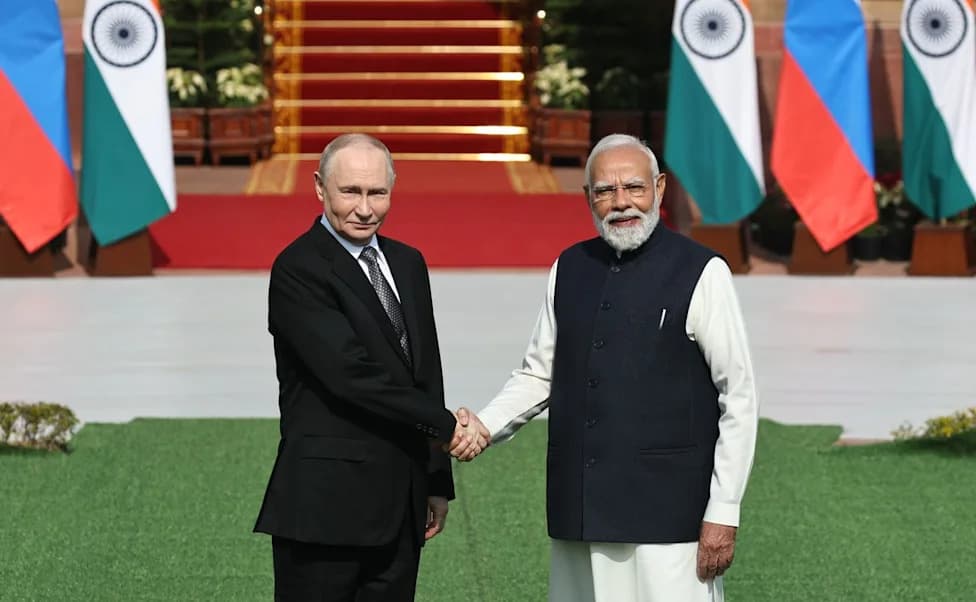
Mr Modi personally received Mr Putin on arrival and the two leaders discussed accelerating cooperation on the NSR, the International North-South Transport Corridor and the Chennai–Vladivostok maritime corridor. The visit was Mr Putin’s first to India since the invasion of Ukraine and took place amid U.S. appeals for India to reduce its dependence on Russian energy and defence supplies.
Trade and Defence Deals
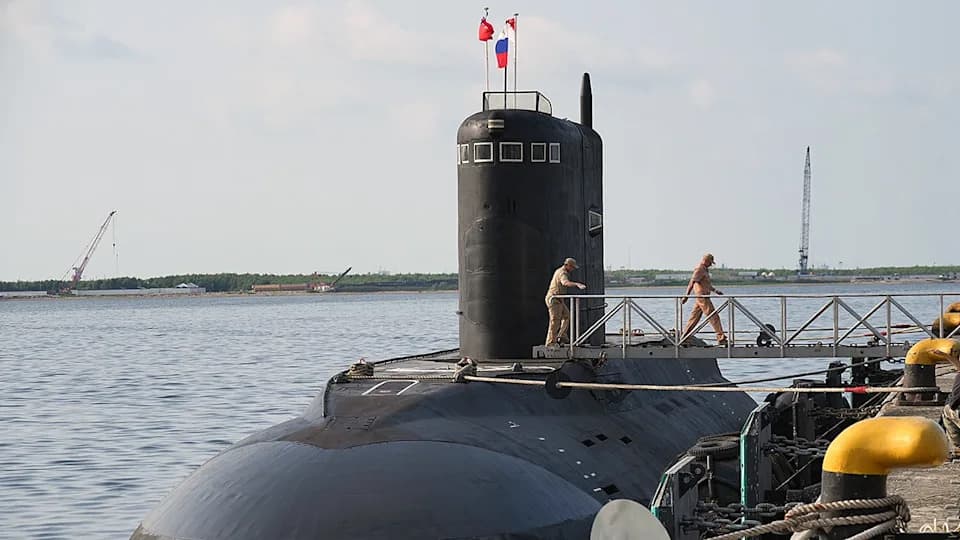
Bilateral trade reached nearly £52 billion in 2024–25, heavily skewed in Russia’s favour with Indian exports below £3.7 billion. Reports emerged before the visit that India had agreed a $2 billion submarine purchase from Russia, with potential deliveries within two years. India also became a major buyer of Russian seaborne oil following the Ukraine invasion, although some refiners paused new purchases after fresh U.S. sanctions on Russian energy firms. President Putin pledged continued "uninterrupted shipments" of fuel to India despite the sanctions.
Regional Implications
Analysts say the pact represents a significant deepening of India-Russia strategic ties in a geopolitically sensitive region. While New Delhi maintains it is not aligning against any country, the agreement will draw heightened attention from Western capitals concerned about Russia’s Arctic militarisation and expanded partnerships with Asian states.
"The India-Russia partnership has been among the steadiest in the contemporary era," an Indian government spokesman said, adding that the relationship will expand beyond traditional military, nuclear and space cooperation.
If successfully implemented, RELOS could enable more frequent naval logistics movements between India and Russia and strengthen New Delhi’s maritime connectivity options as Arctic access increases in the coming decades.
Help us improve.