Kenyan Parliament Releases 94-Page Report: An 18-month parliamentary inquiry found that members of the British Army Training Unit in Kenya (BATUK) were linked to killings, sexual misconduct, environmental damage and unsafe ordnance handling based on testimony from Laikipia and Samburu residents. The report highlights systemic failures in BATUK investigations, thousands of complaints including abandoned children fathered by soldiers, and a destructive 2021 fire at Lolldaiga conservancy that burned 4,900 hectares. It recommends extradition of a suspect in the 2012 murder of Agnes Wanjiru, compensation and psychosocial support for victims, stronger oversight of foreign troops, and a binding code of conduct.
Kenyan Parliament Finds British Troops Linked To Killings, Sexual Abuse And Environmental Damage

Overview
A 94-page Kenyan parliamentary inquiry has concluded that members of the British Army Training Unit in Kenya (BATUK) have been linked to widespread killings, sexual misconduct, environmental harm and negligent handling of unexploded ordnance. The report, released after an 18-month investigation by the defence, intelligence and foreign relations committee, says victims and witnesses from Laikipia and Samburu counties described a pattern of serious abuses that left communities feeling as if they were living alongside an "occupying force." BATUK did not cooperate with the parliamentary investigation, the committee noted.
About BATUK
BATUK is a permanent British training presence based in Nanyuki, central Kenya, established after Kenyan independence in 1963. The unit comprises roughly 100 permanent staff and about 280 rotating short-term personnel. It trains British forces and provides counter‑terrorism assistance to Kenyan troops under the UK–Kenya Defence Cooperation Agreement, which since 2015 has enabled shared intelligence and joint training.
Key Findings of the Inquiry
The parliamentary report documents multiple categories of misconduct and negligence:
- Sexual Misconduct and Abandonment: Testimonies described rape, assault and a pattern of soldiers fathering children before leaving Kenya without providing adequate support. The inquiry found BATUK investigations were ineffective, noting a mishandled 2003 internal probe.
- Environmental Damage: The report says BATUK failed to conduct environmental impact assessments for field exercises, illegally dumped military and toxic waste, and in at least one instance a major fire destroyed approximately 4,900 hectares (12,000 acres) of vegetation and killed livestock.
- Negligent Handling of Ordnance and Safety Failures: Lawmakers found evidence of unexploded ordnance being left in training areas, unsafe disposal practices and inadequate protection for local workers clearing ammunition debris.
- Compensation and Communication Gaps: Victims reported inadequate compensation and insufficient community notification about dangerous or loud training drills that caused trauma, shock and injuries.
The 2021 Lolldaiga Fire
A March 2021 wildfire at the privately owned Lolldaiga Conservancy in Laikipia — where BATUK conducts exercises — burned for days, killing livestock and displacing wildlife. Local managers and residents linked the blaze to the use of white phosphorus during a BATUK exercise; the UK Ministry of Defence said the likely cause was a knocked-over camp stove. In August 2025 the UK agreed to a settlement totalling about £2.9 million to 7,723 claimants who sued over the fire and has supported restoration work on the conservancy.
The Agnes Wanjiru Case
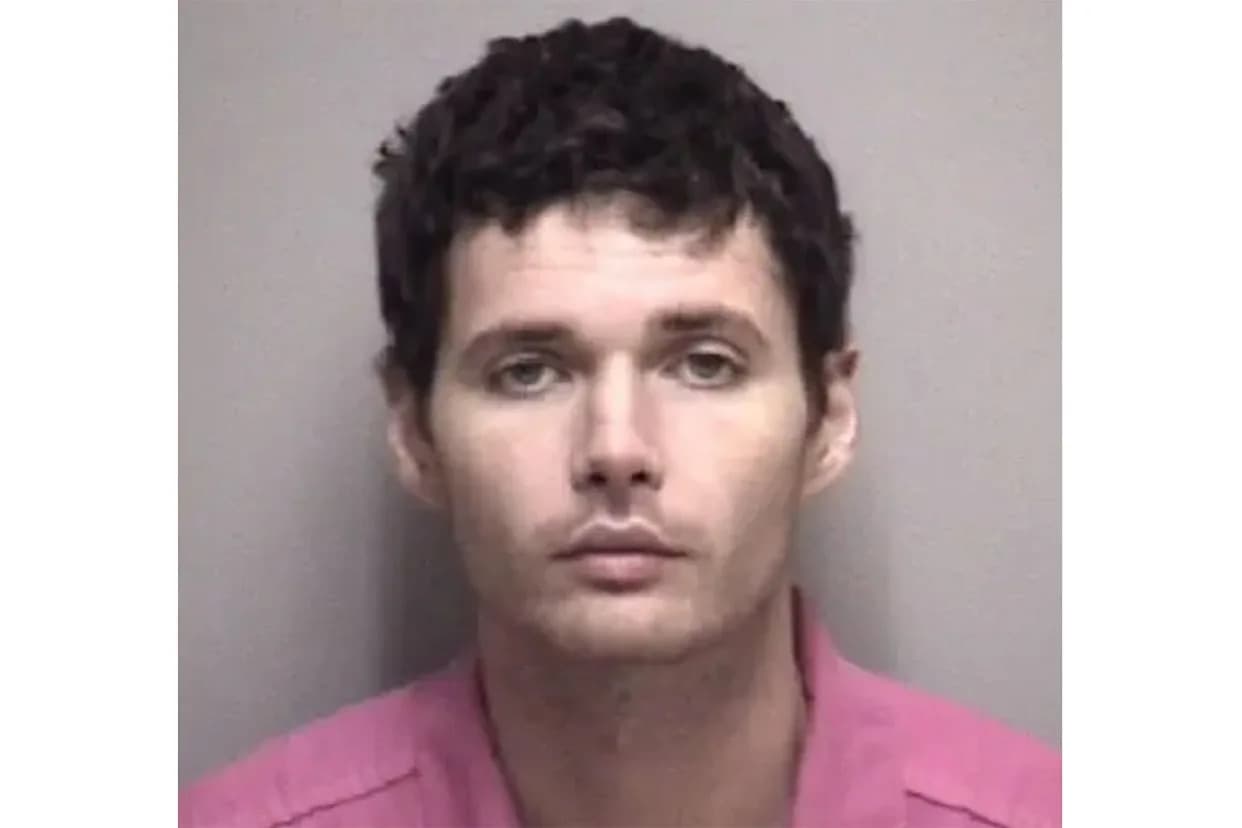
One of the most notorious cases examined is the 2012 killing of 21-year-old Agnes Wanjiru. She disappeared on 31 March 2012 after being seen with British soldiers in Nanyuki; her body was later found in a septic tank near where soldiers had been staying. Kenyan police requested that nine soldiers be questioned in 2012, but the UK initially resisted Kenyan jurisdiction. Renewed reporting and investigations led to a Kenyan court ordering the arrest and extradition of a British national in September 2025; in November 2025 a suspect, Robert Purkiss, was arrested in the UK and has denied the charges. Kenyan lawmakers urged the Attorney General to seek his extradition for trial.
Government Responses and Next Steps
The British High Commission said BATUK was not adequately represented during the hearings, and that written submissions it provided were not incorporated into the report; it added it would investigate new allegations if evidence is provided. The parliamentary report recommended immediate negotiation with the UK to allow Kenyan prosecutions of British soldiers, inquiries into other suspicious deaths, pursuit of extradition where appropriate, compensation and psychosocial support for sexual‑offence victims, and accountability mechanisms for former soldiers who neglected children.
Recommendations
Lawmakers urged stronger oversight of foreign troops through a formal code of conduct, stricter enforcement of environmental and labour rules at training sites, transparent investigation processes, and guaranteed channels for compensation and redress for affected communities.
Local Context
While BATUK contributes to local economies — the UK Ministry of Defence reported a contribution of about 5.8 billion Kenyan shillings (roughly $45m) and employment for more than 550 local staff — community campaigners and victims argue that economic benefits do not offset the human rights, safety and environmental harms documented in the report. Campaigners say historical colonial dynamics and concerns about jeopardising aid have previously deterred vigorous scrutiny of the UK defence presence.
"The Kenyan parliament has demonstrated that the British Army is not above the law," said James Mwangi of the Africa Centre for Corrective and Preventive Action (ACCPA), which supported victims and advised the parliamentary investigation.
What Happens Next: The report calls for urgent negotiations with the UK on extradition and prosecutions, immediate steps to provide compensation and psychosocial support to victims, and development of a binding code of conduct to prevent future abuses. The international and legal fallout is likely to continue unfolding as Kenyan and UK authorities respond to the report’s recommendations.
Help us improve.