Legal experts warn that dozens of people pardoned or granted commutations by Donald Trump were later arrested on unrelated charges, a pattern critics say weakens the rule of law. Trump issued 237 clemencies in his first term and more than 1,600 after returning to office, many tied to January 6. Observers say bypassing the Department of Justice review process increased the risk of repeat offending and point to multiple specific post‑clemency arrests.
More Than 1,800 Trump Clemencies — Dozens Later Arrested, Raising Rule‑of‑Law Concerns

More Than 1,800 Clemencies Granted By Trump — Several Recipients Later Arrested
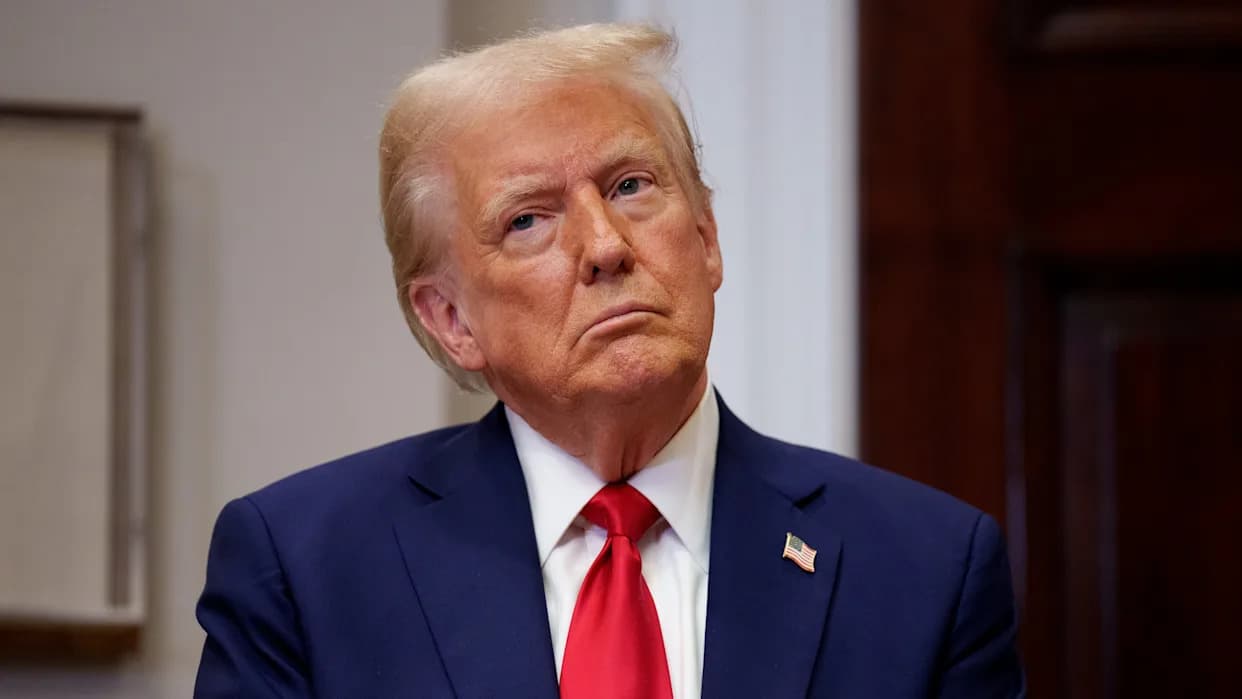
Legal scholars and political scientists point to a striking example of how presidential clemency can affect the rule of law: multiple people pardoned or granted commutations by Donald Trump were later arrested on unrelated charges. Across his time in office, Trump issued a large number of clemency actions — 237 during his first term and more than 1,600 after returning to the presidency — bringing the total above 1,800.
Why Experts Are Alarmed
Experts say the pattern of post‑clemency arrests was predictable because many of these grants bypassed the customary, rigorous review process conducted by the Department of Justice’s Office of the Pardon Attorney. That office ordinarily vets petitions to assess the applicant’s criminal history, potential for recidivism and whether clemency would serve the public interest.
“What else would you expect?” said Susan Benesch, director of the Dangerous Speech Project. She contrasted these recent clemencies with cases where defendants showed genuine remorse or long‑term rehabilitation. In the instances at issue, she added, the action may have conveyed that the conduct was acceptable.
Mark Rozell, dean of George Mason University’s Schar School of Policy and Government, noted that the Constitution grants the president a unique, largely unchecked pardon power. Historically, presidents have usually relied on Justice Department guidance and extended review before issuing clemencies.
Notable Post‑Clemency Arrests And Convictions
At least a dozen people whose sentences were commuted or who were pardoned by Trump have since been arrested or convicted on separate charges. Reported examples include:
- Andrew Taake — Attacked an officer on January 6 and was on bail for unrelated online solicitation charges; after receiving clemency he briefly became a fugitive, later pleaded guilty to solicitation of a minor and was sentenced to three years (with credited time reported).
- Edward Kelley — One of the earliest rioters to breach the Capitol; later sentenced to life in prison after plotting attacks on investigators and law enforcement, according to reporting.
- Daniel Ball — Accused of throwing an explosive device at officers on January 6; after clemency he was arrested on federal gun charges, with prosecutors pointing to prior convictions that prohibit firearm possession.
- David Daniel — Pleaded guilty to assaulting or resisting an officer on January 6; later arrested on child‑exploitation charges and has sought a second pardon, arguing evidence was uncovered during an unrelated FBI search.
- Theodore Middendorf — Pleaded guilty to destruction of government property on January 6 and was separately sentenced in 2024 to 19 years for sexual assault of a child.
- Brent Holdridge — Received a short jail term for a January 6‑related misdemeanor and was later arrested in connection with alleged industrial copper thefts.
- Zachary Alam — Sentenced to eight years for multiple felonies tied to January 6, and subsequently arrested on burglary and vandalism charges.
- Jonathan Braun — Commuted after a 2019 drug‑related sentence and fined for predatory lending; later returned to custody after alleged violent and threatening conduct while released.
- Eliyahu Weinstein — Had his sentence commuted for a large Ponzi‑style fraud after lobbying by high‑profile supporters; was later sentenced in separate proceedings to decades in prison for fraud.
Scale And Context
Critics say that while controversial pardons are not unprecedented — past presidents have issued contentious clemencies — the volume and pattern under Trump are unusual. Some commentators point to reported impatience with the pardon review process and a drive to issue large numbers of clemencies quickly.
Rozell argued that routine vetting by the Office of the Pardon Attorney is intended to reduce the risk of granting leniency to people likely to re‑offend. Without that screening, he said, the public interest may not be adequately served.
“When powerful figures receive clemency without convincing evidence of reform,” Benesch said, “the gesture can act as a wink and a nod that encourages repeat offenses rather than signaling rehabilitation.”
What This Means For The Rule Of Law
Observers warn that presidential clemency, when used at scale and without customary safeguards, can undermine public confidence in justice institutions. The debate raises broader questions about how to balance the Constitution’s broad pardon power with mechanisms that ensure clemency serves rehabilitation and the public interest rather than shielding ongoing criminal conduct.
Help us improve.