Researchers modified the entomopathogenic fungus Metarhizium to produce the floral compound longifolene, attracting mosquitoes to infective spores that kill them within days. Lab trials reported 90–100% mosquito mortality even with competing human and floral odors. Spores can be deployed in small containers, are inexpensive to mass-produce on agricultural waste, and longifolene is widely used in fragrances and not known to harm humans. Field trials and regulatory review are needed before broad use, but the method shows promise as a scalable, low-cost complement to existing mosquito-control tools.
Scientists Engineer 'Perfumed' Fungus That Lures and Kills Disease-Carrying Mosquitoes
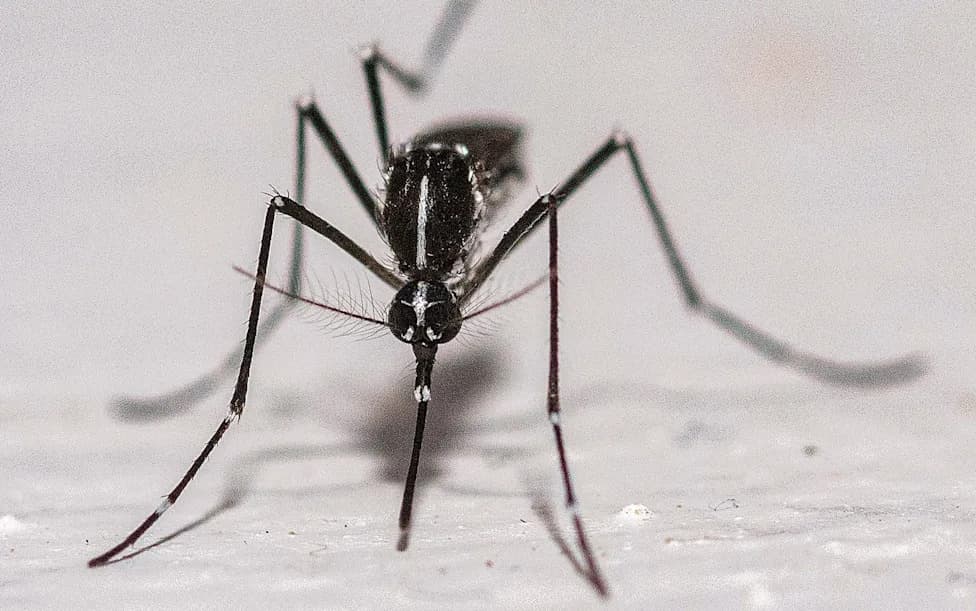
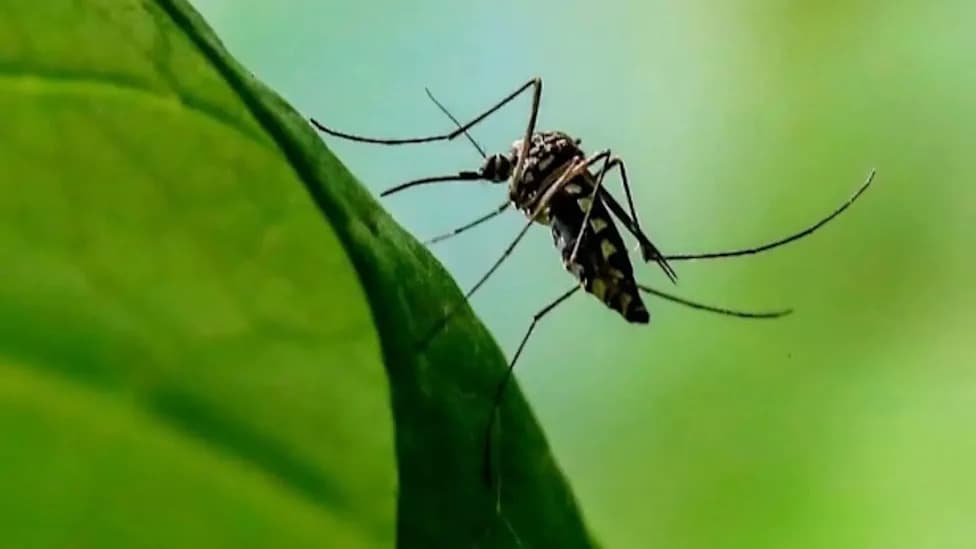
Rising temperatures are helping mosquitoes expand their range and spread diseases faster than before. In response, researchers have engineered a strain of the entomopathogenic fungus Metarhizium to emit a floral-scent compound that attracts mosquitoes and then infects and kills them.
The team identified a naturally produced compound, longifolene, a pleasant aroma found in pine and some flowers, that many mosquitoes use as a cue to find nectar. By boosting the fungus’s production of longifolene, the researchers made the spores especially appealing to mosquitoes seeking sugar sources. When mosquitoes land on the spores, the fungus infects them and kills them within days.
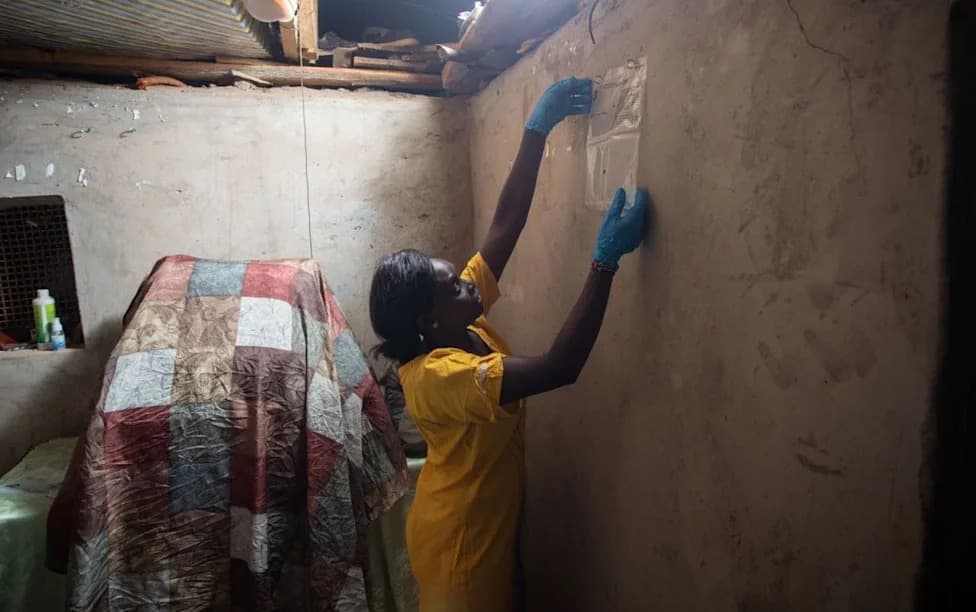
In laboratory trials, the treated fungus caused 90–100% mortality in exposed mosquito populations, even when competing human and floral odors were present. The spores can be placed in small, low-cost containers indoors or outdoors; they release scent for months and can be mass-produced using common agricultural waste as a growth substrate.
"We're letting nature give us a hint to tell us what works against mosquitoes," said Raymond St. Leger, co-author of the paper in Nature Microbiology and professor of entomology.
Longifolene is already used widely in fragrances and is not considered harmful to humans, which may make this approach safer than many chemical insecticides. The method’s simplicity and low production costs could make it a practical option for communities in regions heavily affected by vector-borne diseases such as malaria and dengue.
Practical considerations and next steps
While lab results are promising, the approach will need careful field trials and regulatory review to assess effectiveness in diverse environments, potential non-target impacts, and long-term ecological effects. Researchers emphasize that this strategy is a complementary tool — not a standalone solution — that could be integrated with bed nets, vaccines, and other vector-control measures.
By harnessing mosquitoes’ natural attraction to floral scents and turning it against them, scientists hope this engineered "perfumed fungus" can become a scalable, affordable weapon in slowing the spread of mosquito-borne disease as climates warm.
Help us improve.