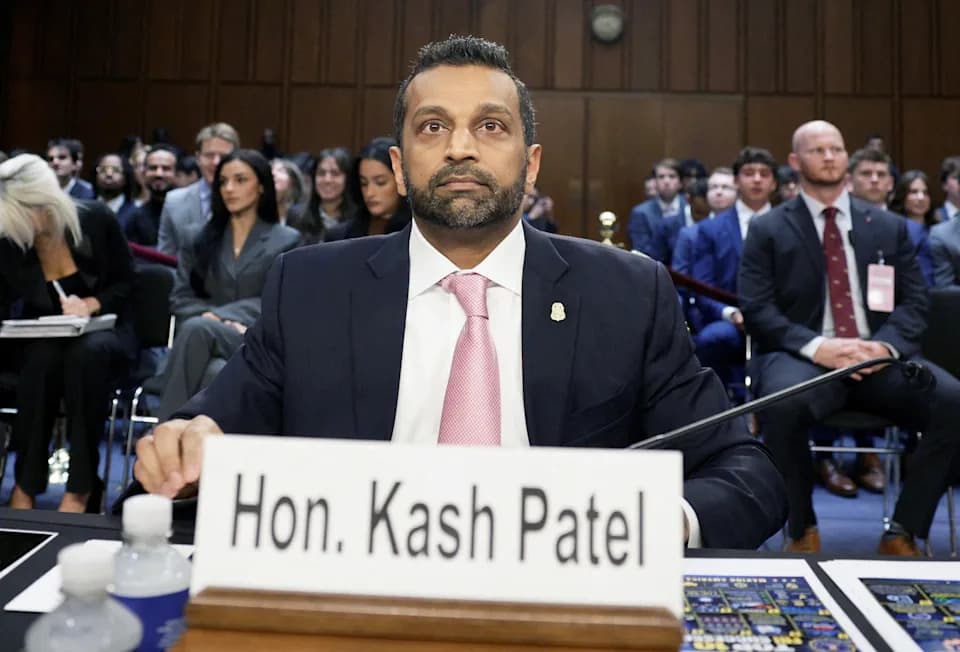
FBI Director Kash Patel and Deputy Director Dan Bongino rejected a 115‑page internal assessment from current and former agents that criticized their leadership. They defended sweeping reforms — including restructuring, redeploying field talent and new national‑security programs — as delivering tighter accountability and measurable public‑safety gains. The internal report described leadership as inexperienced and criticized management culture, while Patel and Bongino said the critiques reflect resistance from a minority opposed to change.
Patel and Bongino Push Back on 115‑Page Internal Report, Defend FBI Reforms

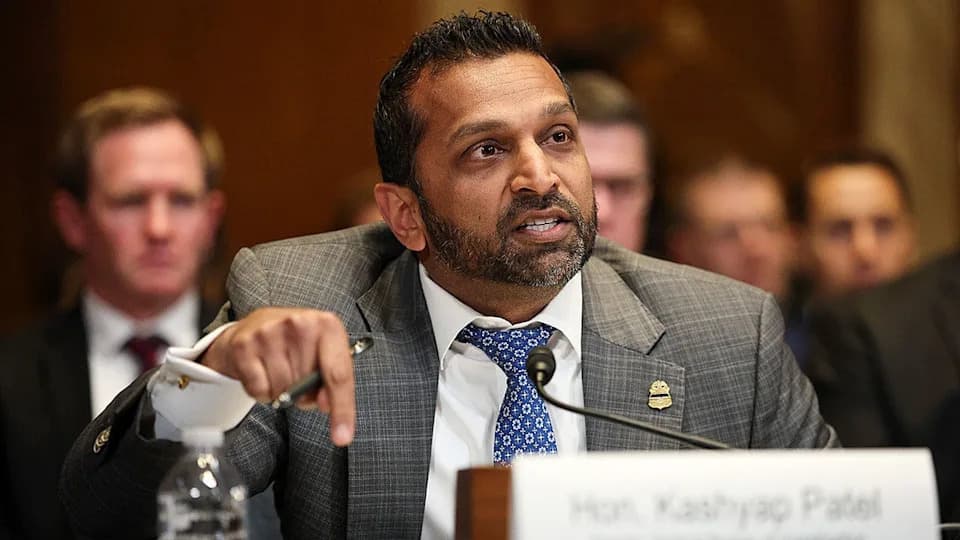
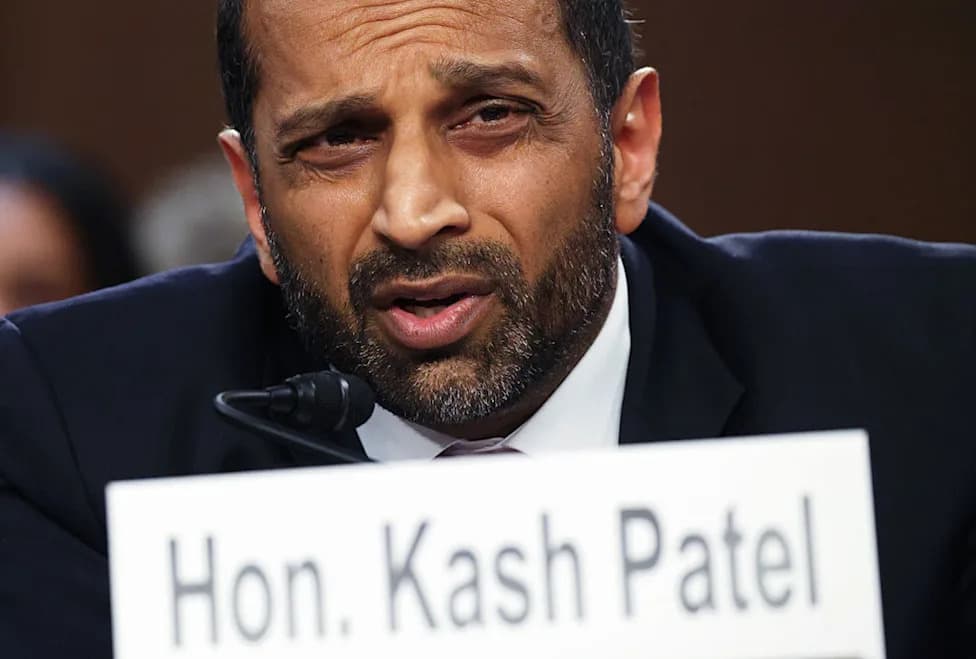
FBI Director Kash Patel and Deputy Director Dan Bongino have rejected a scathing 115‑page internal assessment from current and former bureau personnel, saying their rapid restructuring has strengthened accountability and public safety.
Leadership responds to internal criticism
Bongino said the pair expected objections from a small group of disgruntled employees attached to the previous leadership model, and that those critics were not their intended audience. "Our responsibility is to the American people," he said, adding that under the new leadership the bureau is delivering "tighter accountability, tougher performance standards, billions saved and a mission‑first culture."
"Every reform we carried out this year had a single goal — build an FBI that is faster, stronger, more accountable and fully aligned with protecting the American people," Patel said. "The impact is undeniable — historic drops in crime, major takedowns of criminal and extremist networks and record‑setting arrests across violent crime, espionage, terrorism and child exploitation."
What the internal assessment alleged
The 115‑page document, compiled from interviews and reports provided by roughly two dozen current and former agents and analysts, portrays the bureau as unsettled under the new leadership. According to multiple internal sources cited in the assessment, Patel was described as "in over his head," and Bongino was characterized by some as "something of a clown." The report was prepared in the style of an internal intelligence product and synthesized accounts from sources and sub‑sources about conditions inside the bureau.
Reforms cited by leadership
Patel outlined a list of changes implemented since taking office: a streamlined organizational structure, redeployment of talent from headquarters back into field offices, expanded national security capabilities including a new counter‑drone training program, improved responsiveness for public records requests, and elimination of what he described as billions in waste.
He and Bongino argue these changes have produced measurable results in public‑safety metrics and in the bureau's capacity to pursue complex investigations.
Division and debate within the agency
Supporters of the reforms say they restore focus and efficiency; critics worry that rapid change risks undermining institutional knowledge and long‑standing investigative practices. The public dispute underscores a broader internal debate over the pace and direction of reform as the bureau adapts to new leadership priorities.
Takeaway: Leadership frames the criticism as coming from a minority resistant to change while asserting the bureau's mission remains aligned with public expectations. The tension inside the agency reflects competing views on how best to balance accountability, experience and mission effectiveness.
Help us improve.