The European Commission proposed using $163.2 billion of frozen Russian assets to fund a loan for Ukraine, with $104.9 billion intended to cover most needs over the next two years. Ursula von der Leyen said the loan would strengthen Ukraine's defense and negotiating position. Belgium, which holds the bulk of the assets, opposes the plan and prefers EU-wide borrowing; Russia has threatened legal action. EU leaders were due to vote on the proposal in Brussels later in December.
EU Proposes $163.2B Loan to Ukraine Backed by Frozen Russian Assets — Belgium Raises Concerns

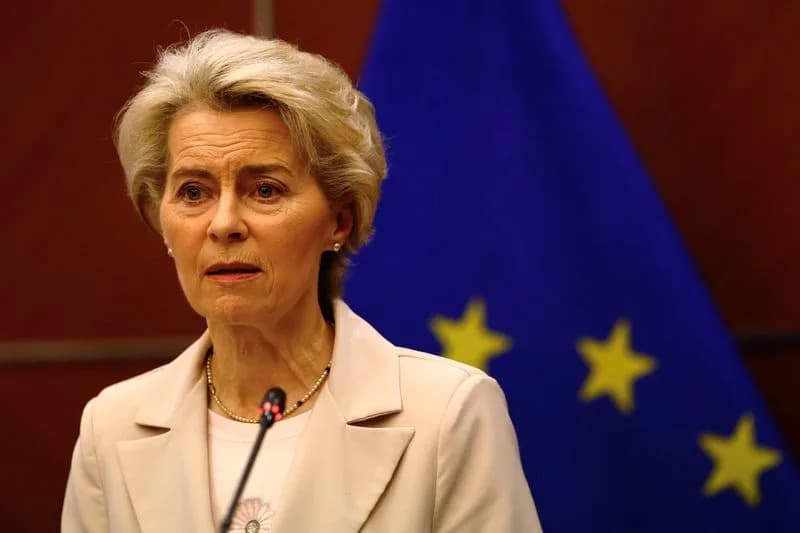
On Dec. 3, the European Commission proposed using $163.2 billion of frozen Russian assets to finance a loan intended to help Ukraine meet its defense and budgetary needs. Commission President Ursula von der Leyen said the measure would give Ukrainians "the means to defend themselves" and help them "take forward peace talks from a position of strength."
Under the proposal, $104.9 billion would be allocated to cover most of Ukraine's needs over the next two years, with the remainder expected to come from international partners. The Commission presented the plan as a way to stabilize Ukraine's finances and strengthen its defense industry during the conflict.
Belgium, which holds the largest share of the frozen assets, voiced strong reservations. Belgian Foreign Minister Maxime Prévot warned that repurposing those funds could jeopardize diplomatic efforts and peace negotiations, and instead urged that the EU raise money through collective borrowing on the markets.
Some EU officials indicated a hybrid approach might be feasible — combining common EU borrowing with selective use of frozen assets — but said using the seized assets is the Commission's preferred option. Russia condemned the proposal and warned it could pursue legal action if the plan is implemented.
EU leaders were expected to vote on the proposal at a summit in Brussels later in December, where member states will weigh legal, diplomatic and financial implications before deciding how to proceed.
Key implications
The proposal raises complex questions about legal ownership of frozen assets, the precedent for using seized funds, and potential diplomatic fallout. Officials say any move would require robust legal safeguards and international coordination to withstand challenges and preserve support for Ukraine.
Help us improve.