Archaeologists excavating Vysokaya Mogila–Studenikin Mar in Russia’s Southern Urals uncovered a large Iron Age sacrificial necropolis containing more than 100 major bronze objects, gold ornaments and rare equestrian gear. The primary deposit included about 100 principal artifacts and some 500 smaller decorative items, among them 12 intricately decorated circular plaques. Ritual objects and dating place the site in the late 4th–early 3rd century B.C., and researchers say the finds link the region to wider nomadic networks across the North Caucasus, Don and northern Black Sea areas.
Massive Iron Age Sacrificial Necropolis Unearthed in the Southern Urals

Archaeologists from the Institute of Archaeology at the Russian Academy of Sciences have uncovered a large sacrificial necropolis at Vysokaya Mogila–Studenikin Mar in Russia’s Orenburg Region, in the Southern Ural Mountains. The summer excavations by the Ural Archaeological Expedition revealed a rich cache of grave goods tied to Iron Age nomadic elites.
Discovery and key finds
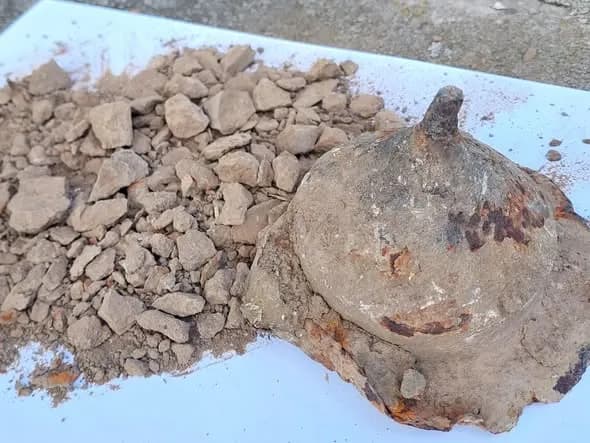
The primary deposit was recovered from a shallow, circular pit and contained more than 100 major bronze objects, gold ornaments and rare equestrian pieces. Excavators catalogued about 100 principal artifacts and roughly 500 smaller decorative items. Notable finds include several complete bridle sets with iron bits, horn components and metal cheek-pieces known as psalia, as well as iron girth buckles, harness fittings and a range of bronze and bone bridle ornaments.
Among the most striking objects were 12 flat, circular plaques decorated with intricate dotted patterns and figurative imagery, including birds, mythical beasts and swastika motifs used in pre-modern contexts. The deposit also contained ritual items such as a wooden bowl fitted with silver mounts, boar jawbones and a broken ceramic vessel.
Dating and ritual context
Radiocarbon and contextual evidence place the burial and associated rites in the late 4th century through the early 3rd century B.C. The combination of horse gear and votive objects points to carefully prescribed burial and post-burial practices practiced by high-status nomadic groups in the Southern Urals during this period.
Regional significance
Several of the discoveries—including the decorated plaques and portions of the equestrian equipment—are first-time finds for this part of the Urals. Researchers note clear parallels between these high-status items and material unearthed in complexes across the North Caucasus, the Don basin and the northern Black Sea littoral. The patterning and distribution of objects underline extensive cultural networks that linked Iron Age nomadic communities across the Eurasian steppe and illuminate dynamics of elite display, mobility and ritual practice.
Ongoing analysis of the assemblage, including material studies and comparative typology, will refine understanding of trade, craftsmanship and social connections in the region during the early Iron Age.
Help us improve.