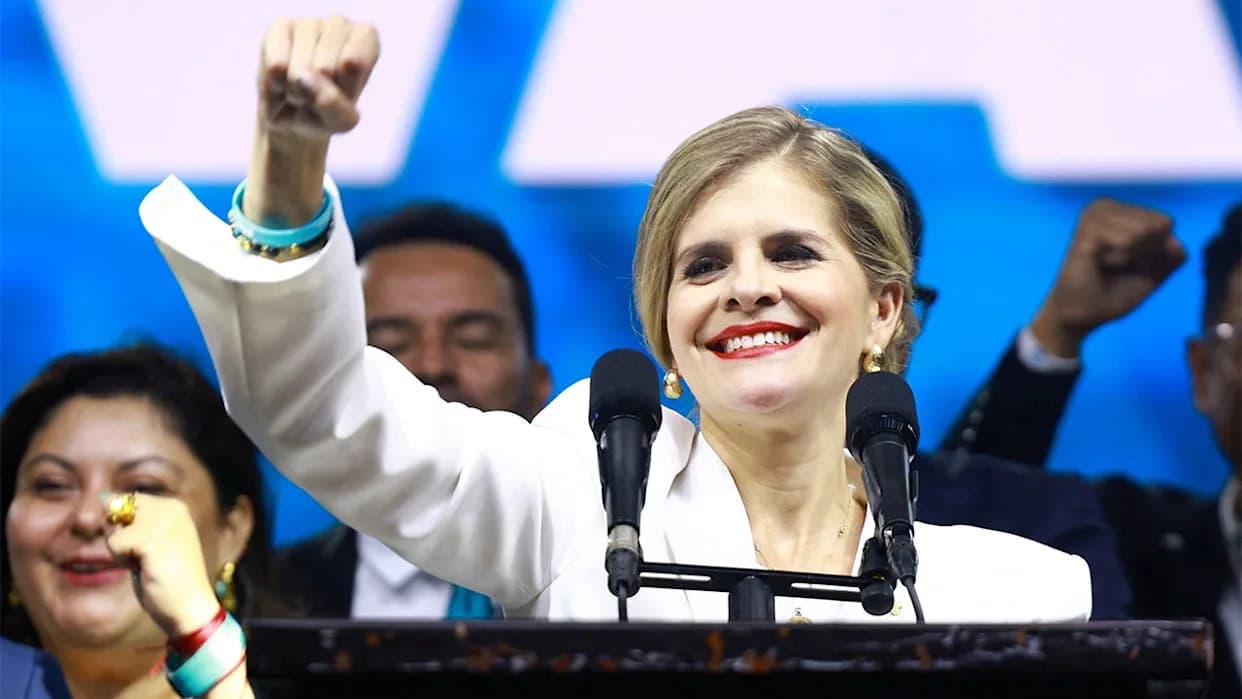
The National Electoral Council is embroiled in internal conflict after CNE member Cossette Lopez-Osorio accused colleague Marlon Ochoa of sending party supporters to block a press briefing and intimidate officials. With Salvador Nasralla narrowly ahead at 39.93% and Nasry "Tito" Asfura at 39.86%, roughly 20% of ballots remain uncounted and technical failures have hampered result reporting. The dispute follows an ongoing investigation into leaked audio recordings and raises the prospect of legal challenges as the final outcome remains uncertain.
Honduras Election Tensions Rise as Councillor Accuses Colleague of 'Intimidation' Amid Tight Count

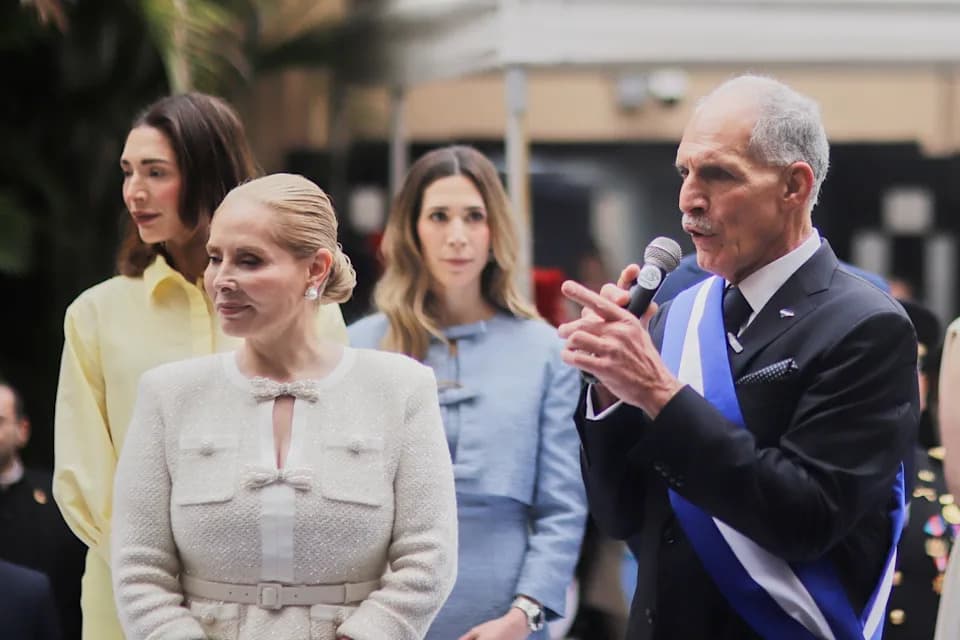
A member of Honduras's National Electoral Council (CNE), Cossette Lopez-Osorio, has accused fellow councillor Marlon Ochoa of trying to disrupt the announcement of vote tallies by sending supporters to block a press briefing and engaging in what she described as "intimidation." The allegation comes as the presidential vote remains extremely close and counting continues.
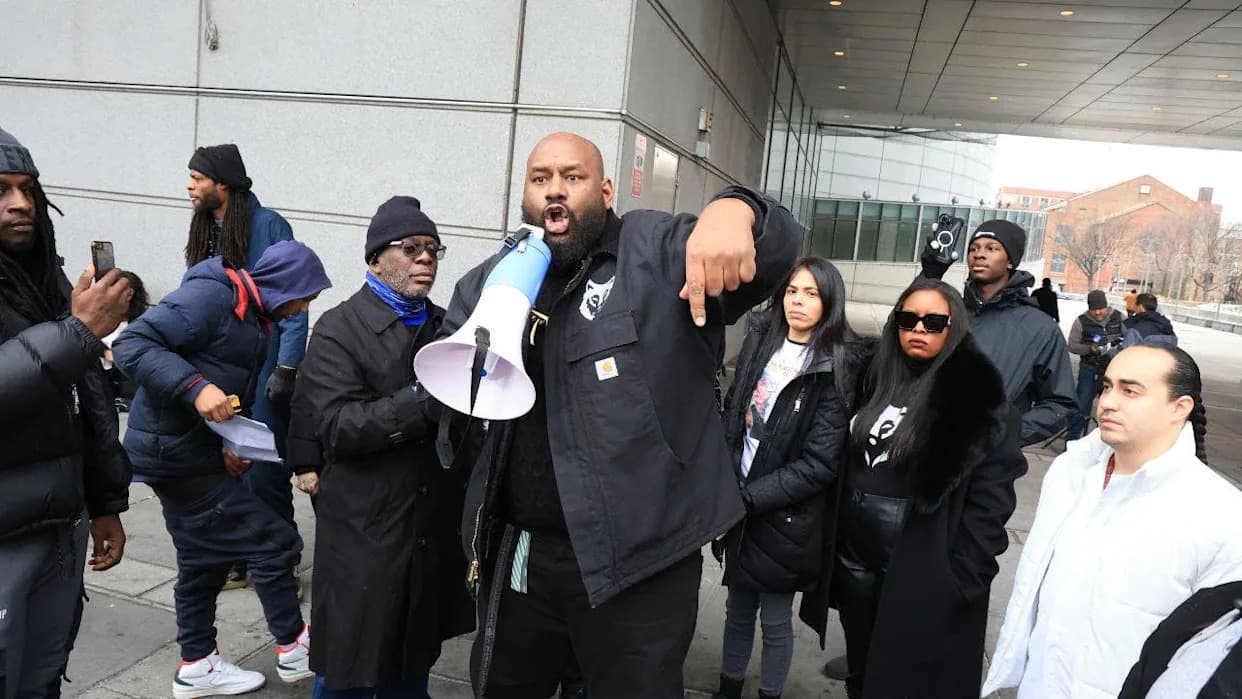
Lopez-Osorio said the planned press conference to resume releasing results was disrupted after Ochoa opposed restarting the process and allegedly dispatched members of the LIBRE party and his staff to the Hotel Plaza Juan Carlos to prevent the public appearance.
A razor‑thin race
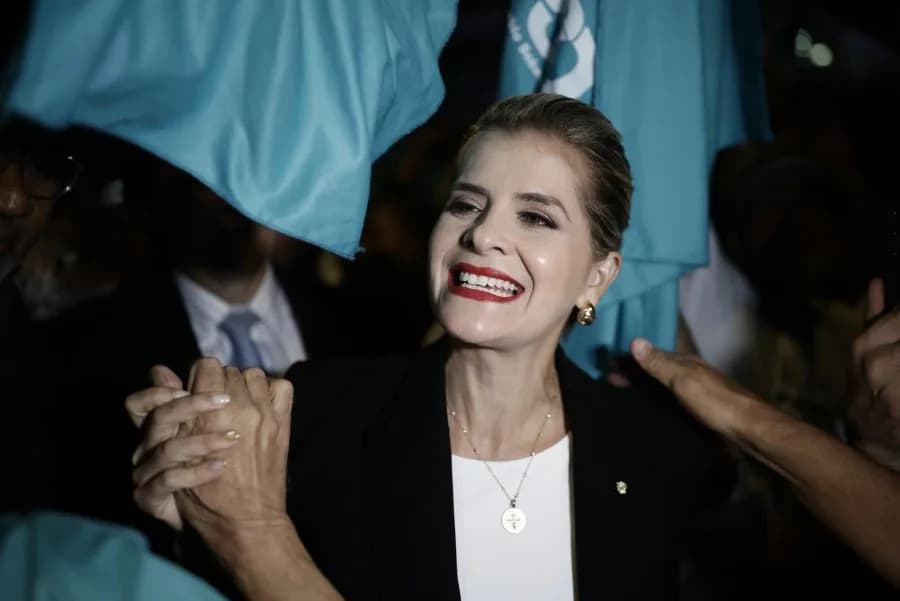
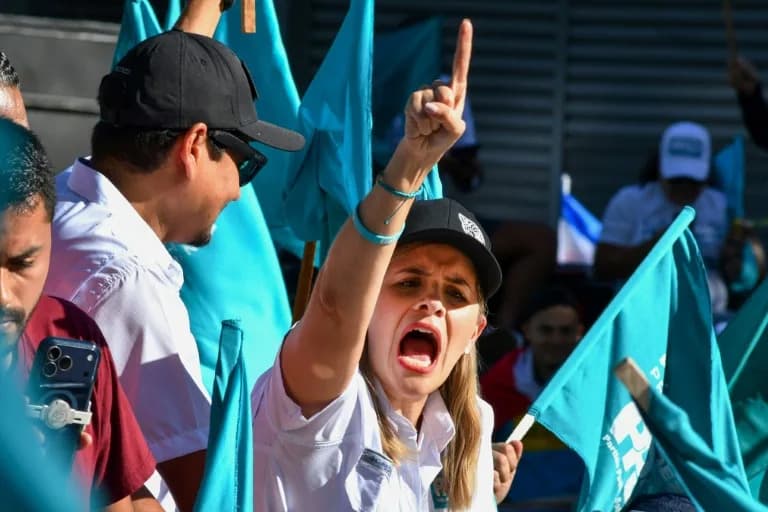
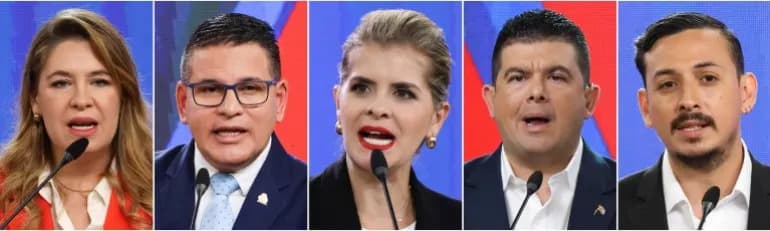
As tallies continued, Salvador Nasralla of the centre-right Liberal Party led narrowly with 39.93% to Nasry "Tito" Asfura of the right‑wing National Party at 39.86%, while left‑leaning LIBRE candidate Rixi Moncada — once a frontrunner — trailed behind. The CNE reported roughly 20% of ballots remained to be counted, leaving the outcome uncertain and margins potentially reversible.
Longstanding disputes inside the CNE
The CNE is run by a three-member panel, with each councillor appointed by the legislature to represent one of the country's main parties: the Liberal Party, the National Party and LIBRE, the party of outgoing President Xiomara Castro. Lopez-Osorio represents the National Party and has had a fractious relationship with her LIBRE counterpart, Marlon Ochoa.
In October, Ochoa filed a complaint with prosecutors claiming audio recordings implicated Lopez-Osorio in conversations with the military to influence results. Lopez-Osorio has denied those claims, calling the recordings fabricated, and the attorney general opened an investigation into the matter on October 29.
Technical problems and other flashpoints
Separately, the vote count has been hampered by technical problems with the results disclosure platform and intermittent website crashes. Lopez-Osorio said in an interview that the issues are "literally a technical failure" and denied they were part of an orchestrated plot. She added that the CNE was working with the technology provider, ASD SAS, to resolve transmission and disclosure problems so that data are again continuously available to the public.
The electoral process has faced other stressors: in October the head of the armed forces suggested the military might conduct its own count — a move rejected by the CNE president and judged by legal experts to lack constitutional grounding — and observers have reported operational problems during voting day, including late arrivals of election materials and long lines at polling stations.
Political fallout and possible challenges
The tense environment has produced immediate political reactions. Former U.S. President Donald Trump — a public supporter of Asfura — posted allegations of fraud on his social platform, warning of consequences if results were changed. Rixi Moncada has signaled she may legally contest the outcome and has cited the earlier leaked audio recordings as evidence of a plot against her movement.
Lopez-Osorio urged Hondurans to remain vigilant and called for transparency as the CNE works to complete the count in the coming days. With narrow margins and a substantial portion of ballots still unprocessed, the final result may be the subject of disputes or judicial review.
Key facts: Two leading candidates are separated by tenths of a percentage point; ~20% of ballots remain to be counted; the CNE faces internal disputes, an ongoing probe into leaked recordings, technical failures in result reporting, and claims of potential military interference.
Help us improve.