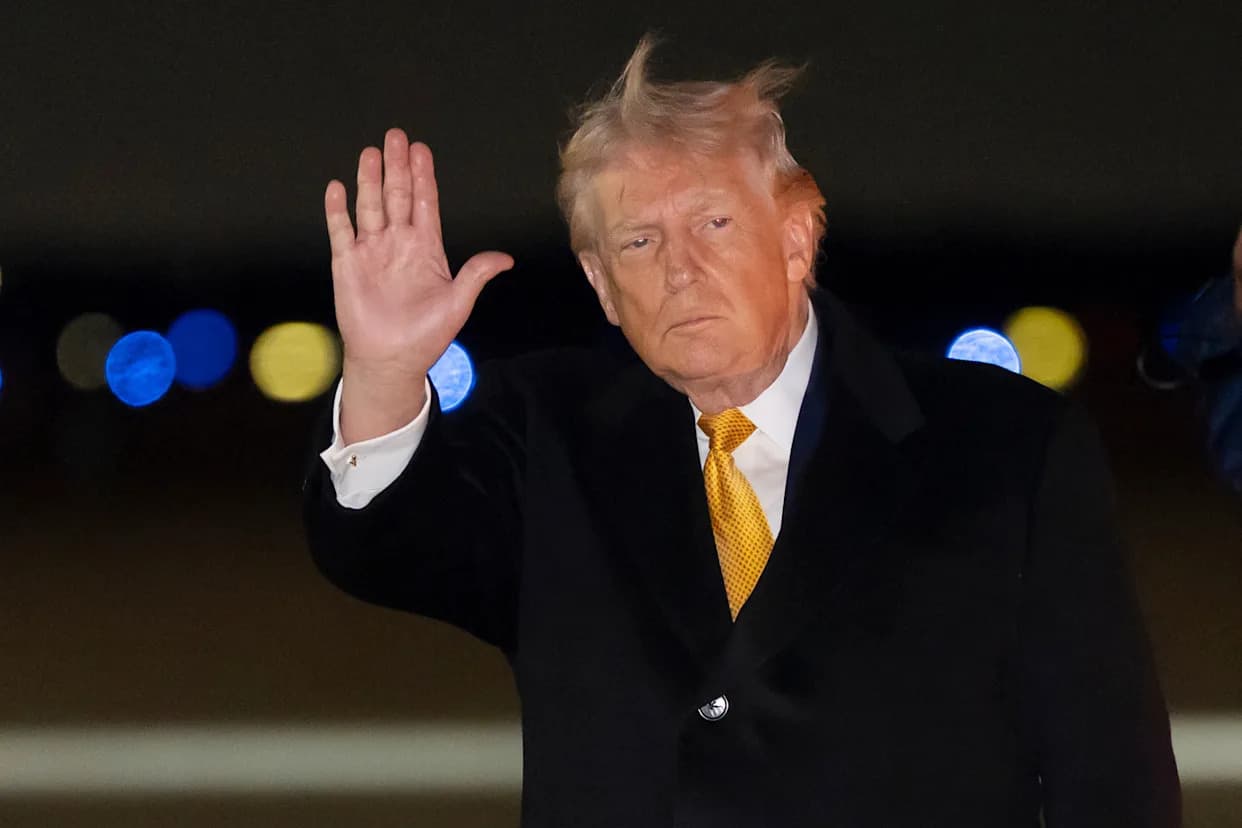
President Trump told a Cabinet meeting he does not want Somali immigrants in the U.S., claiming they rely heavily on welfare and "contribute nothing." His comments came days after the administration paused asylum decisions following the shooting of two National Guard soldiers in Washington. Although the suspect was reported to be from Afghanistan, Mr. Trump broadened his criticism to include people from Somalia and urged them to return home and "fix" their country. The remarks have drawn swift criticism for their inflammatory tone and raised questions about immigration policy and rhetoric.
Trump Tells Somalis 'Go Home,' Says They 'Contribute Nothing' and Urges Them to 'Fix' Their Country

During a lengthy Cabinet meeting on Tuesday, President Donald Trump said he did not want Somali immigrants living in the United States, arguing they rely heavily on U.S. welfare programs and "contribute nothing" to the country.
The remarks came days after the administration announced it was pausing all asylum decisions following the shooting of two National Guard soldiers in Washington. Although the suspect in that incident is said to be originally from Afghanistan, Mr. Trump used the moment to question immigration from other countries and singled out Somalia.
"They contribute nothing. The welfare is like 88% or something. They contribute nothing. I don’t want them in our country," he said, adding later, "Their country is no good for a reason. Your country stinks and we don’t want them in our country."
Mr. Trump's comments — including the repeated claim about welfare dependency — were delivered forcefully and have prompted immediate criticism and concern from immigration advocates and some lawmakers. Critics say the language is inflammatory and risks stigmatizing entire communities rather than addressing specific security or policy issues.
Context and implications
The administration's pause on asylum decisions followed heightened attention to security and immigration screening after the Washington shooting. While officials cite safety reviews, opponents argue that broad pauses and sweeping statements about entire nationalities fuel xenophobia and distract from targeted policy solutions.
As debate continues over asylum processing and border policy, these remarks are likely to intensify scrutiny of the administration's approach to immigration and its rhetoric toward immigrant communities.
Help us improve.