The Sudanese Armed Forces deny RSF claims to have captured Babnusa, saying they repelled a recent attack though fighting continues. The RSF released footage showing fighters in an army base and appears to control the army headquarters. Babnusa is a strategic gateway to Darfur and western Sudan; its loss would strengthen RSF access and could open a route toward el-Obeid. The clashes follow recent RSF gains, allegations of widespread abuses, and contested ceasefire efforts involving regional mediators.
Sudan: Army Rejects RSF Claim of Babnusa Capture as Intense Fighting Continues

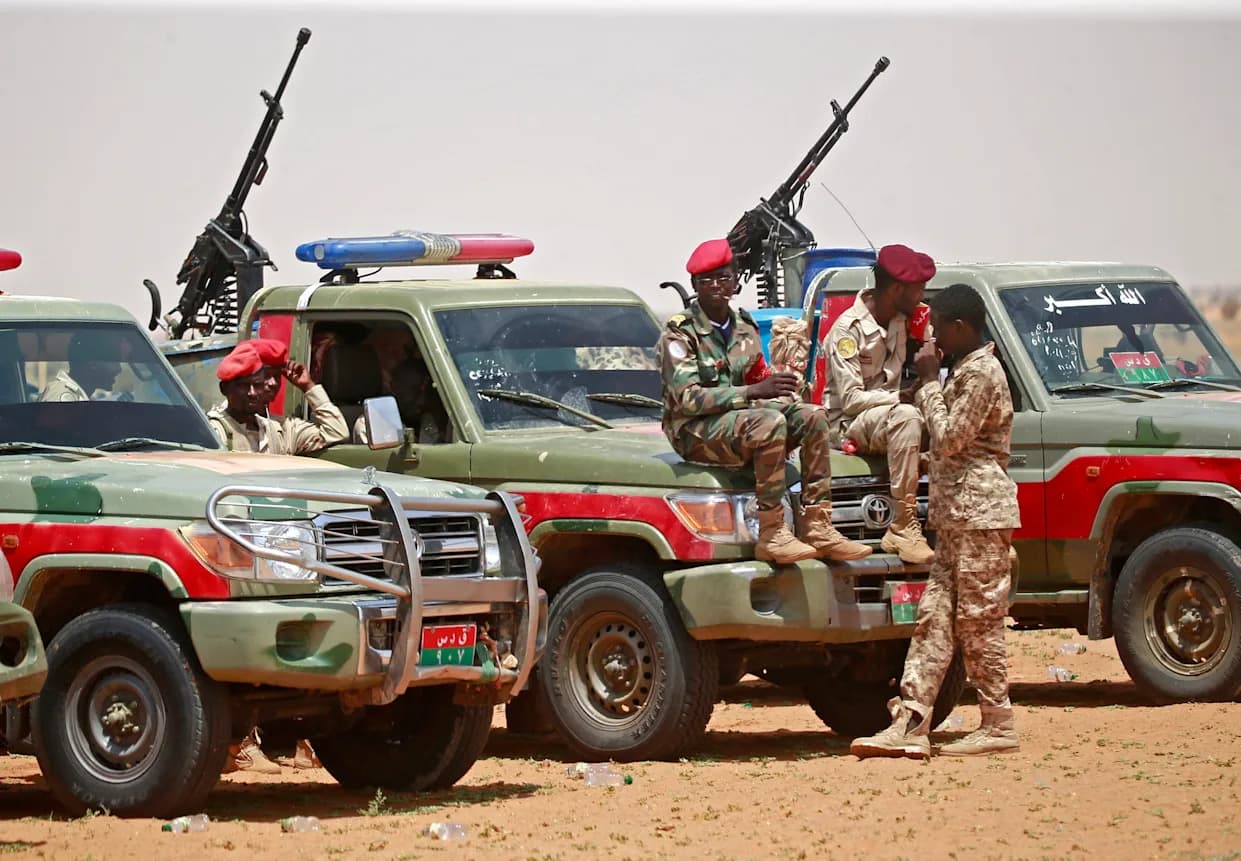
The Sudanese Armed Forces (SAF) on Tuesday rejected claims by the Rapid Support Forces (RSF) that the paramilitary group had seized the West Kordofan town of Babnusa, saying SAF units repelled a fresh assault and remain engaged in fighting in the area.
The RSF released video footage showing fighters entering and claiming control of an army base after what it described as a weeks-long siege. The SAF countered that battles are ongoing and that many government fighters are still operating inside the town.
“The RSF launched a new attack on the city, which our forces decisively repelled,” the SAF spokesperson said in an official statement. Field reporting from Khartoum confirmed that while elements of the SAF remain in Babnusa, the RSF appears to control the army headquarters.
Babnusa is widely regarded as a strategic gateway to Darfur and western Sudan. Analysts warn that if the RSF consolidates control of the town, it would strengthen the group’s hold on West Kordofan, secure critical access routes across western Sudan and potentially enable a push toward el-Obeid in North Kordofan.
Recent RSF advances follow the capture of el-Fasher, the last major army stronghold in Darfur. Humanitarian workers and witnesses report serious abuses attributed to RSF fighters, including killings, sexual violence and kidnappings. These allegations have heightened concerns among aid agencies and international observers.
The clashes also appear to have undermined a unilateral ceasefire the RSF announced after mediation efforts by Egypt, Saudi Arabia, the United Arab Emirates and the United States. The SAF rejected the ceasefire terms as overly favorable to the RSF and accused the group of continuing offensive operations despite its declaration. The SAF’s statement also alleged ongoing external support for the RSF; those accused have denied involvement.
Military analysts caution that the fall of Babnusa would carry significant political and logistical consequences. Kholood Khair, director of a UK-based risk consultancy, described Babnusa as an important commercial center and regional hub whose loss would bring the RSF several steps closer to Khartoum. Observers note the RSF’s broader momentum and alliances, including other groups that control parts of South Kordofan.
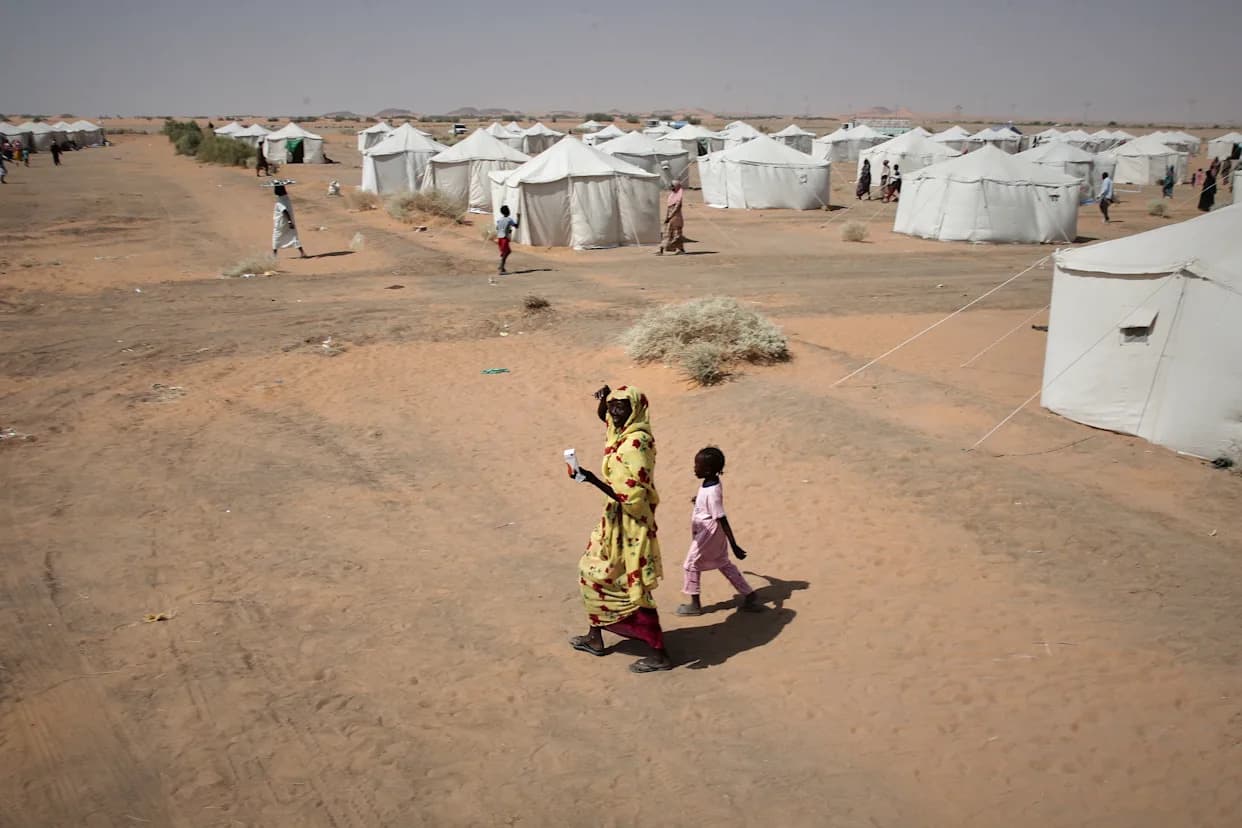
As the situation remains fluid, the risk of further civilian displacement and deteriorating humanitarian conditions is acute. Independent verification on the ground is limited, and multiple parties continue to release competing accounts of control and casualties.
Help us improve.