Sen. Bernie Moreno (R-Ohio) will introduce the Exclusive Citizenship Act of 2025, a bill requiring U.S. citizens who hold foreign nationality to choose one citizenship. Dual nationals would have one year to renounce their foreign citizenship or notify DHS they intend to renounce U.S. citizenship; failure to act would be treated as automatic relinquishment. The measure would require State and DHS to build tracking systems and is expected to face significant legal and practical challenges.
Sen. Bernie Moreno's 'Exclusive Citizenship Act' Would Force Dual Nationals to Choose One Country

Sen. Bernie Moreno (R-Ohio) plans to introduce the Exclusive Citizenship Act of 2025, legislation that would require U.S. citizens who hold another nationality to choose between the United States and the other country. The proposal would also treat any American who later acquires a foreign citizenship as having effectively relinquished U.S. citizenship.
"It was an honor to pledge an Oath of Allegiance to the United States of America and only to the United States of America. Being an American citizen is an honor and a privilege — and if you want to be an American — it’s all or nothing. It’s time to end dual citizenship for good."
Under current law, Americans may hold dual citizenship without being required to choose a single allegiance. Moreno's bill would amend immigration statutes so that people with dual nationality must make an explicit election. The legislation would give dual citizens one year from enactment to either submit a renunciation of their foreign citizenship to the Secretary of State or notify the Department of Homeland Security (DHS) that they intend to renounce U.S. citizenship.
If a person fails to comply within the one-year window, the bill states they would be considered to have relinquished U.S. citizenship automatically. For those who lose U.S. citizenship—whether voluntarily or by operation of the new rule—the DHS and the attorney general would be required to record them in federal systems and treat them as noncitizens for immigration purposes.
The bill would also direct the State Department and DHS to create databases and regulations to track and enforce the new requirements, a measure likely to raise operational and privacy concerns. Supporters say the measure is intended to guard against "conflicts of interest and divided loyalties," while critics argue it could strip rights from lawful Americans and impose a heavy administrative burden.
Potential legal and practical challenges
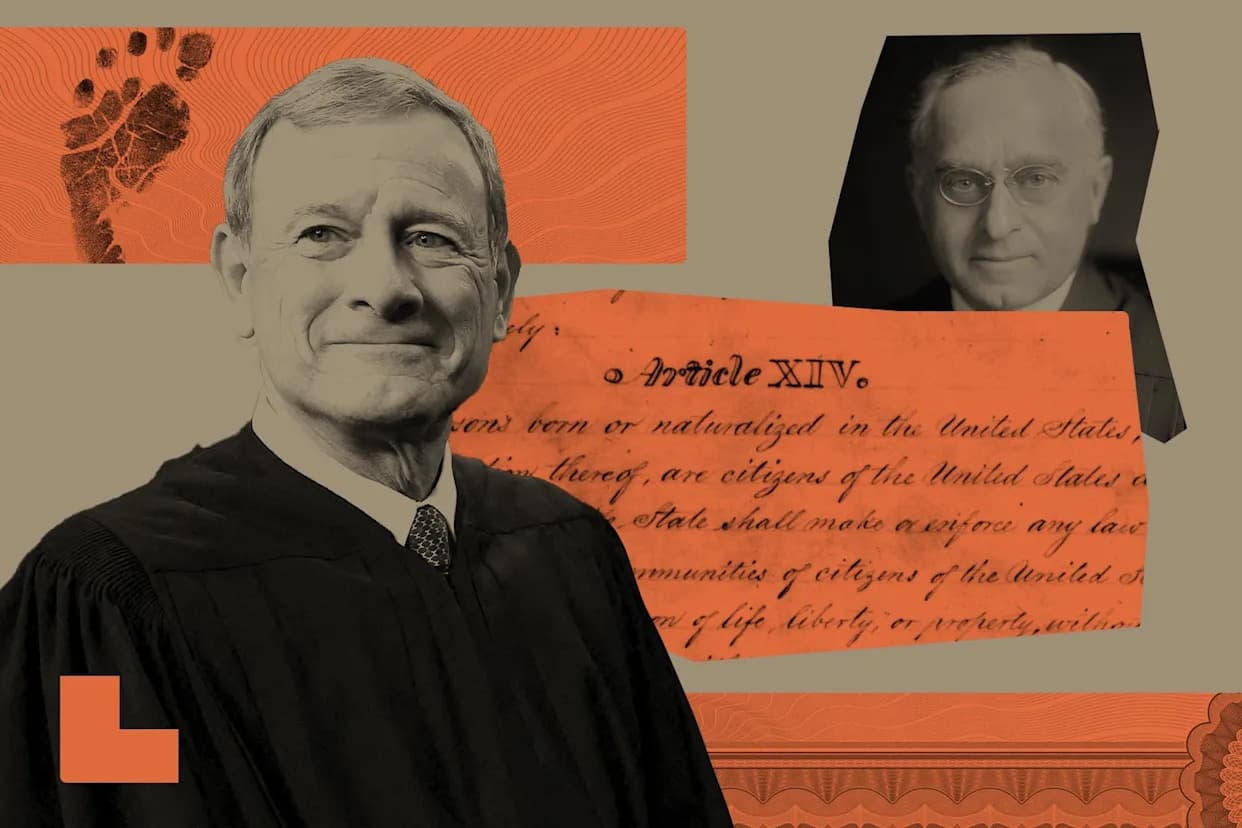
Legal experts expect the measure to face significant judicial review. The Supreme Court has addressed aspects of dual citizenship and nationality law in prior mid-20th-century rulings, and longstanding legal precedent and constitutional questions—such as due process and equal protection—could shape how courts evaluate the bill.
Beyond legal hurdles, implementation would pose practical difficulties: establishing reliable records of foreign renunciations, protecting personal data in any federal database, and managing the immigration consequences for people suddenly reclassified as noncitizens. Previous congressional proposals have sought to limit dual citizens' eligibility to serve in public office, and this bill would be the most sweeping federal effort in recent years to end or dramatically curtail dual nationality.
Whether the administration will endorse the measure is unclear. If enacted, the Exclusive Citizenship Act would represent a major change to American nationality law with wide-reaching legal, administrative, and human consequences.
Help us improve.