Peru declared a 60-day state of emergency in the Tacna region and militarized the international route with Chile after a surge in irregular migration left many migrants stranded at the northern frontier. Chilean and Peruvian officials met virtually to coordinate responses focused on strengthening controls and rerouting flows, while local authorities warn of growing crowding at key crossings. Analysts say political rhetoric in Chile has intensified movements and that closing legal crossings risks pushing people onto dangerous irregular routes, highlighting the need for regional coordination and longer-term migration policies.
Peru Militarizes Tacna Border with Chile as Migrants Become Stranded; Regional Coordination Urgently Needed

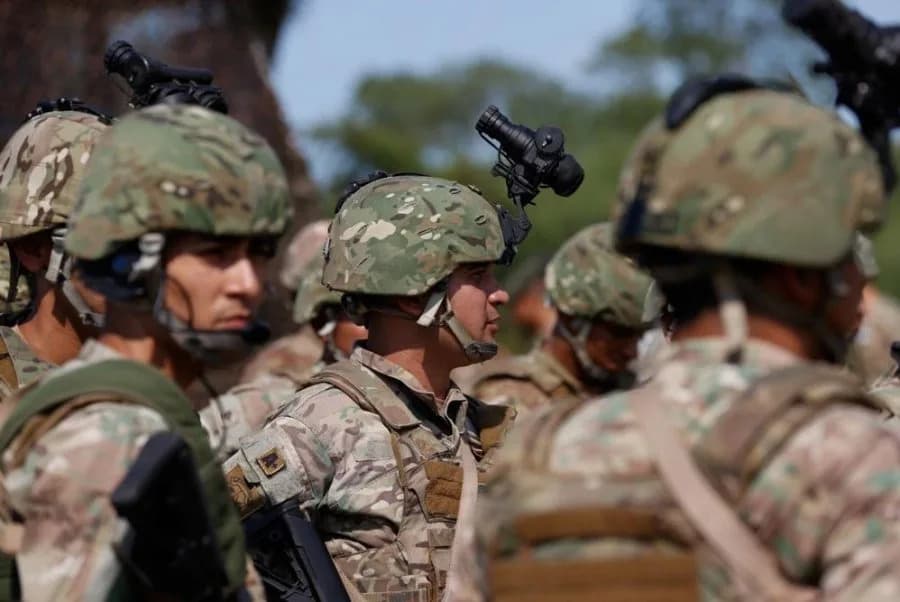
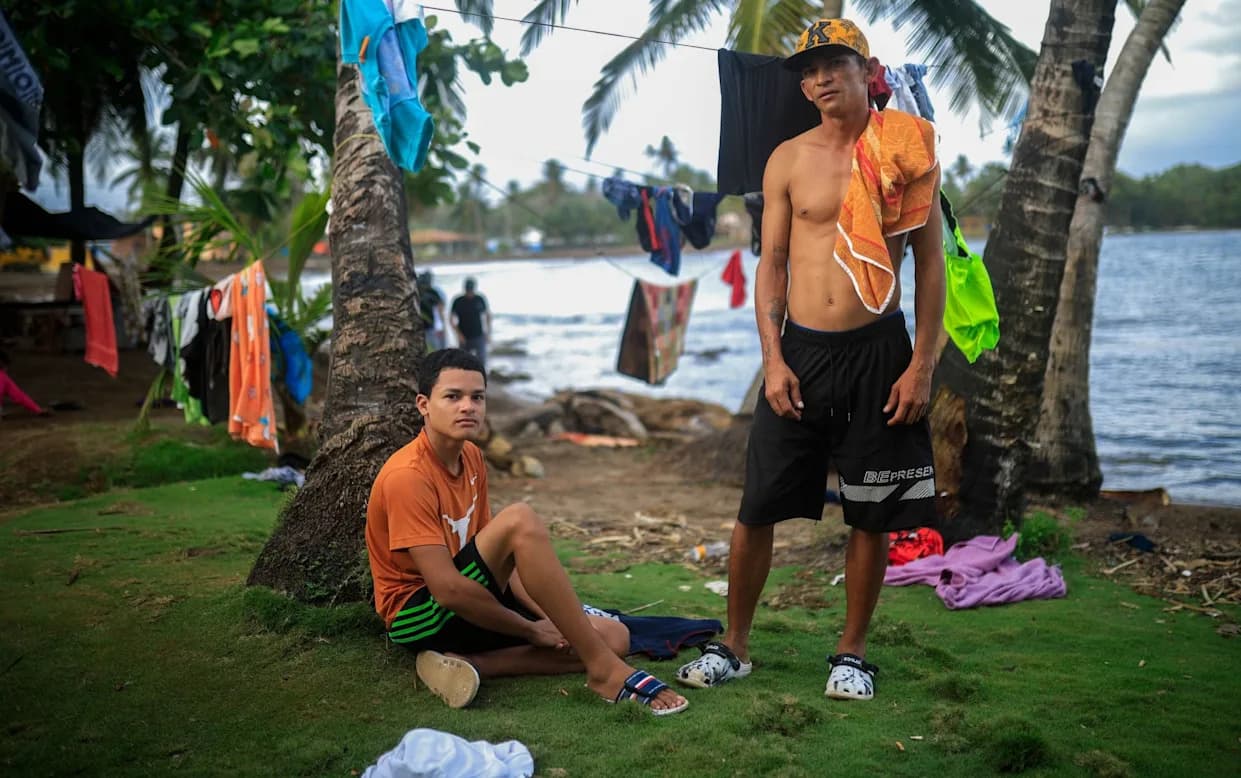
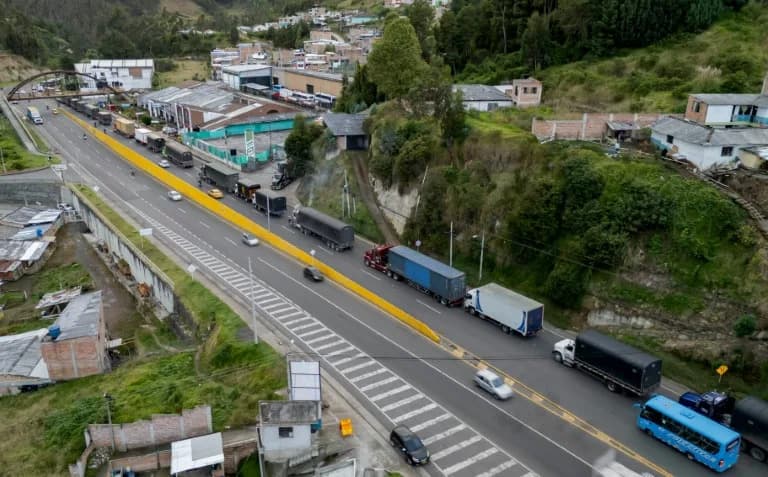
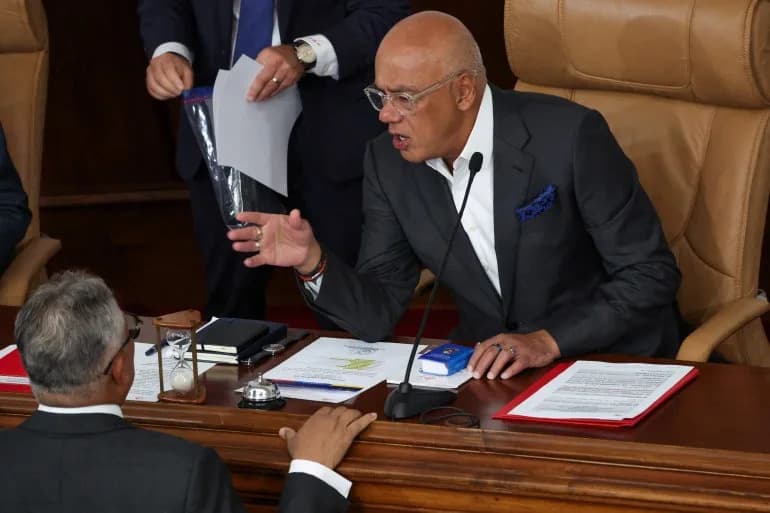
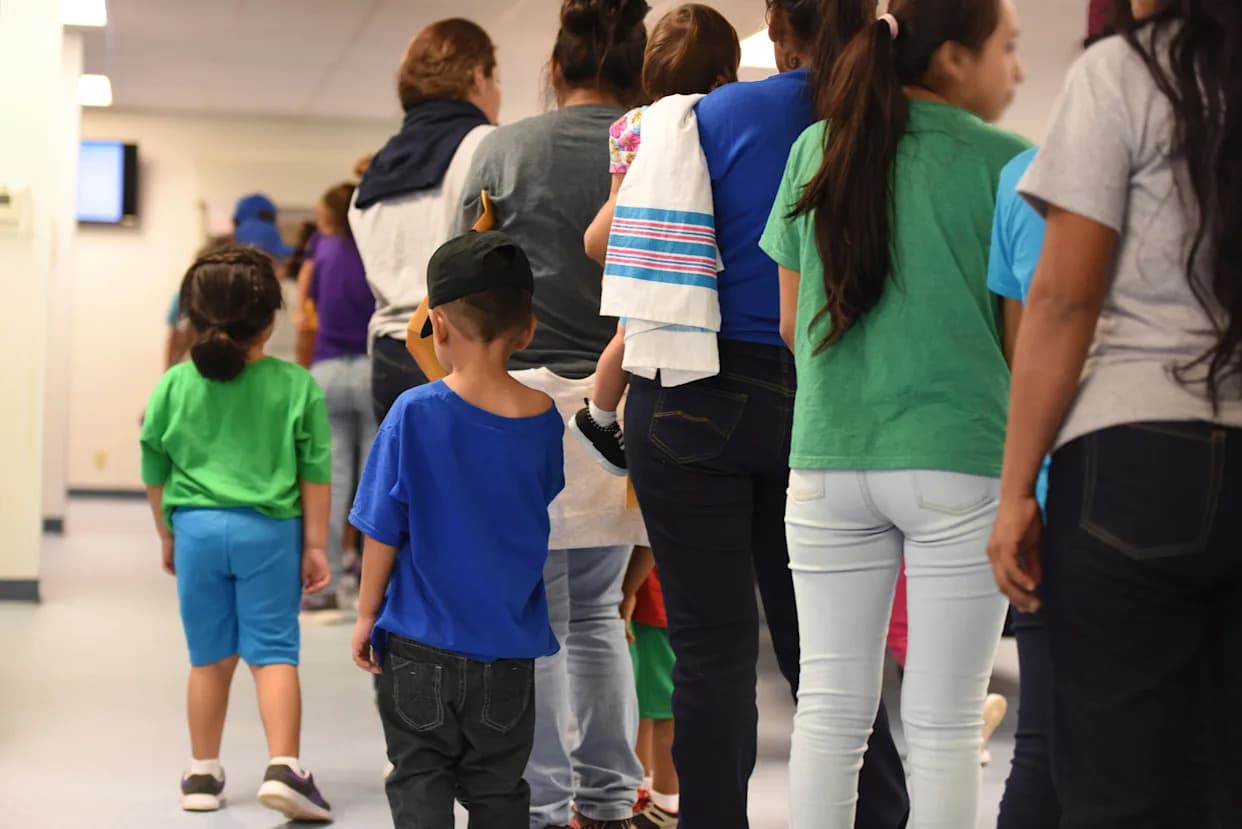
Chile and Peru held a virtual meeting after Peru's interim president, José Jerí, ordered the militarization of border crossings in the Tacna region amid a rise in irregular migration. The declaration of a 60-day state of emergency placed the international route between the two countries under military control and has left migrants from Venezuela, Ecuador, Colombia and Haiti stranded along the northern frontier.
Chile's undersecretary of the interior, Víctor Ramos, said the talks focused on strengthening border controls and exploring ways to redirect and assist migrant flows, while stressing that the situation did not constitute a bilateral crisis.
"There is no crisis at our borders. There is border control, there is a reduction in irregular migration and we have a specific problem in the area between the Santa Rosa and Chacalluta complexes, where people remain because they cannot cross into Peru," Ramos said.
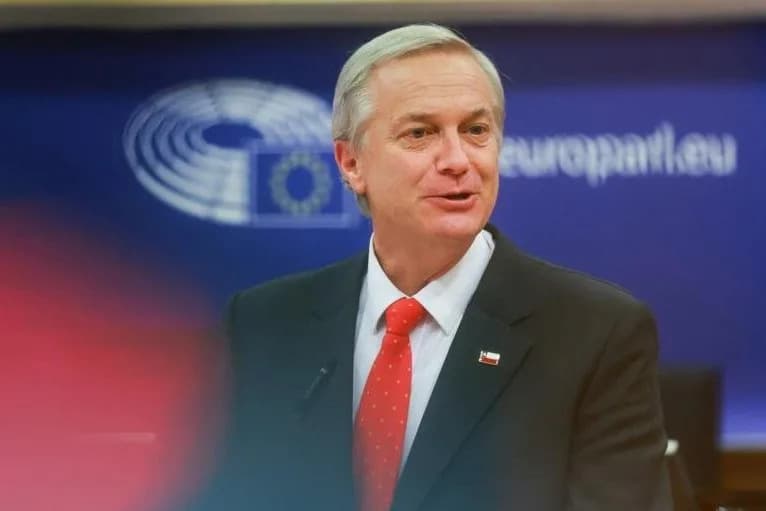
Analysts say the recent move is linked in part to domestic politics in Chile. Presidential candidate José Antonio Kast has publicly urged irregular migrants to leave the country and warned of expulsions if he takes office, prompting fear among migrants and increasing movement toward other borders.
Byron Duhalde, director of the Center for Migration Studies at the University of Santiago, said the political climate has pushed many migrants to seek alternative routes or return to their countries of origin, which has in turn increased crowding at border points where migrants lack necessary documentation.
"The presidential candidate is leading in the polls, which is creating fear among migrants in irregular situations and prompting them to start looking for other destination countries or return to their countries of origin," Duhalde said. "That has increased the number of people at border crossings, mainly with Peru, and because they are in an irregular situation and lack documentation, they cannot leave, which creates crowding."
Local officials warn the situation could worsen without coordinated contingency planning. Diego Paco, governor of Chile's Arica and Parinacota Region, said the number of stranded people could rise substantially from late December through March if Peru enforces a stricter closure or reinforces the area with military personnel.
Ramos highlighted a longer-term trend: irregular migration into Chile rose sharply between 2018 and 2021, a period during which arrivals increased by roughly 700%. Experts say closing formal crossings risks diverting travelers onto irregular and dangerous routes where criminal networks operate.
Why this matters
Public-security measures such as militarization and emergency declarations may reduce immediate unauthorized crossings but can create humanitarian bottlenecks and increase the influence of organized crime when regular channels are shut. Observers call for a coordinated, regional approach with medium- and long-term policies to manage human mobility safely and humanely.
Peru has used similar measures before: in 2023 the government declared a state of emergency in Tacna and temporarily closed the border to undocumented travelers, citing the need to preserve internal order. The current episode underscores the need for joint contingency plans and clearer communication between neighboring countries to avoid humanitarian and security risks along shared frontiers.
Help us improve.