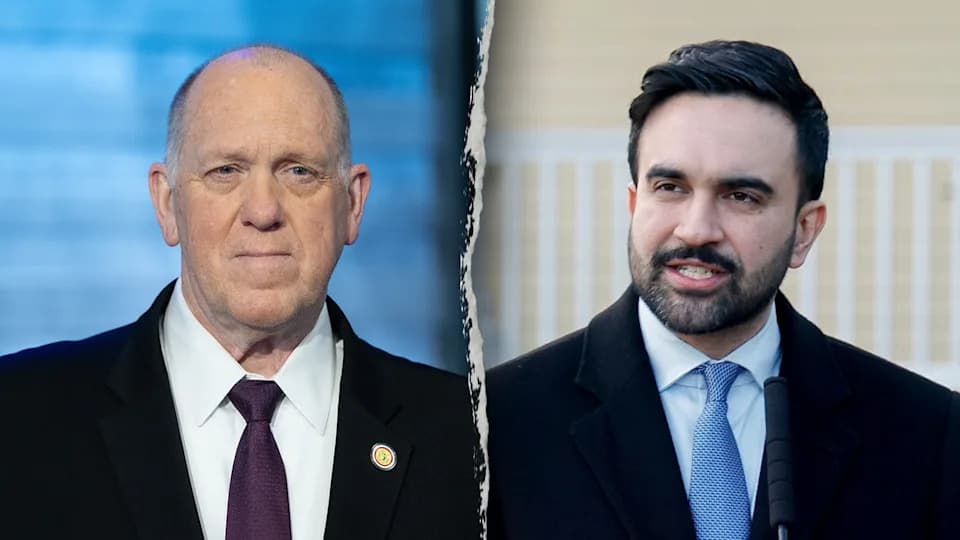
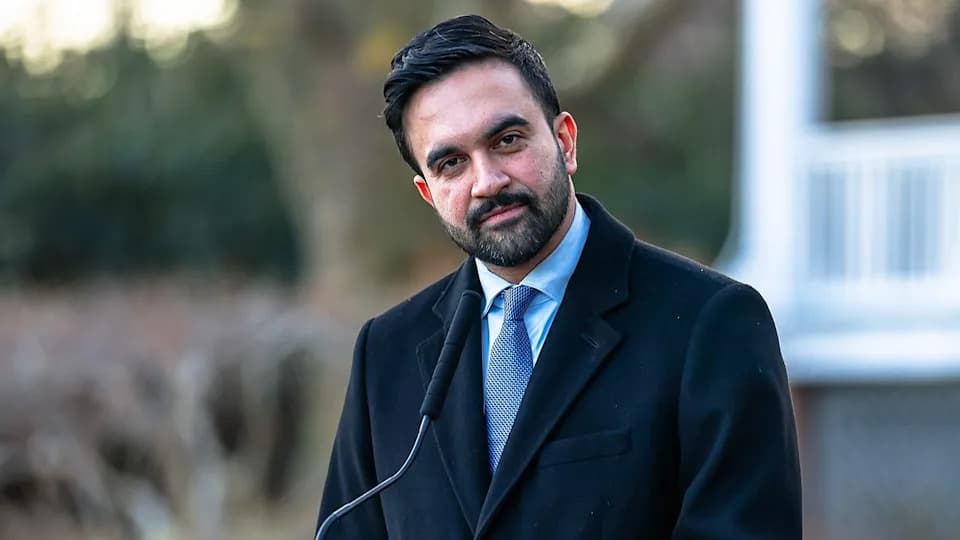
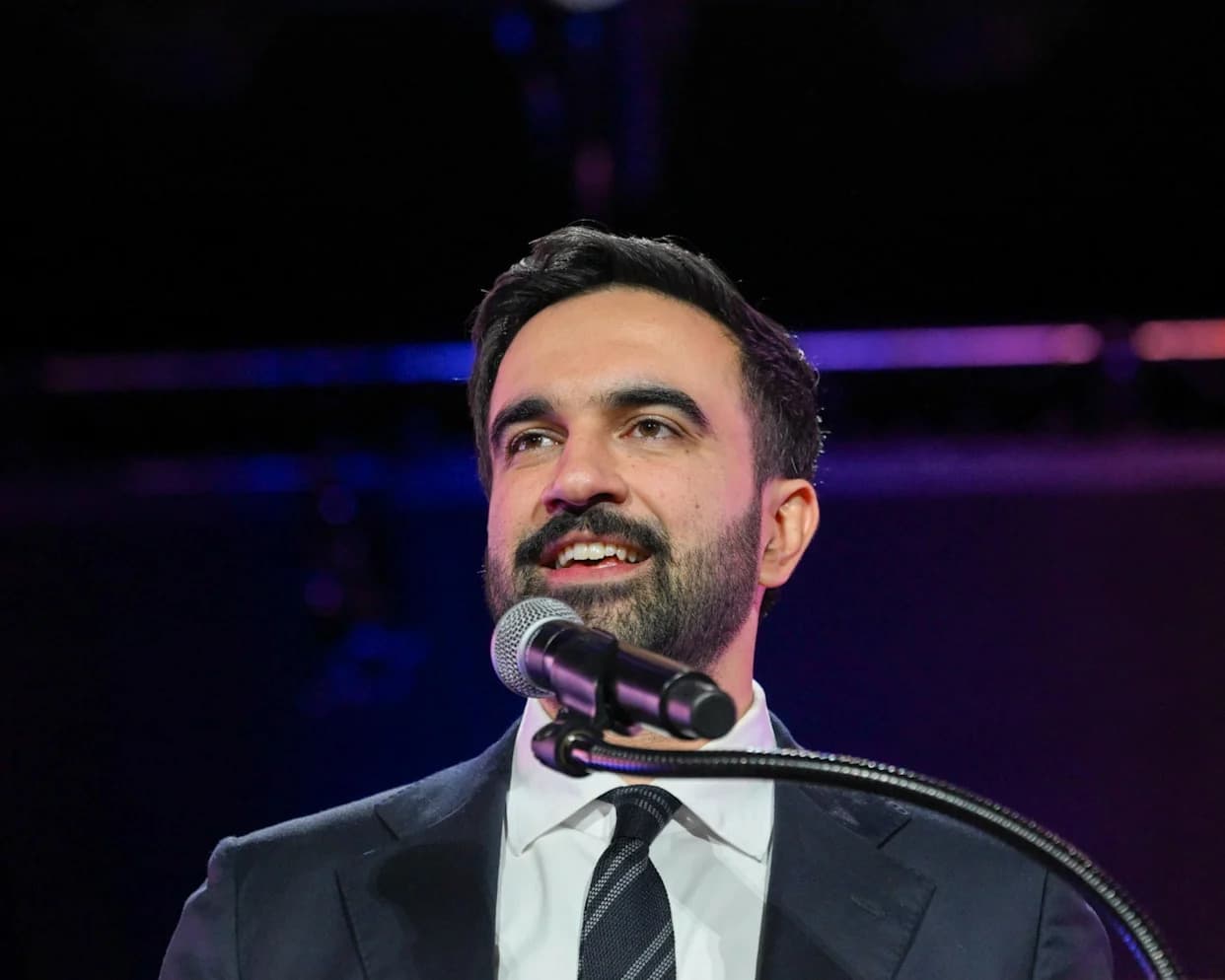
The Oval Office meeting between President Trump and NYC mayor-elect Zohran Mamdani was unexpectedly cordial, defying expectations of a public confrontation. That civility could ease national tensions and buy New York City short-term protection from federal pressures on immigration, National Guard deployment, or funding. Politically, the encounter weakens GOP attempts to brand Mamdani as an extreme threat while boosting his influence among Democrats. The détente may be fragile if either side pursues actions that provoke the other.
Unexpected Civility in the Oval Office: What Trump and Mamdani’s Cordial Meeting Means

Few expected the Oval Office meeting between President Donald Trump and New York City mayor-elect Zohran Mamdani to be anything but a public confrontation. Trump had previously called Mamdani a “communist lunatic,” and Mamdani has described Trump as a “despot” who must be opposed. Instead, the exchange was notably cordial — an outcome that matters beyond the sound bites.
The calm encounter — described by some commentators as surprisingly warm — offered a rare de-escalation in a political climate marked by intense polarization and periodic violence. By choosing a measured public exchange instead of a public blowup, both men temporarily lowered the temperature in a country that sorely needs respite from constant partisan warfare.
Practical implications for New York: Mamdani framed the meeting as the possibility of a “productive” working relationship with the White House. That posture could yield short-term benefits for New York City, including a reduced likelihood of immediate federal retaliation on issues the president has raised publicly: immigration enforcement operations, National Guard deployments, or threats to withhold federal funds.
Political ripples for Republicans: The visit complicated efforts by some Republicans to cast Mamdani as an extreme threat. Representative Elise Stefanik had sought to link Governor Kathy Hochul to what she described as Mamdani’s far-left agenda. Trump’s measured, even complimentary, public remarks about elements of Mamdani’s platform undercut that line of attack and removed an easy talking point for GOP candidates hoping to make Mamdani a bogeyman.
Boost for Mamdani within Democrats: The meeting also elevated Mamdani’s standing inside his party at a moment when he is already starting to wield local influence — intervening in primary dynamics and aligning behind preferred candidates. His willingness to meet the president openly, rather than avoid the optics, contrasts with other Democratic leaders who have tried to sidestep such encounters.
How durable is the détente? That remains uncertain. If Mamdani pursues policies that directly antagonize the president — for example, instructing local law enforcement to limit cooperation with federal immigration authorities or taking high-profile stances on international matters — the truce could quickly fray. Trump’s record of abrupt turnarounds with erstwhile allies is a reminder that cordial public moments can be short-lived.
Both men speak to populist constituencies in their own ways, so it is difficult to determine whether the meeting was genuine conciliation or strategic theater. What is clear, however, is that for the moment they chose restraint over spectacle — a choice that, even temporarily, serves the public interest by reducing immediate partisan escalation.
About the writer: Douglas E. Schoen is a political consultant who served as an adviser to President Clinton and to Michael Bloomberg’s 2020 presidential campaign. He is the author of The End of Democracy? Russia and China on the Rise and America in Retreat.
Help us improve.