Polling stations opened on Sunday at 7:00 a.m. local time (13:00 GMT) for a 10-hour voting period as Hondurans choose a new president in a race dominated by mutual accusations of fraud.
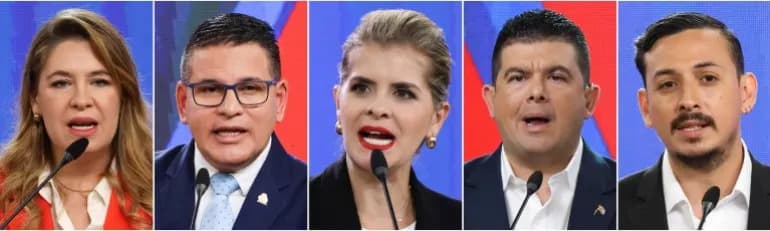
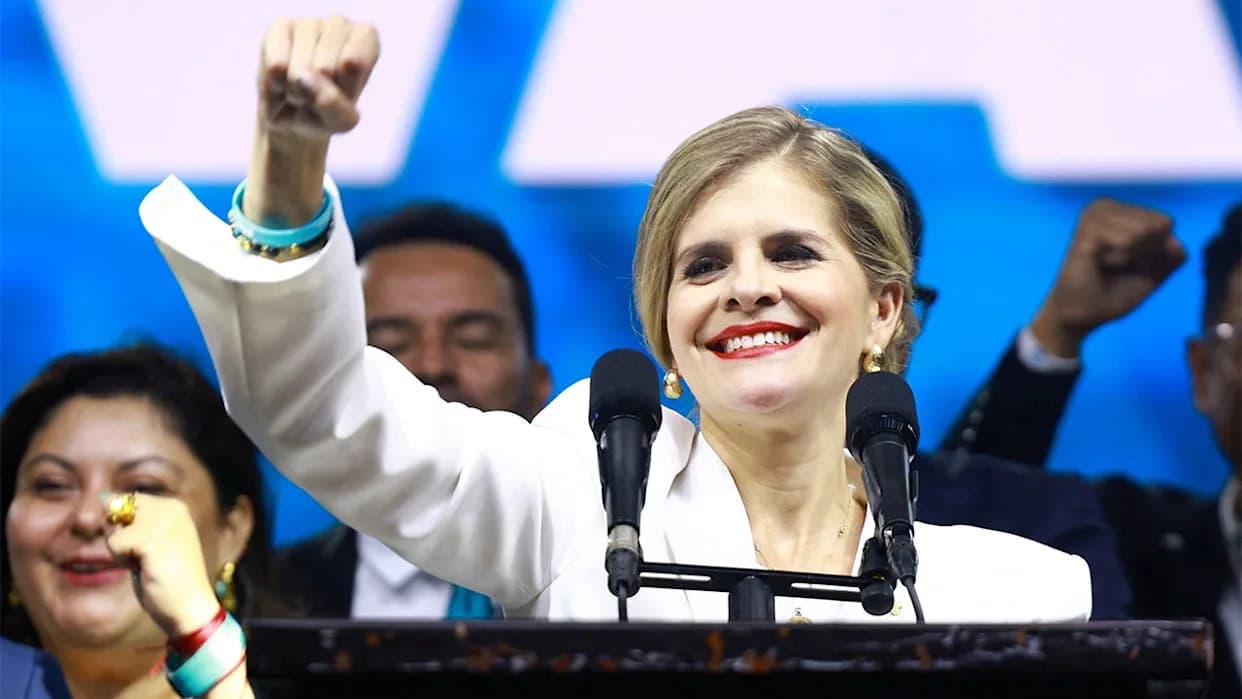
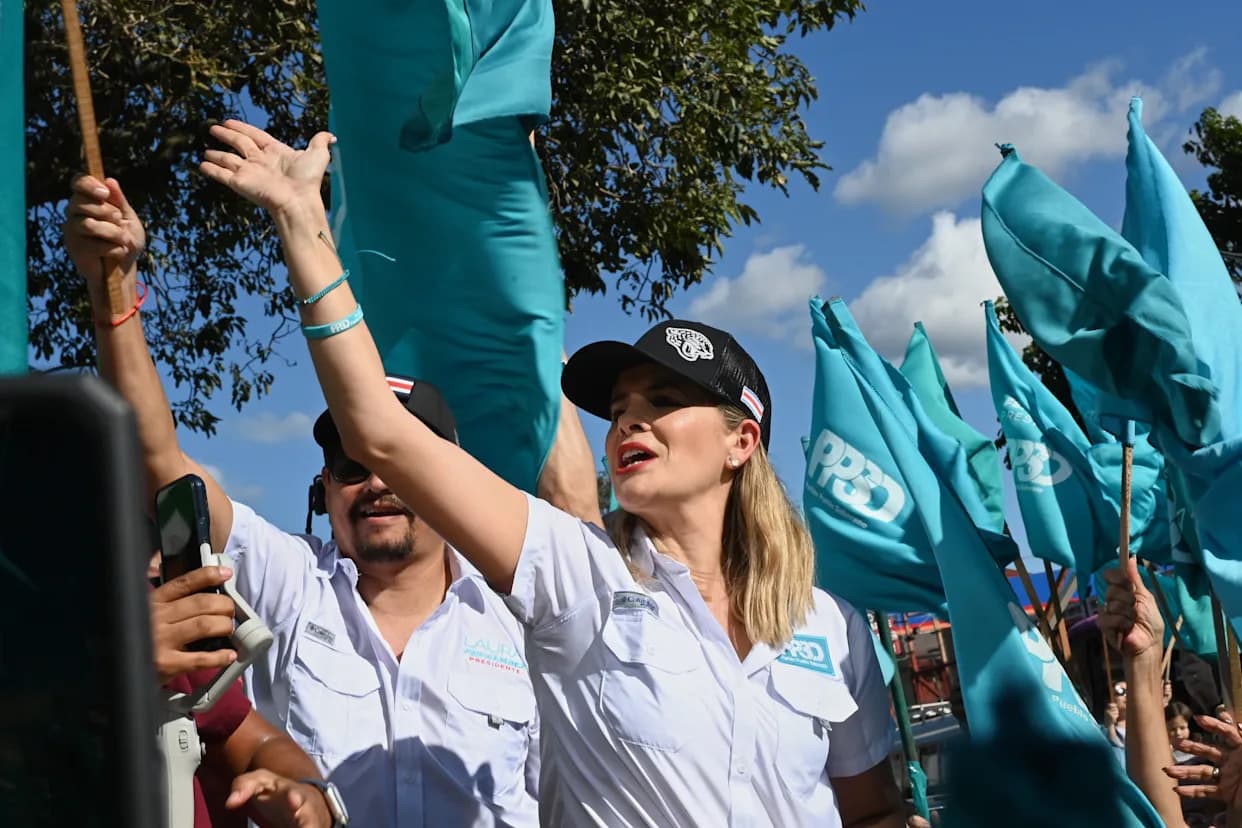
Most polls show a near tie among three leading contenders: Rixi Moncada (former defence minister, Liberty and Refoundation — LIBRE), Nasry Asfura (former Tegucigalpa mayor, National Party) and Salvador Nasralla (television presenter, Liberal Party). Officials expect initial vote counts to begin to emerge late on Sunday night.
The ballot also includes elections for 128 members of Congress, hundreds of mayors and thousands of local officials. The campaign has been highly polarised, with the top contenders accusing one another of plotting to manipulate the outcome; Moncada has indicated she may refuse to recognise official results if she believes they were altered.
Honduras's Attorney General's Office, viewed as close to the ruling party, has accused opposition actors of planning voter fraud — allegations the targeted parties deny. Prosecutors have opened an inquiry into audio recordings that allegedly capture a senior National Party figure speaking with an unidentified military officer about influencing the vote. The National Party says the recordings were fabricated with artificial intelligence, but the clips have become central to public debate and to Moncada's campaign messaging.
Logistical problems, including delays in delivering voting materials, and rising public scepticism toward electoral authorities have intensified concerns about the integrity of the process. 'We are hoping that there will be no fraud and that the elections will be peaceful,' said Jennifer Lopez, a 22-year-old law student in Tegucigalpa. 'This would be a huge step forward for democracy in our country.'
About 6.5 million registered Hondurans will decide whether to continue elements of the outgoing administration's left-wing social and economic agenda or to shift toward the conservative priorities offered by the National and Liberal parties. Incumbent President Xiomara Castro (LIBRE) is barred by law from seeking immediate re-election.
Castro — the first woman to lead Honduras — increased public investment and social spending during her term; the economy recorded moderate growth and both poverty and inequality have fallen from previous highs, though they remain substantial. The International Monetary Fund has praised the government's cautious fiscal management. Homicide rates have declined to recent lows, but violence and insecurity remain persistent challenges.
International observers have voiced alarm about the political climate. The Organization of American States urged Honduran authorities to ensure elections free from intimidation and interference, and US officials warned they would respond decisively to actions that undermine the vote. US President Donald Trump publicly endorsed Asfura on social media, saying the United States would not keep supporting Honduras if he did not win.
The election occurs against the backdrop of deep poverty — roughly six in 10 Hondurans live below the poverty line — and a history of political turmoil dating back to the 2009 ouster of then-president Manuel Zelaya, husband of the current president. Observers at home and abroad will be watching closely as results begin to arrive and as authorities manage any disputes that emerge.