Swamp Sweep is a monthslong Border Patrol operation deploying about 250 agents across southeast Louisiana and parts of Mississippi, centered in New Orleans and aiming to arrest up to 5,000 people. Led by Commander Gregory Bovino, the campaign follows other high-profile urban sweeps that drew criticism for aggressive tactics. Tension is high as state laws push local agencies toward cooperation with federal authorities while community groups mobilize legal help and rights trainings.
‘Swamp Sweep’ Begins: Border Patrol Sends 250 Agents to New Orleans Area, Aiming to Arrest Up to 5,000

Federal Border Patrol agents — roughly 250 officers — have launched a monthslong immigration enforcement operation called “Swamp Sweep” across southeast Louisiana and parts of Mississippi. Centered on New Orleans, the campaign is expected to aim for as many as 5,000 arrests and will be led by Border Patrol Commander Gregory Bovino, who has overseen similar high-profile operations in other major U.S. cities.
Why this operation draws concern
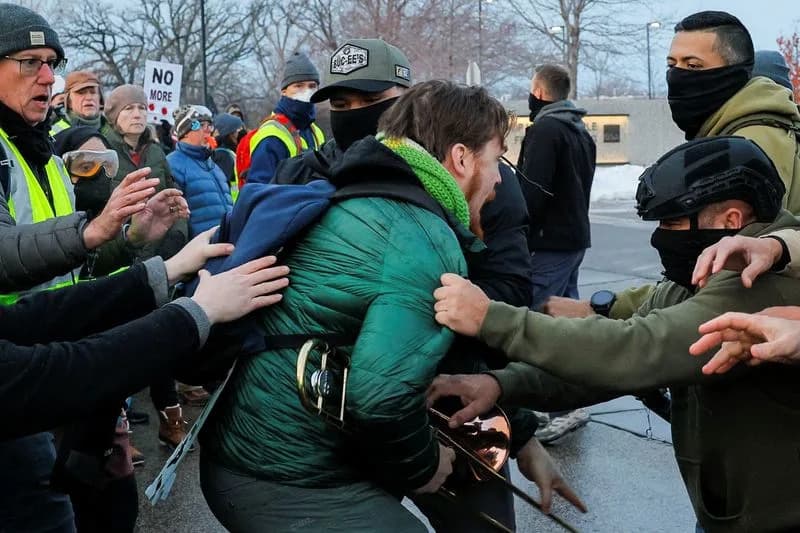
Residents and advocacy groups have expressed anxiety, particularly in Latino neighborhoods, since news of the deployment became public. Critics point to previous tactics used under Bovino’s command — including aggressive crowd-control measures during urban operations — and to lawsuits alleging heavy-handed behavior. A federal judge in Chicago recently rebuked Bovino and said he misled the court over the use of chemical irritants against demonstrators; Bovino has defended the operations as necessary to improve public safety.
Border Patrol’s approach in cities
Border Patrol historically focuses on border regions and transit corridors, not dense urban centers. Operations in cities have included visible, militarized tactics that civil-rights advocates say are inappropriate for neighborhoods and protests. Federal data show that during a recent surge in Chicago agents arrested more than 600 immigrants, but only a small share had criminal records indicating a high public-safety risk.
State vs. city: laws and enforcement
The U.S. Department of Justice has flagged New Orleans as a jurisdiction that does not generally cooperate with federal immigration detainers. New Orleans’ jail is under longstanding federal oversight and the local police department typically treats immigration matters as civil issues, limiting routine cooperation with federal immigration authorities.
At the state level, Louisiana’s Republican-controlled Legislature has passed tougher measures intended to compel local compliance with federal immigration enforcement. One law criminalizes knowingly hindering or interfering with federal immigration actions — punishable by fines and up to one year in jail — and lawmakers expanded the definition of malfeasance in office to include refusal to cooperate with agencies such as ICE, carrying penalties of up to 10 years.
How the community is responding
Immigration attorneys report a surge of calls from residents seeking legal advice. Many firms have shifted consultations online or by phone as people avoid in-person visits. Some families are preparing in ways that resemble hurricane readiness — stocking supplies, arranging childcare with trusted contacts and limiting outings.
Grassroots groups and businesses have organized rights trainings, information workshops and posted notices barring agents from private premises. Local leaders warn the operation could harm tourism, a central part of the region’s economy, and deepen fear among immigrant and mixed-status families.
Context and numbers
New Orleans’ foreign-born population is relatively small: about 6.7% of the city’s nearly 400,000 residents (rising to nearly 10% in surrounding metro areas), below the national average of 14.3%. The city’s Hispanic population grew notably after Hurricane Katrina and now represents about 14% of residents. The Pew Research Center estimates roughly 110,000 immigrants without lawful permanent status lived in Louisiana in 2023, about 2.4% of the state’s population, with many from Honduras.
“We’re finding and arresting illegal aliens, making these communities safer for the Americans who live there,” Commander Gregory Bovino wrote on X in defense of the operations.
This operation comes as Republican Louisiana Governor Jeff Landry publicly welcomed the federal deployment. Local advocates, legal aid groups and residents continue to prepare and monitor developments, offering legal resources and documenting enforcement activity.
Reporting: Santana and Cline.
Help us improve.