Pope Leo XIV’s prayer service at Istanbul’s Armenian Apostolic Cathedral signaled solidarity with Christian minorities and offered subtle support for Turkish–Armenian rapprochement. The visit recalled the unresolved legacy of the 1915 killings, an event many historians call genocide but which Turkey disputes. Arriving amid tentative normalization talks begun in 2021 and ongoing regional tensions involving Azerbaijan, the pope’s low-key approach emphasized pastoral outreach and quiet diplomacy.
Pope Leo XIV Prays at Istanbul’s Armenian Cathedral — A Quiet Boost to Turkey–Armenia Rapprochement

Pope Leo XIV led prayers on Sunday at the Armenian Apostolic Cathedral in Istanbul, offering a visible show of solidarity with Christian minorities and a discreet endorsement of efforts to mend relations between Turkey and Armenia.
Symbolic visit, sensitive history
The visit carries strong ecumenical symbolism and touches on the unresolved legacy of the 1915 killings in the Ottoman Empire, when an estimated 1.5 million Armenians died through massacres, deportations and forced marches. Many historians classify those events as genocide; the Turkish government rejects that characterization and attributes the deaths to wartime upheaval and civil conflict.
Balancing continuity and caution
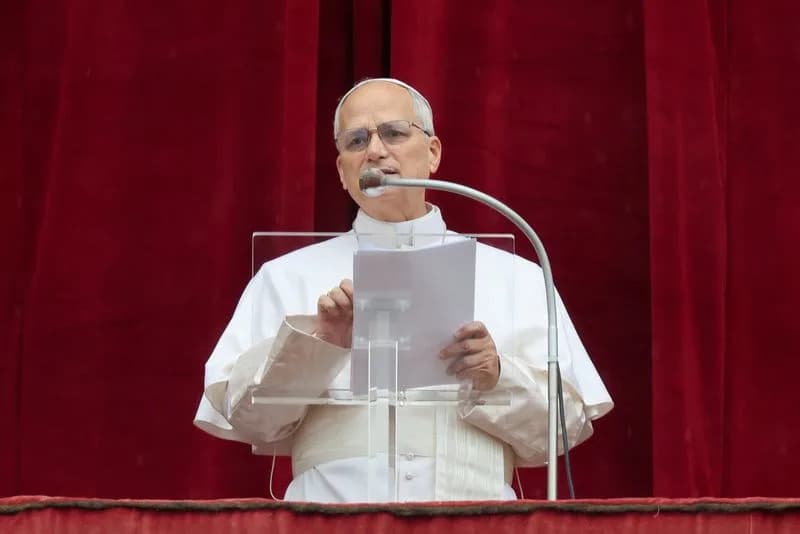
While Pope Francis took more direct language on Armenian suffering during his papacy, Leo has adopted a more measured tone in his first months. At the Istanbul liturgy he said,
“This visit provides me with the opportunity to thank God for the courageous Christian witness of the Armenian people throughout history, often amid tragic circumstances.”
Diplomatic context
The visit comes as Ankara and Yerevan tentatively pursue normalization. The two countries closed their border in the 1990s and have no formal diplomatic relations, but they agreed in 2021 to explore reopening ties and appointed envoys to negotiate steps toward reconciliation. Those talks run in parallel with attempts to ease the rivalries between Armenia and Azerbaijan, a close Turkish ally.
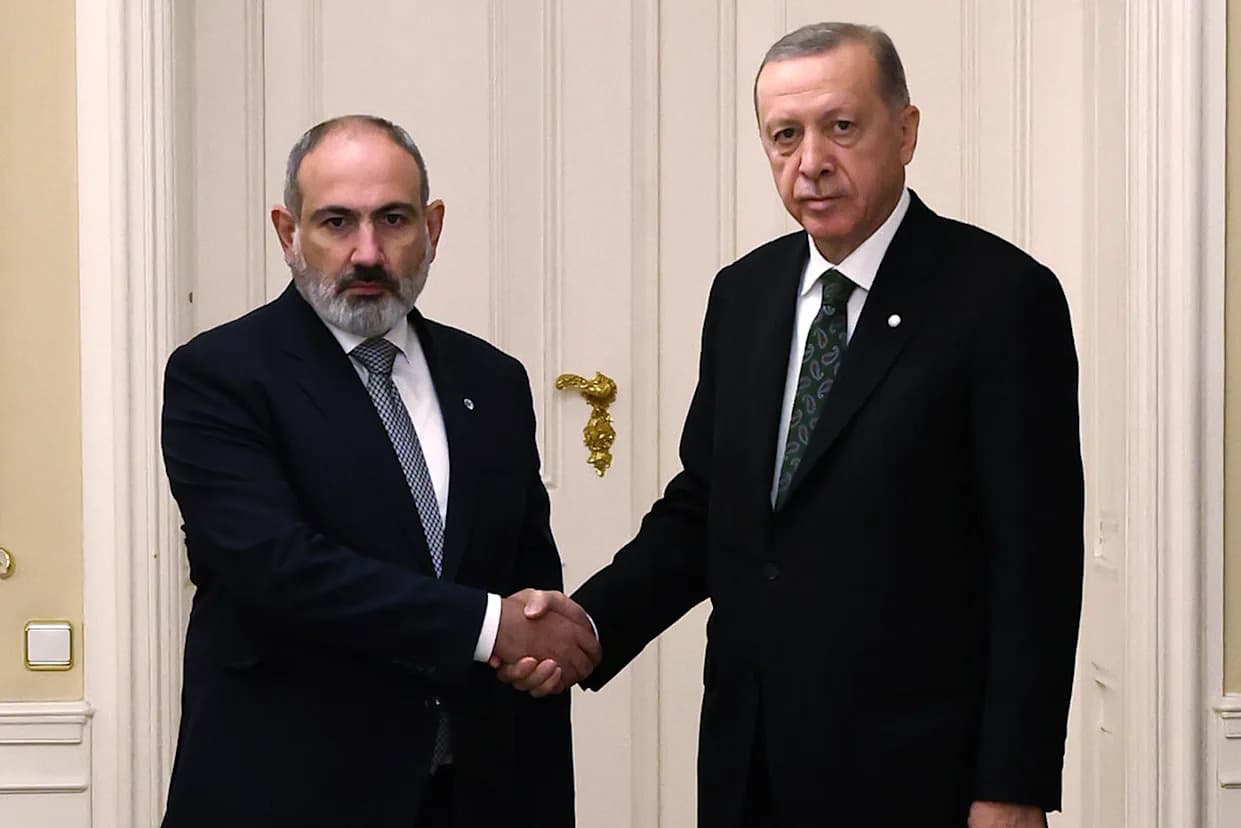
Turkey supported Azerbaijan during the 2020 fighting over Nagorno-Karabakh, a conflict that reshaped the region and continues to influence Armenian–Turkish diplomacy. Armenian Prime Minister Nikol Pashinyan visited Ankara in June for talks with President Recep Tayyip Erdoğan; he later said that seeking international recognition of the 1915 events as genocide is not his government’s immediate priority, while affirming that Armenians regard the massacres as an indisputable fact.
At the cathedral
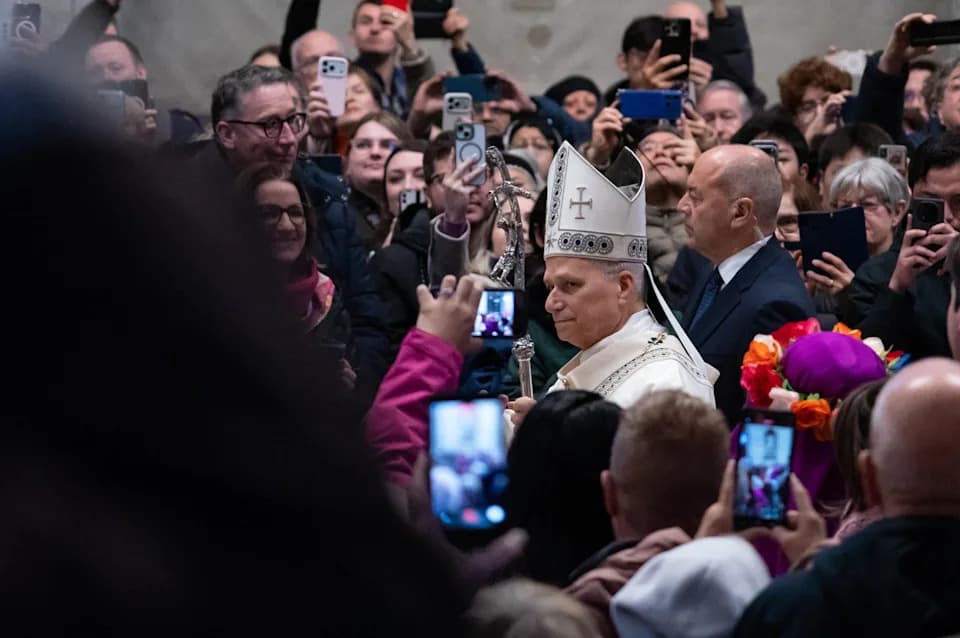
Leo and Istanbul’s Armenian Patriarch Sahak II Mashalian processed into the Holy Mother of God Patriarchal Church amid incense and chanted liturgy, joined by roughly 500 worshippers. After the service the pope unveiled a marble dedication. The liturgy echoed earlier visits by popes Paul VI, John Paul II and Benedict XVI, underscoring a longstanding Vatican relationship with the Armenian community in Istanbul.
Responses and regional tensions
Reactions among Armenians were mixed. Mardik Evadian, an Armenian businessman present at the service, said,
“It is not important today to (say) genocide or not. We are living in this country and we are happy to live here.”Others in Yerevan welcomed the gesture as a moral recognition of Armenian history but were skeptical it would change state policy.
The trip unfolds amid broader tensions in the Caucasus and inside Armenia. A political rift between Prime Minister Pashinyan and the Armenian Apostolic Church spawned large protests in 2024; several clerics were arrested on charges of incitement and plotting to overthrow the government. Separately, the Vatican’s growing ties with Azerbaijan and a recent interfaith cooperation agreement have drawn criticism from some Armenian groups.
Vatican diplomacy
According to analysts, the Holy See has been engaged in discreet diplomacy on humanitarian issues, including efforts to secure the release of Armenian detainees held in Azerbaijan. Armenian officials and media have reported that several Armenians remain detained in Baku.
While the pope did not explicitly press for formal recognition of the 1915 killings as genocide, observers say his visit lends moral weight to reconciliation efforts and highlights the enduring presence and history of Armenian Christians in the region.
Help us improve.