President Trump is promoting falling prescription drug prices as a major achievement and urging Republicans to make affordability a central issue for the 2026 midterms. He credited a "most favored nation" approach and recent agreements with manufacturers including Novo Nordisk, Eli Lilly, AstraZeneca and Pfizer. Polling cited by allies shows strong public support for MFN-style policies, though independent verification of the dramatic price declines the president cited is limited. The administration says the deals will lower costs for patients; critics say long-term impact remains uncertain.
Trump Calls Himself "The Affordability President," Credits MFN Deals for Falling Drug Prices Ahead of 2026
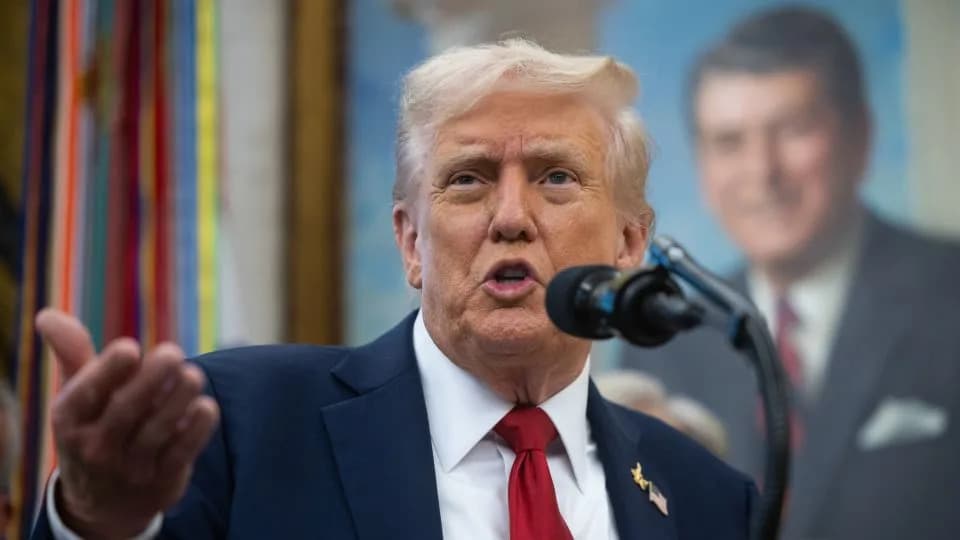
President Trump on Saturday argued that prescription drug prices have fallen under his administration and urged Republicans to make affordability a central message heading into the 2026 midterm elections.
On his platform Truth Social, Trump said he had invoked "FAVORED NATIONS STATUS FOR THE UNITED STATES OF AMERICA" and claimed that "DRUG PRICES ARE FALLING AT LEVELS NEVER SEEN BEFORE, 500%, 600%, 700%, and more." He told supporters this achievement was "done by us, and nobody else," and called the changes "a revolution in medicine, the biggest and most important event, EVER."
"If this story is properly told, we should win the Midterm Elections in RECORD NUMBERS. I AM THE AFFORDABILITY PRESIDENT. TALK LOUDLY AND PROUDLY!"
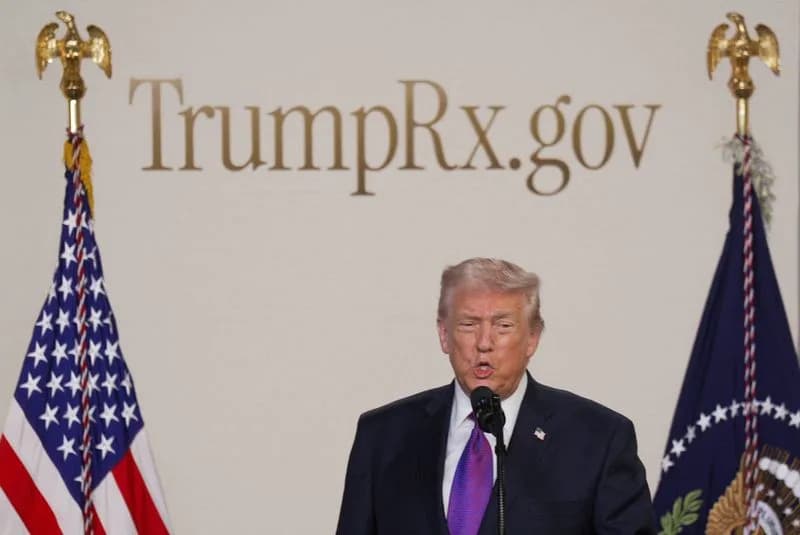
The administration has announced several agreements with drug manufacturers aimed at lowering costs for Americans. Earlier this month, the White House said it had reached deals with Novo Nordisk and Eli Lilly to offer discounted prices on their GLP-1 weight-loss medications. Last month, AstraZeneca pledged to match the lowest prices it charges abroad for medicines provided to Medicaid patients, and the company was reported to be listing many of its products on the administration’s TrumpRx.com portal.
Those commitments were made under an executive order the administration describes as a "most favored nation" (MFN) policy, issued in July. Pfizer was reported to be the first manufacturer to agree to terms under that order in September.
A survey commissioned by the Pharmaceutical Reform Alliance and conducted by National Research Inc. — cited by administration allies — found broad public support for the agenda they described: roughly 86 percent of respondents said they support Trump’s health agenda and would back candidates who include MFN policies, and about 85 percent said prescription drug costs have risen and largely blame pharmaceutical companies.
Trump has repeatedly framed falling prices as evidence that his policies are working and dismissed suggestions that rising costs could harm Republican prospects in 2026, calling those warnings a "con job by the Democrats." He has also pointed to other measures, including grocery or holiday meal prices cited in media reports, to argue that affordability has improved.
Observers note that the large percentage figures Trump cited on social media have not been independently verified in this report; independent analysis and more detailed data will be needed to confirm the scope and permanence of price changes. The administration and the companies involved say their agreements will increase access and lower costs for many patients, while critics argue that long-term effects will depend on implementation and broader market dynamics.
Help us improve.