Key point: The Pentagon opened an inquiry into Sen. Mark Kelly after a video urging troops to refuse unlawful orders prompted criticism and a social media attack from the president. Legal experts say the Defense Department may lack authority to court-martial a retired officer who spoke as a senator, and former JAGs maintain Kelly did not violate the UCMJ. Analysts note a modest rise in prosecutions of retirees but call a successful court-martial over post-retirement political speech unlikely. Separation-of-powers concerns add another legal barrier.
Legal Experts Question Pentagon’s Authority to Investigate Sen. Mark Kelly Over 'Illegal Orders' Video

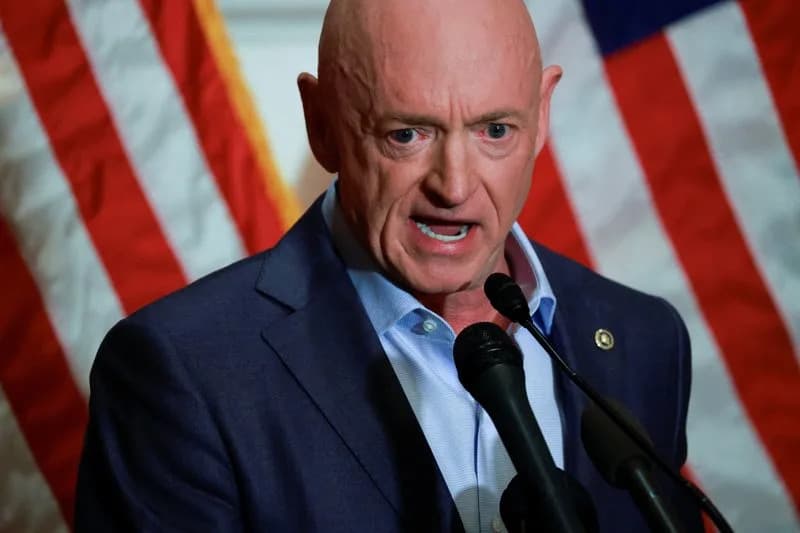
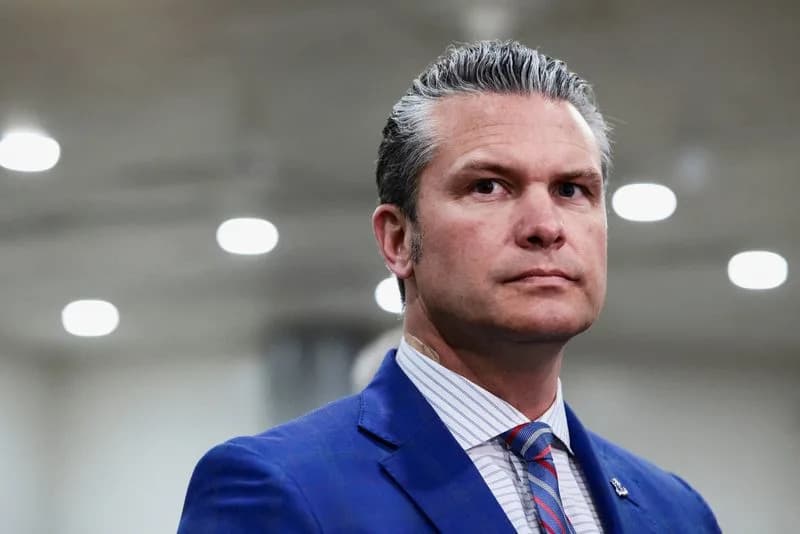
The Defense Department announced an inquiry into Senator Mark Kelly after a video urging U.S. service members to refuse unlawful orders drew sharp criticism and a social media attack from President Donald Trump. Defense Secretary Pete Hegseth said Kelly is under investigation because he is a formally retired Navy officer and therefore, in Hegseth's view, still subject to Pentagon jurisdiction. Kelly called the probe bullying and said it would not deter lawmakers from holding the administration accountable.
Jurisdiction over retirees
Legal scholars note a recent increase in courts-martial of retired service members, but say such prosecutions remain unusual and often raise difficult constitutional and jurisdictional questions. Georgetown law professor Stephen Vladeck said courts have seen "a significant uptick" in cases involving retirees over the past decade, and estimates there have been roughly a dozen across the services. A Congressional Research Service report estimates about 2 million people receive military retirement pay, typically after 20 years of active duty.
Todd Huntley, a retired Navy captain and former JAG who now directs Georgetown's national security law program, said it is rare to prosecute retirees for conduct that occurred after retirement but not unheard of. He recalled prosecuting an enlisted man who had been retired for 16 years because civilian authorities lacked jurisdiction.
Experts say the legal theory is weak
Several former military lawyers argue the Pentagon may be stretching the Uniform Code of Military Justice (UCMJ). Colby Vokey, a civilian military attorney and former prosecutor, said the department may have "personal jurisdiction" over Kelly because he draws retirement pay, but lacks the "subject-matter jurisdiction" to punish speech made in his capacity as an elected senator.
"Assuming every offense a retiree commits after leaving active service is subject to court-martial is kind of a ridiculous conclusion," Vokey said, offering a hypothetical about a 100-year-old World War II veteran facing court-martial for stealing a candy bar.
Patrick McLain, a retired Marine judge and former federal prosecutor, said recalls for prosecution typically involve extreme crimes such as major fraud or child pornography — not post-retirement political speech. The Former JAGs Working Group, a panel of ex-military lawyers, issued a statement saying the video did not violate the UCMJ and "did not suborn mutiny or otherwise encourage military members to disregard or disobey lawful orders issued to them."
Civilian speech and the First Amendment
Charles Dunlap, a Duke law professor and retired Air Force lawyer, noted that military law can limit speech rights for service members, but the question remains whether those limits apply to retirees who are acting as private citizens or elected officials. Michael O'Hanlon of the Brookings Institution said any case against Kelly would likely be dismissed or end in acquittal, adding: "Saying that you shouldn't break the law cannot be a crime. He did it as a civilian."
Separation-of-powers concerns
Constitutional scholars warn that disciplining a sitting senator at the direction of the executive branch raises separation-of-powers issues. Anthony Michael Kreis, a constitutional law professor, said subjecting a United States senator to discipline by the secretary of defense and the president "violates a core principle of legislative independence," and that the Constitution was designed to prevent such executive overreach.
Any effort to court-martial Sen. Kelly would face both legal and political obstacles: contested interpretations of the UCMJ, precedent about recalling retirees for prosecution, First Amendment considerations when the speech was made as an elected official, and separation-of-powers protections for members of Congress.
Help us improve.