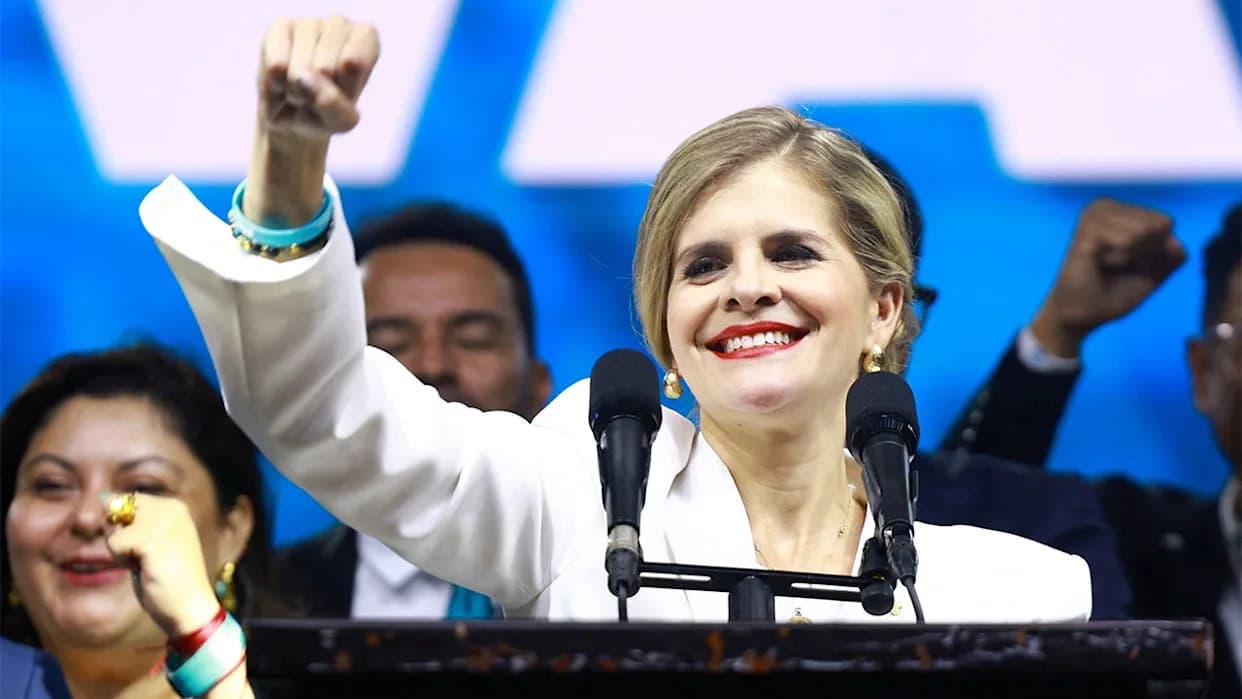
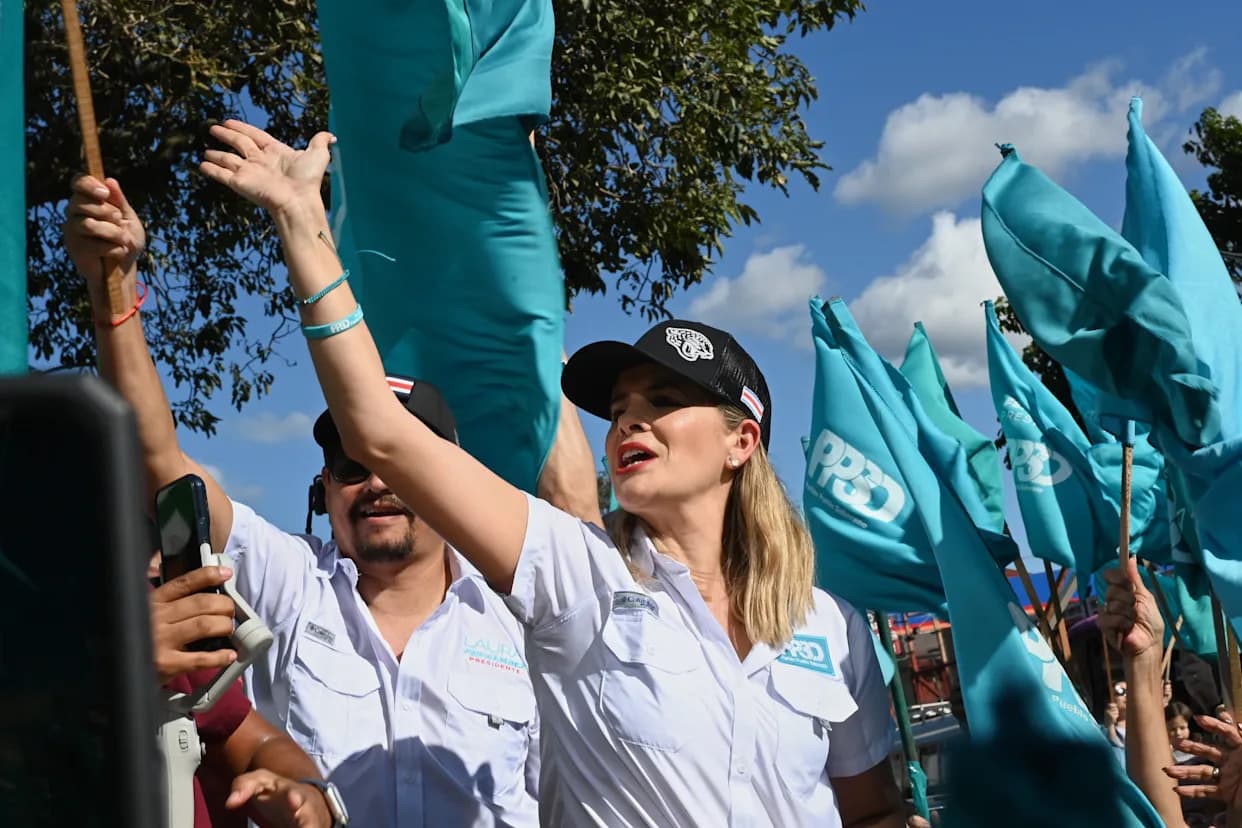
Honduras votes amid a tense, uncertain atmosphere. Leaked audio implicating election officials, a military demand to tally votes and high-profile U.S. interventions have heightened fears of fraud. Three frontrunners — Rixi Moncada (LIBRE), Salvador Nasralla (Liberal) and Nasry "Tito" Asfura (National) — remain neck and neck in conflicting polls. The OAS will deploy 100 observers as the country confronts the legacy of the 2009 coup and widespread public mistrust.
Honduras Votes in Contentious Presidential Race Amid Leaked Audio, Military Pressure and U.S. Interference
Honduras heads to the polls on Sunday in one of the country’s most closely watched presidential elections, weighed down by leaked audio, a military demand to oversee vote counts and public interventions from powerful foreign figures. Those controversies have already fed accusations of planned fraud and raised fears of destabilisation before a single ballot is counted.
Three tight frontrunners
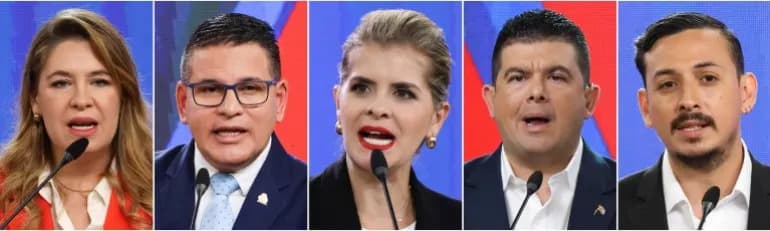
No candidate has established a decisive lead among the five names on the ballot. The race is effectively concentrated among three frontrunners: Rixi Moncada of the leftist LIBRE party, Salvador Nasralla of the centre-right Liberal Party, and Nasry "Tito" Asfura of the conservative National Party. Polling has been erratic, with some surveys showing Nasralla ahead, others putting Moncada in front, and several indicating a virtual tie among the three.
Explosive audio and political fallout
On October 29, Marlon Ochoa, LIBRE's representative on the National Electoral Council (CNE), provided prosecutors with an audio recording that he said captured CNE colleague Cossette Lopez and an unnamed military official discussing plans to "alter the popular vote" and possibly boycott the process. In the recording, Lopez — who represents the National Party on the council — is alleged to have said, "What I am sure of is that the military is on our side."
Attorney General Johel Zelaya has announced an investigation and said the recording is authentic. Those who appear on the tape, including Congressional Deputy Tomas Zambrano, have called the audio fabricated and manipulated with artificial intelligence. Zambrano and Asfura have defended Lopez and described the probe as politically motivated.
Military demands and watchdog warnings
Adding to tensions, the head of the armed forces, Roosevelt Hernandez, demanded that the military be allowed to conduct its own tally of election results. Ana Paola Hall, president of the CNE and a Liberal Party member, called the request "interference." Human Rights Watch and other observers warned that the military has no legitimate authority to access, count, transmit or review electoral results, and described any attempt to involve the armed forces in the tabulation as a serious threat to the electoral process.
Foreign pressure and rhetoric from the United States
International interventions have intensified the climate of mistrust. Former U.S. President Donald Trump used his Truth Social platform to endorse Asfura and portray Moncada and Nasralla as aligned with Venezuelan President Nicolás Maduro. Trump warned that a Moncada victory would hand Honduras to "Maduro and his narco-terrorists" and called Nasralla a "borderline Communist." Florida Congresswoman María Elvira Salazar has publicly accused Moncada of being in Maduro's pocket, arguing her victory would push Honduras toward socialism.
Some Honduran observers believe elements of the U.S. rhetoric are coordinated with domestic right-wing actors. Activists warn that such interventions risk inflaming tensions and undermining confidence in the vote.
Historical context: the 2009 coup and legacy of mistrust
Memories of the 2009 coup that ousted President Manuel "Mel" Zelaya continue to shape political fears. Zelaya was forced into exile amid a constitutional crisis and military intervention; the episode left a lasting imprint on Honduran politics and contributed to a long-running narrative of electoral fraud and institutional weakness. Outgoing President Xiomara Castro has compared current events to past efforts to subvert the popular will, warning of a "criminal conspiracy aimed at staging an electoral coup."
Voices from the streets
Activists and academics describe a tense calm across the country. "Obviously, there's a fear of violence or a coup," said Daniel Valladares, an activist and history professor at the National Autonomous University of Honduras. "But it's a fear we've always had." Other activists say business elites and media campaigns are trying to block a LIBRE return to power, while critics warn that allegations of fraud are part of a longer pattern of political interference and manipulation.
Observers and next steps
The Organization of American States has announced a 100-member observer mission for the vote and urged election officials to carry out their duties "in accordance with the law, free from interference and undue pressure of any political actor." As Hondurans cast ballots, the country faces a moment that will test the resilience of its institutions and the public's trust in democratic procedures.
Help us improve.