Juliette Kayyem, a national security analyst and columnist, said a high-visibility National Guard deployment to Washington, D.C., was a political stunt that exposed service members to risk. Her column connected the deployment to a shooting that wounded two Guardsmen—one of whom later died—and cited commanders' warnings about public-facing assignments. The piece prompted strong backlash from conservatives and a rebuke from the White House, while officials continue investigating the attack and operational practices.
Writer Draws Fire for Saying Trump’s D.C. National Guard Deployment Endangered Troops

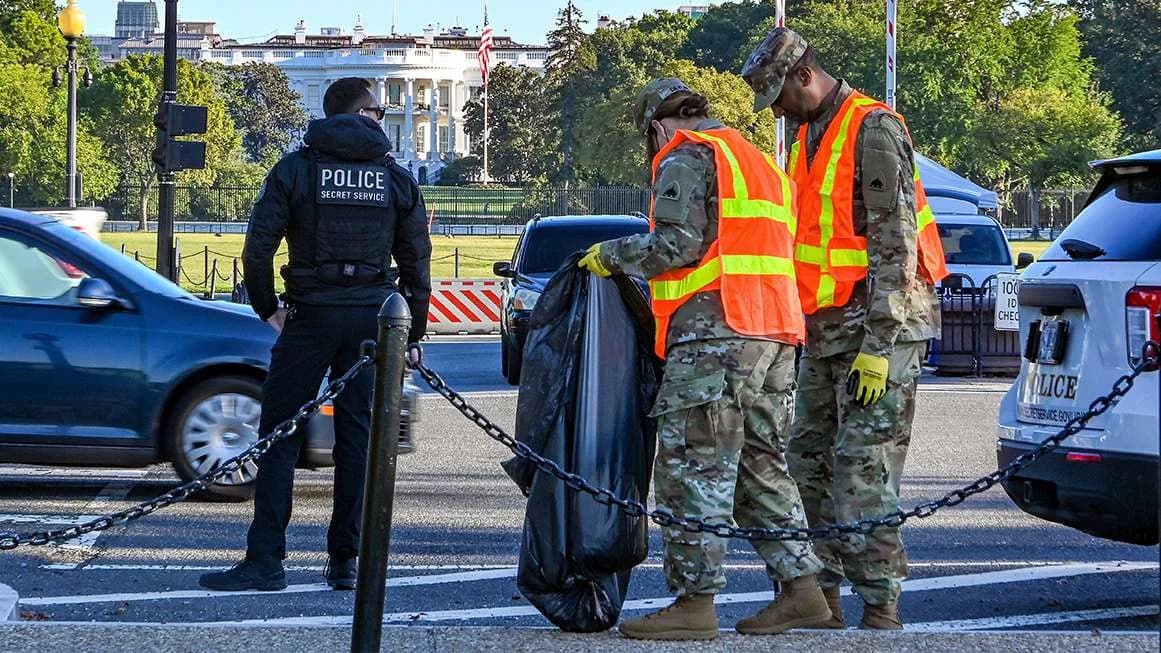
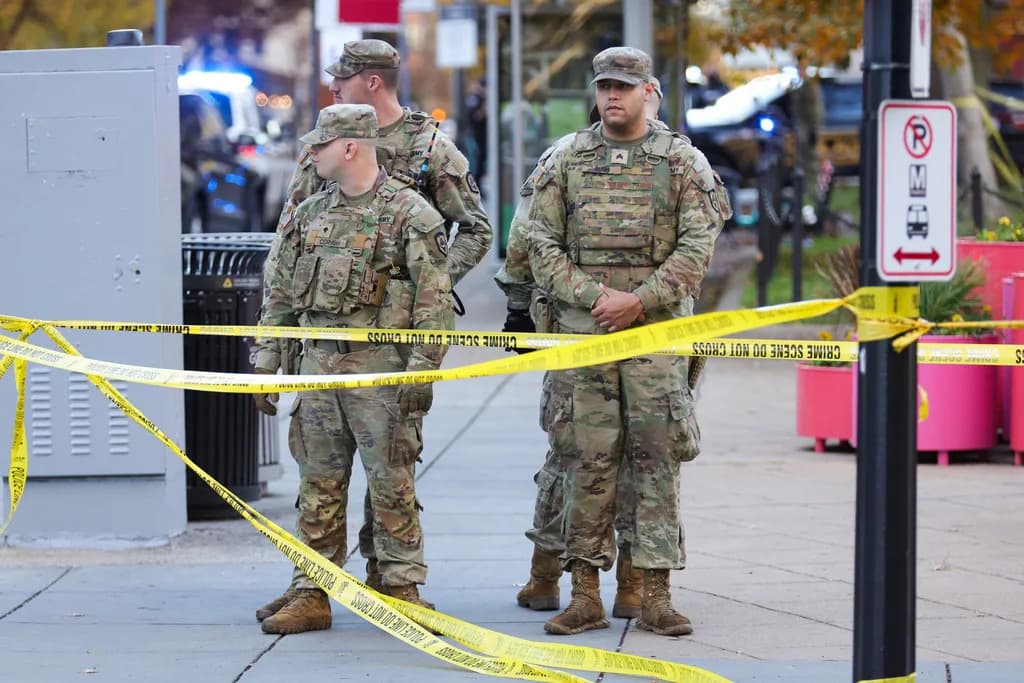
Juliette Kayyem, a contributing columnist and national security analyst, drew intense criticism after arguing that the recent deployment of National Guard troops to Washington, D.C., was a political maneuver that put service members at risk. Her column linked the high-visibility mission to Wednesday’s shooting of two Guardsmen near the White House, one of whom later died.
What happened
Authorities say 29-year-old Afghan national Rahmanullah Lakanwal allegedly shot National Guard members Sarah Beckstrom and Andrew Wolfe just blocks from the White House in a reportedly targeted attack. Beckstrom succumbed to her injuries on Thanksgiving Day. Wolfe remains hospitalized and is receiving treatment. Lakanwal was taken into custody after being wounded by other Guard members and is recovering under custodial care.
Column arguments
Kayyem argued the deployment was largely performative and warned that such public-facing assignments carry real dangers. "There are costs to performatively deploying members of the military — one of which is the risk of endangering them," she wrote, noting that many Guardsmen assigned to the mission were not trained for law enforcement duties and spent much of their time on visible, non-specialized tasks.
She cited military leaders' concerns — contained in a commanders' memo referenced in court filings over the D.C. mission — that high-visibility assignments could expose troops to unnecessary risk. Kayyem also criticized the operation’s planning and oversight, saying deployments lacked a clear mandate, measurable goals, defined rules of engagement, and consistent operating procedures, and that morale among part-time soldiers had suffered.
Public and political reaction
The column prompted swift backlash from conservative commentators and public figures who called the argument insensitive or inaccurate. Critics argued the Guard’s presence helped reduce violent crime and likely limited the attacker’s ability to inflict greater harm by enabling a rapid response.
Others described Kayyem’s piece as blaming victims rather than focusing on the assailant. Some responses were strongly worded, reflecting the polarized nature of the debate around troop deployments and public safety in the capital.
White House response
White House spokesperson Abigail Jackson condemned the column and blamed broader immigration and border policies for allowing dangerous individuals into the country. She said the administration is working to remove criminal threats and urged political opponents to join in efforts to protect the public.
Status and next steps
Officials continue to investigate the incident and review both the circumstances of the attack and operational decisions around Guard deployments in the capital. The shooting has reignited discussion about the proper use of military forces in domestic settings, the training and protection of service members assigned to civil duties, and the political context surrounding visible troop deployments.
Help us improve.