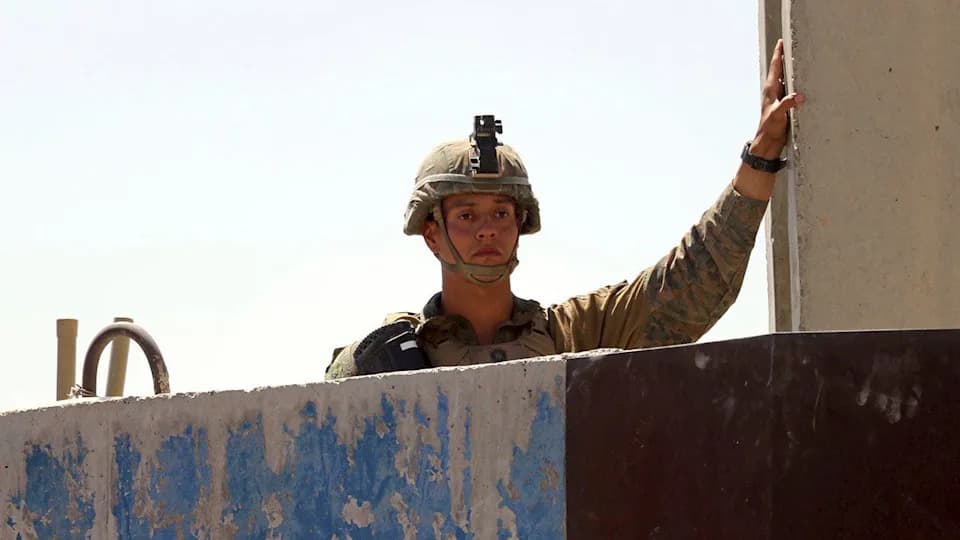
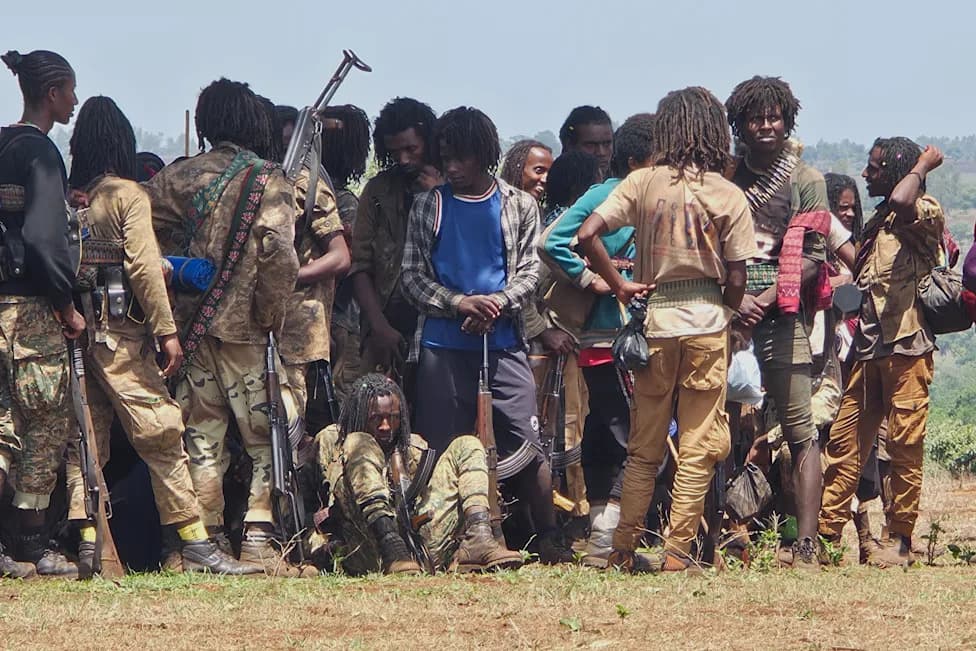
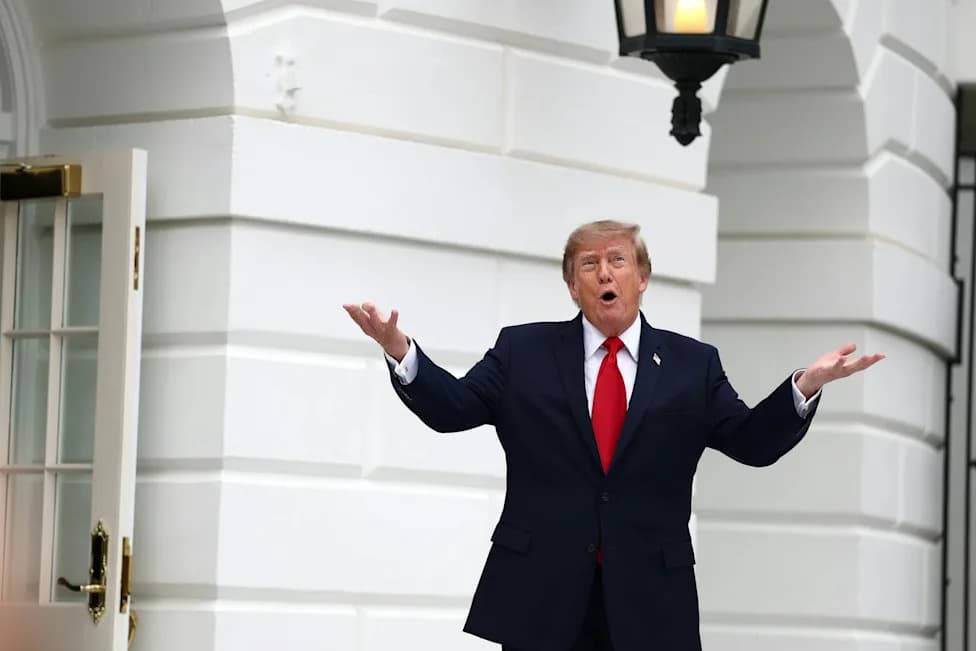
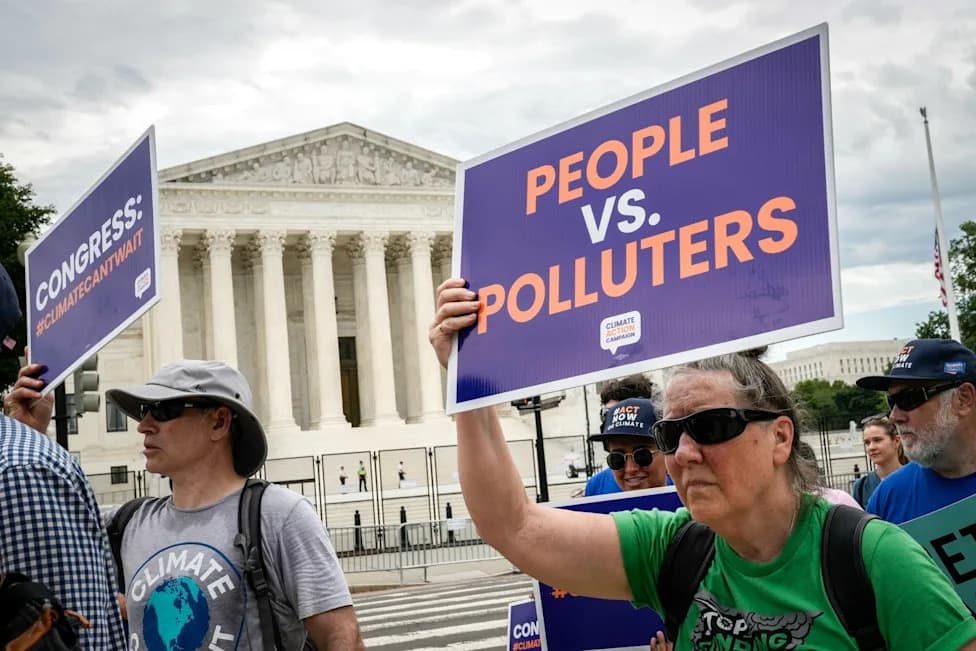
The identification of 29-year-old Rahmanullah Lakanwal as the primary suspect in a Washington shooting has revived scrutiny of the 2021 Kabul evacuation. Sources and lawmakers previously alleged that some Afghan evacuees had wide freedom of movement on U.S. bases and occasionally left before vetting was complete, sometimes in rideshare vehicles. Officials defended rapid evacuation efforts and said vetting continued after arrival, while critics warn gaps in oversight posed security risks. Lawmakers and inspectors later raised concerns about accountability and documentation during the operation.
Washington Shooting Reignites Scrutiny of 2021 Kabul Evacuation After Reports Evacuees Left U.S. Bases Unvetted

The recent shooting in Washington that wounded two West Virginia National Guardsmen and later claimed the life of Spc. Sarah Beckstrom has renewed attention on the chaotic U.S. withdrawal from Kabul in 2021. Authorities have identified 29-year-old Rahmanullah Lakanwal — originally from Afghanistan and once associated with a CIA-affiliated team that fought the Taliban — as the primary suspect in the attack.
Conservative commentator Laura Ingraham and several lawmakers have pointed to earlier reports that some Afghan evacuees on U.S. military installations were not fully vetted before being moved to the United States. Those reports alleged that evacuees at facilities such as Fort Pickett and Fort McCoy had unusually broad freedom of movement, with some reportedly leaving bases in rideshare vehicles before background checks and visa processing were complete.
Rep. Mark Green of Tennessee told commentators at the time that a source at Fort Pickett alleged evacuees "basically have free rein of the complex and have even been allowed to leave, despite not having completed the vetting process." The same letter referenced allegations including multiple sexual-assault claims and reports that some evacuees were picked up by Uber drivers without permission or clearance from authorities.
"We focused on getting as many people out as fast as we could, while the airport was functioning," Secretary of State Antony Blinken said during the evacuation, adding that accountings would be completed "on the back end" as people arrived in the United States.
Critics seized on that characterization to argue that pre-entry vetting was deprioritized in favor of rapid evacuation. Supporters of the administration noted officials were managing an unprecedented emergency airlift under time pressure and said vetting continued after arrival, while top officials maintained that only "very few" evacuees had raised cause for concern.
Lawmakers persisted in raising questions about documentation and oversight for months afterward. Rep. Tom Tiffany, R-Wis., said some evacuees at Fort McCoy had not completed the Special Immigrant Visa process and that personnel could leave certain facilities without clear authorization. Oversight officials later described gaps in accountability that posed local and national security concerns.
What remains clear is that the 2021 evacuation created difficult trade-offs between speed and security. The new investigation into the Washington shooting has prompted renewed calls from some elected officials for careful review of past procedures, improved tracking and stronger interagency coordination to ensure future humanitarian evacuations balance urgency with thorough vetting.
Help us improve.