Sudan’s RSF is advancing in Kordofan after a decisive victory in el‑Fasher, threatening key towns such as Babnusa and el‑Obeid and raising the prospect of de facto fragmentation. Analysts warn that control of Kordofan would give the RSF a major economic and military advantage and bring them closer to Khartoum. International mediation has so far failed to halt fighting, and humanitarian access is rapidly deteriorating amid the risk of mass displacement and reprisals.
RSF Offensive in Kordofan Raises Prospect of Sudan Fragmentation and a Humanitarian Catastrophe

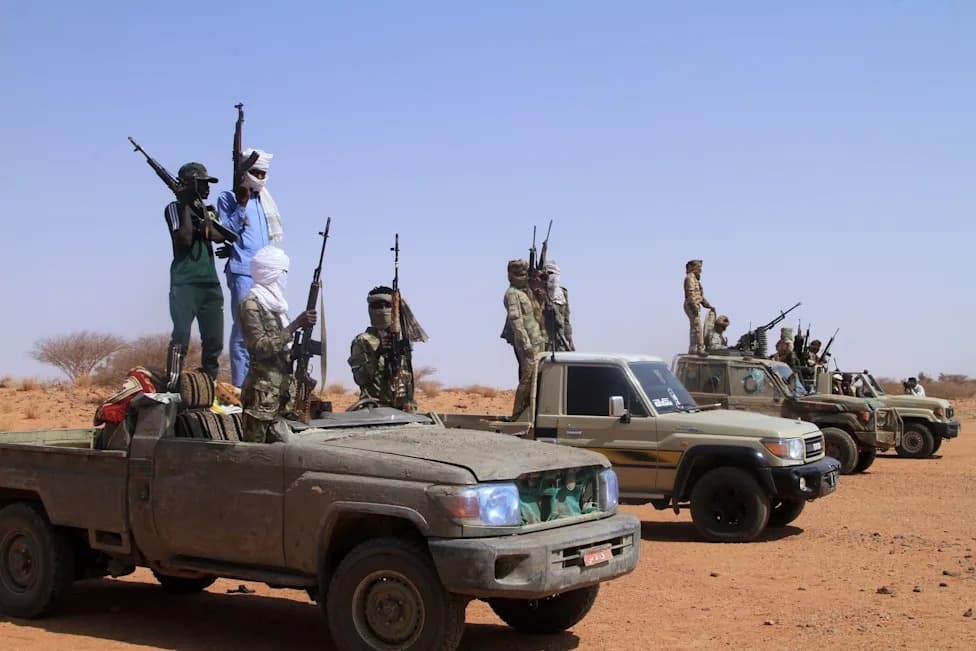
Sudan’s Rapid Support Forces (RSF) are intensifying an offensive in Kordofan, targeting key towns such as Babnusa and el-Obeid. The paramilitary group, accused by observers of serious human rights violations during the war, has gained momentum following its recent victory in el‑Fasher, Darfur — a battle that reportedly killed at least 1,500 people and forced thousands to flee.
At present, Sudanese Armed Forces (SAF) units are still holding Babnusa, a major transport junction linking Darfur with central Sudan. Military analysts warn, however, that sustaining control will be difficult. If Babnusa falls, the RSF would be well positioned to advance on el‑Obeid in North Kordofan, a strategic economic and logistical gateway toward Khartoum.
“The RSF has momentum, which they will carry on through with,” said Dallia Abdelmoniem, a Sudanese political analyst, noting that allied forces already control parts of South Kordofan’s Nuba Mountains.
Analysts say the SAF is stretched thin and faces challenges obtaining reliable new armaments, shifting the balance in favour of the RSF unless the SAF secures comparable weaponry. The RSF’s gains have continued despite international mediation efforts led by regional and global powers, and the RSF’s declaration of a unilateral three‑month ceasefire has not stopped attacks on Babnusa.
Why Kordofan matters
Kordofan is strategically and economically important: it has significant agricultural, livestock, and petroleum resources. Retired Lieutenant Colonel Omar Arbab described the fight as more than territorial — it is a bid to control Sudan’s economic backbone. Securing Babnusa would also enable the RSF to link forces from Darfur to el‑Obeid and mount further operations toward central Sudan.
Observers warn that mediation pressure may have incentivised both sides to seize territory rapidly before any ceasefire freezes current positions. Kholood Khair, founding director of Confluence Advisory, said both sides stockpiled weapons during the rainy season and are now deploying them as terrain and weather conditions become more favorable for offensive operations.
Fragmentation, identity and humanitarian risk
Beyond military gains, the Kordofan campaign is deepening political and ethnic fractures across Sudan. Analysts point to dozens of armed groups that control local areas and to the growing ethnicisation of the conflict, which is shaping recruitment and alliance patterns more than a unified national project.
Some within the SAF may tolerate de facto fragmentation to consolidate control over particular regions, Abdelmoniem warned — but she argued this is strategically unsustainable and risks eroding popular legitimacy. Retired Lt. Col. Arbab cautioned that formal partition remains unlikely given the complex web of alliances, but he conceded that de facto fragmentation is already underway in parts of the country.
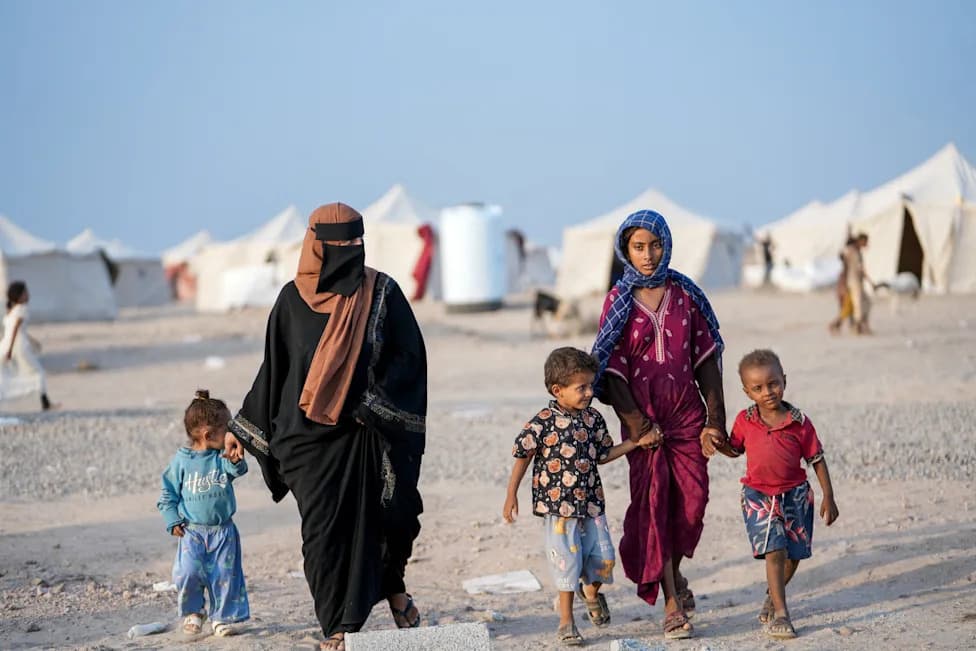
Humanitarian concerns are acute. Observers compare the looming risk in Kordofan to the crisis in Darfur: large-scale atrocities, reprisals, sieges and mass displacement are credible threats. Khair warned that humanitarian access is already highly constrained: neither side appears ready to allow unfettered aid into contested areas, and unlike Darfur, Kordofan lacks open international border routes that could facilitate alternate relief corridors.
International inaction, analysts say, has fostered a climate of impunity. If the RSF continues to advance, the political and humanitarian fallout would be significant — potentially reshaping Sudan’s map and causing widespread civilian suffering.
Help us improve.