The Democratic nomination for 2028 is wide open after the party’s 2024 loss to Donald Trump. Several governors, senators and congressional figures — including Gavin Newsom, Kamala Harris, Pete Buttigieg, Alexandria Ocasio-Cortez, Josh Shapiro, Andy Beshear and Ruben Gallego — are building national profiles but have not declared. Many are touring early states, publishing books and appearing on podcasts as they test viability; the field could change significantly before 2028.
Who Could Lead the Democrats in 2028? Newsom, AOC, Harris and a Crowded Bench

After a decisive defeat to Donald Trump in 2024, the Democratic Party faces an open and uncertain path to the 2028 presidential nomination. No clear front-runner has emerged: governors, senators, members of Congress, a former cabinet secretary and the 2024 nominee are all being discussed as potential contenders. Several of them are boosting national profiles with podcast appearances, book tours and early-state travel — but none has formally declared a campaign, and the field could shift dramatically in the coming years.
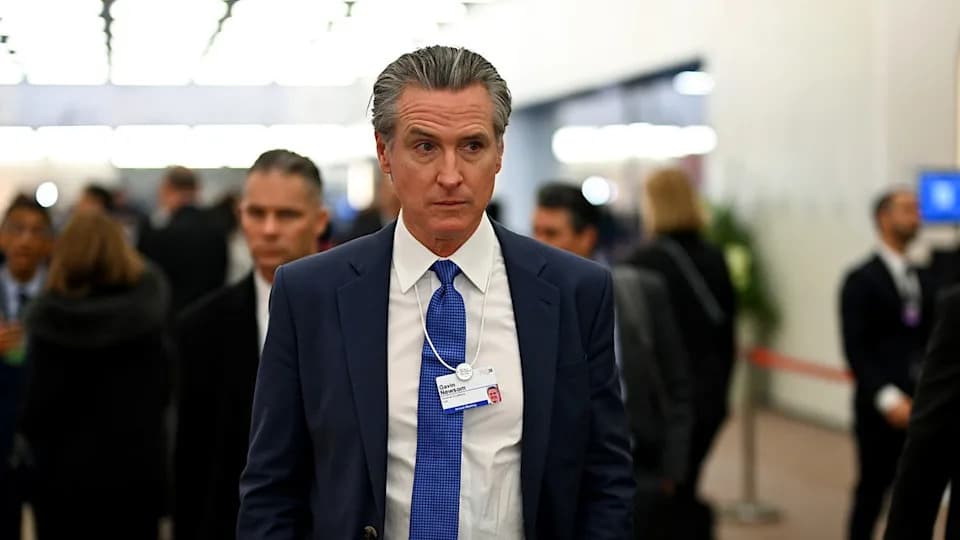
Gavin Newsom — Governor of California
California’s term-limited governor has reasserted himself as a visible foil to former President Trump, clashing with the administration over federal authority, tariffs, climate policy and immigration. His satirical social-media presence and high-profile ballot initiatives have raised his national profile. Preparing for a possible presidential bid, he has launched a podcast, visited early-voting states and unveiled an initiative targeting improved outcomes for young men — a demographic Democrats struggled with in 2024 — while cultivating a progressive-but-pragmatic image. Newsom says he is weighing a run but currently prioritizes helping Democrats retake the House in 2026.
Kamala Harris — Former Vice President and 2024 Nominee
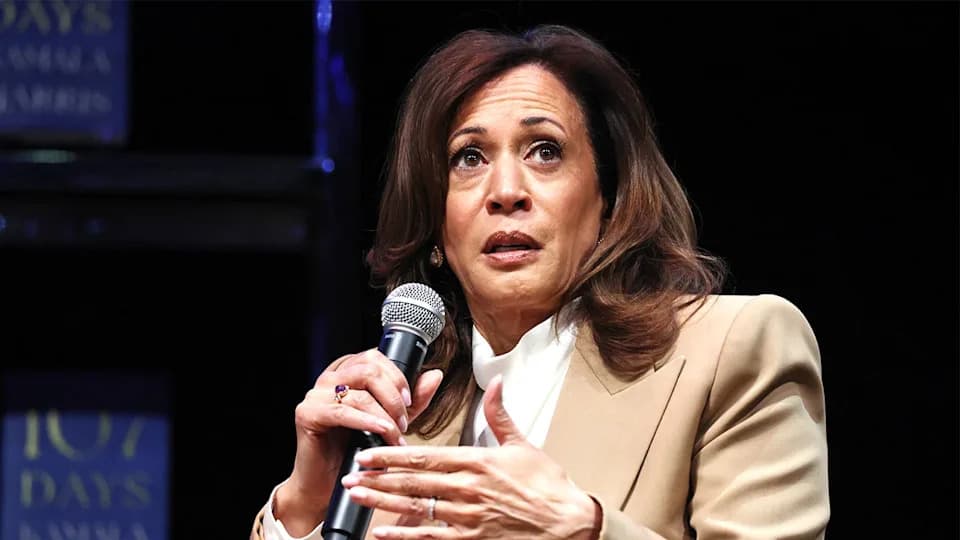
Harris, who unexpectedly became the 2024 Democratic nominee after the incumbent stepped aside, has not ruled out another White House bid. She brings near-universal name recognition, a broad fundraising network and strong support among core Democratic constituencies, especially Black voters and suburban women. Her 2024 loss to Trump and an earlier, unsuccessful 2020 campaign have left some party members skeptical about whether voters would embrace another bid. After serving as the first woman, first African American and first Asian American vice president, she returned to California, published a memoir about her 107-day presidential run and says she is "not done" considering future options.
Pete Buttigieg — Former Transportation Secretary
Buttigieg rose from small-town mayor to national prominence during the 2020 Democratic primary and was later confirmed as the first openly gay cabinet secretary by the Senate. The 43-year-old former transportation secretary and naval intelligence officer has kept a national presence through interviews, town halls and speaking engagements. He could position himself in 2028 as a next-generation problem solver who blends technocratic competence with Midwestern pragmatism.
Alexandria Ocasio-Cortez — Congresswoman from New York
Seven years after a stunning primary upset brought her into the spotlight, AOC remains one of the left’s most energizing voices. The Bronx-born representative emphasizes her Puerto Rican, working-class roots and has used grassroots fundraising to mobilize young voters and support vulnerable House members. If she pursued a presidential bid, she would likely be the youngest candidate in the field; some supporters have also suggested she consider a Senate challenge instead.
Josh Shapiro — Governor of Pennsylvania
Shapiro has cultivated a pragmatic, bipartisan reputation in a key swing state Democrats must win to reclaim the White House. The former attorney general drew national attention for a sweeping clergy sexual abuse investigation and for securing opioid settlements, achievements he carried into the governor’s office. He speaks frequently about his faith and denounces political violence and antisemitism — an emphasis made more personal after an arson attack targeted the governor’s residence during Passover in April 2025.
Andy Beshear — Governor of Kentucky
Beshear has built a profile as a red-state Democrat who can win statewide in conservative regions. He has increased his national visibility with podcast episodes, appearances in early states and regular media interviews. Presenting himself as a pragmatic, mild-mannered Democrat with a populist streak, Beshear emphasizes reaching voters across partisan divides and will play a larger role nationally as chair-elect of the Democratic Governors Association.
Ruben Gallego — Senator from Arizona
A former Marine and long-serving House member, Gallego made history with his 2024 Senate victory and has emphasized his background as the son of immigrants, a combat veteran and a first-generation college graduate. His crossover appeal in a state that also backed Trump in 2024, and his focus on pragmatic immigration policies, have positioned him as a potential candidate who could compete for working-class and Hispanic voters.
Others to watch:
- Illinois Gov. J.B. Pritzker
- Maryland Gov. Wes Moore
- Michigan Gov. Gretchen Whitmer
- Former Minnesota Gov. and VP nominee Tim Walz
- Colorado Gov. Jared Polis
- Former Commerce Secretary Gina Raimondo
- Rahm Emanuel (former chief of staff to President Obama)
- Senators Mark Kelly, Elissa Slotkin, Chris Murphy and Cory Booker
- Reps. Ro Khanna and Jason Crow
- Media personality Stephen A. Smith
The Democratic field for 2028 remains fluid: many potential contenders are raising their national profiles, but political dynamics, primary coalitions and unforeseen events will shape who ultimately runs. For now, the party appears to be searching for candidates who can both energize the base and reclaim working-class and suburban voters needed to win a general election.
Help us improve.