With national news coverage still dominated by President Trump, the early jockeying for the 2028 Democratic nomination has received relatively little attention. Yet the field is quietly taking shape, and two names have emerged as the early front-runners: former Vice President Kamala Harris and California Governor Gavin Newsom.
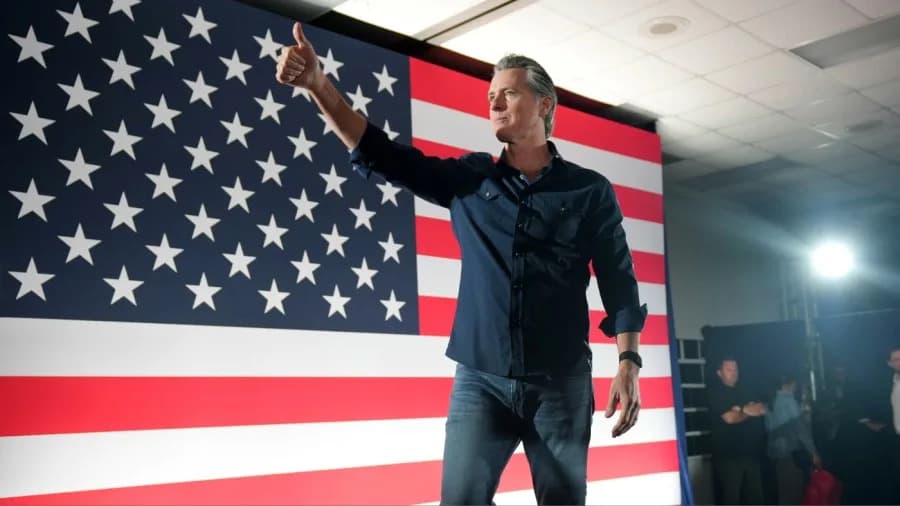
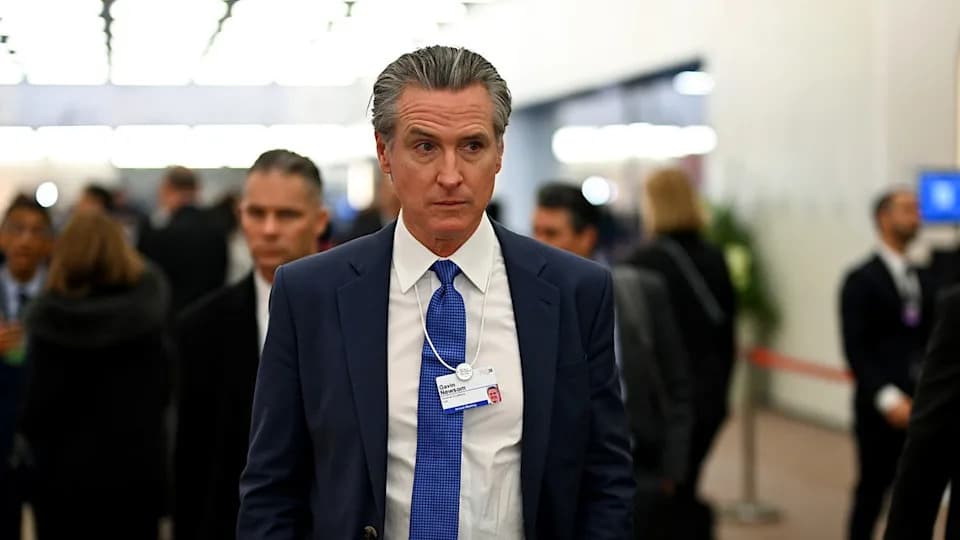
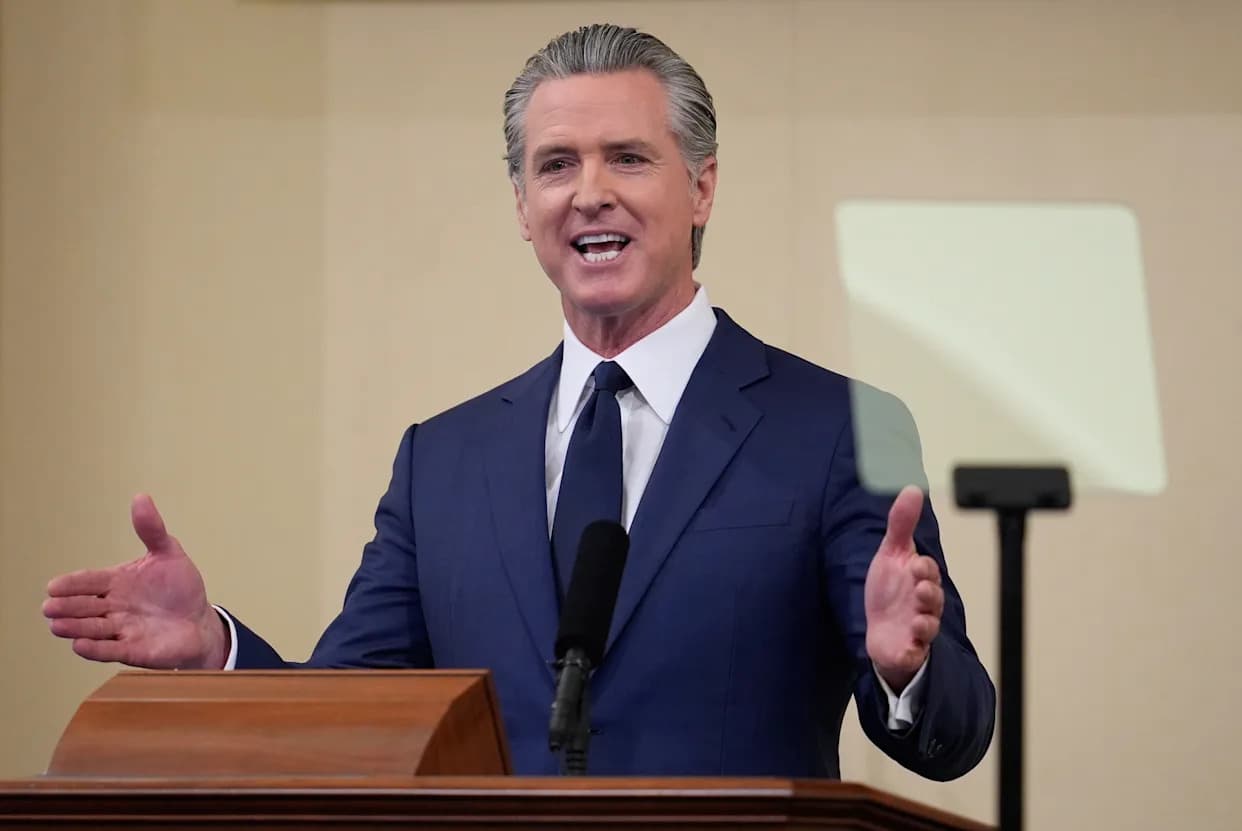
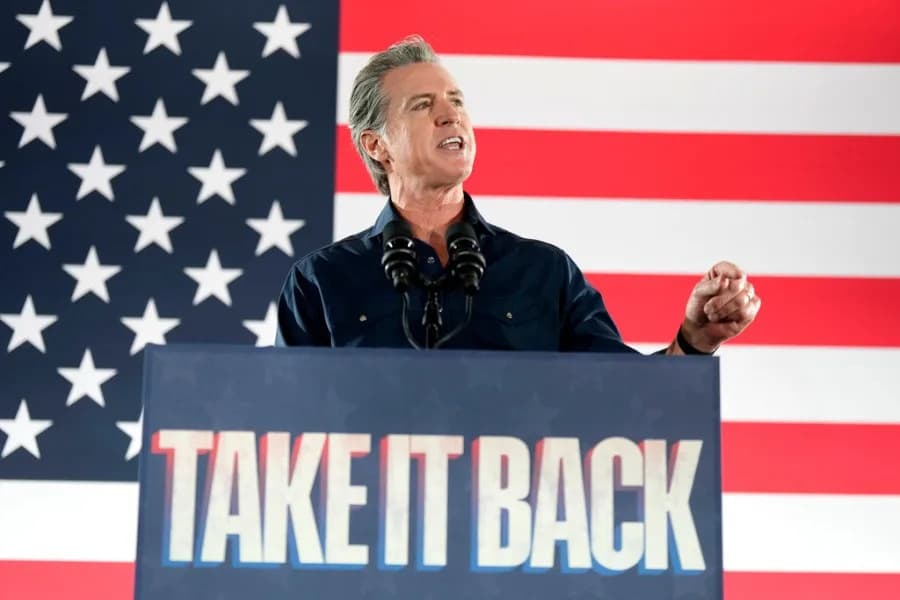
Newsom’s Media Playbook. Newsom has long been comfortable in front of cameras—polished delivery, quick quips and a knack for dominating cultural conversations. His campaign mixes that broadcast savvy with aggressive online provocation, a strategy that has won him warm coverage from many left-leaning outlets and attention from cultural elites.
Polls Favor Harris — Mostly. On most aggregated measures, however, Harris leads. The RealClearPolitics average for the Democratic nomination currently shows Harris about six points ahead of Newsom. Since Labor Day, only two pollsters — Echelon Insights (Republican-leaning) and AtlasIntel — have put Newsom in front; most other surveys show Harris leading by anywhere from a few points to double digits.
What The Crosstabs Show
Publicly available crosstabs provide a clearer view of coalition strengths and weaknesses. A January YouGov early-ballot test of Democrats and Democratic-leaning independents found Harris at 23% and Newsom at 19%. Harris’s edge is concentrated among Black voters (32% to 15%) and young voters (27% to 10% among 18–29-year-olds). By contrast, Newsom performs better with white voters (19% to Harris’s 13%) and dominates seniors (65+) at 30% to 8%.
Other surveys — including Harvard-Harris, Morning Consult, Big Data and Rasmussen — generally show Harris ahead. The Harvard-Harris poll, for example, places Harris at 39% and Newsom at 30% (with Alexandria Ocasio-Cortez further back at 12%). That survey has some methodological quirks, however: it omits Pete Buttigieg from the question and asks all respondents, including Republicans, to name a Democratic nominee.
Perceptions: Electability And Disappointment
Harris’s name recognition is a double-edged sword. When Democrats were asked which hypothetical nominee would most "disappoint" them, Harris topped that list at 18% versus just 7% for Newsom. Independents rated Harris the most disappointing at 34%. On electability, Democrats view Newsom more favorably: 33% named him the most electable against Trump, compared with 19% for Harris; only voters aged 30–44 and Black voters gave Harris the edge on that metric.
Outlier Polls And Volatility. Some polls are clear outliers. AtlasIntel swung sharply from a spring focus on Pete Buttigieg to a pronounced September advantage for Newsom. Echelon has shown Newsom narrowly ahead in two polls, but those results remain exceptions in a landscape where most surveys favor Harris.
What Comes Next
Nearly two years remain before the first Democratic primaries, so fortunes can change. The last major upset of a well-known national figure in a primary came in 2008 when Barack Obama beat better-known rivals — and he did so with a large burst of institutional support. For now, both Harris and Newsom have clear weaknesses that could open a lane for other contenders, but challengers are unlikely to prevail unless one or both frontrunners make major mistakes that significantly narrow the gap.
Bottom Line: Harris leads most polls and holds strengths among Black and younger voters; Newsom benefits from strong media presence, white and older voter support, and higher perceived electability among Democrats. Both are vulnerable, and the nomination fight remains wide open if either stumbles.
Keith Naughton, a longtime Republican political consultant, is co-founder of Silent Majority Strategies and a former Republican campaign consultant in Pennsylvania.